



Does Your Child Avoid Eye Contact? What Parents Should Know
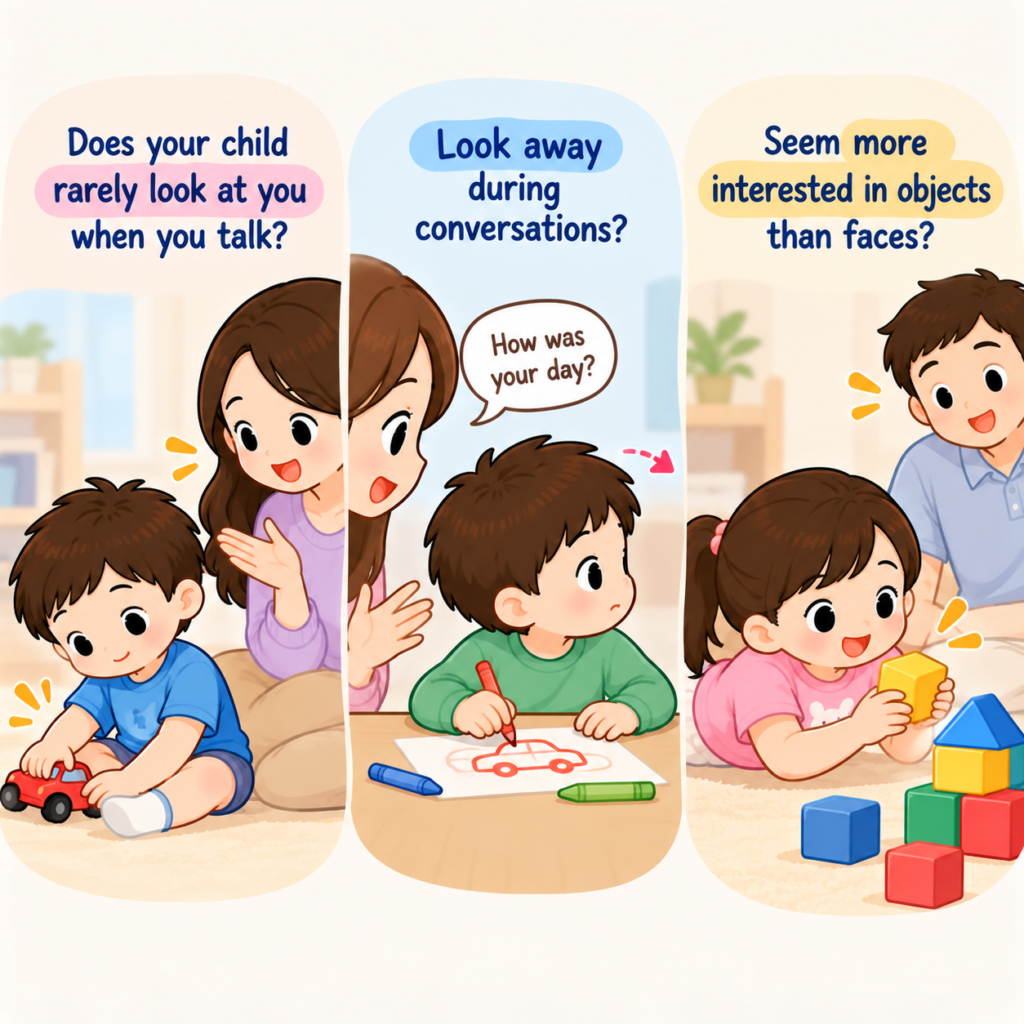
Does Your Child Avoid Eye Contact? What Parents Should Know Does your child rarely look at you when you talk, look away during conversations, or seem more interested in objects than faces? Eye contact is one way children can connect and communicate with others. However, children differ in how much eye contact they naturally use. […]
Picky Eating in Children: What Your Child’s Eating Habits May Be Telling You

Picky eating is common in children, but persistent food refusal or a very limited diet may sometimes point to underlying feeding, sensory, developmental, or nutritional concerns. Learn what your child’s eating habits may be telling you and when parents should consider seeking professional support.
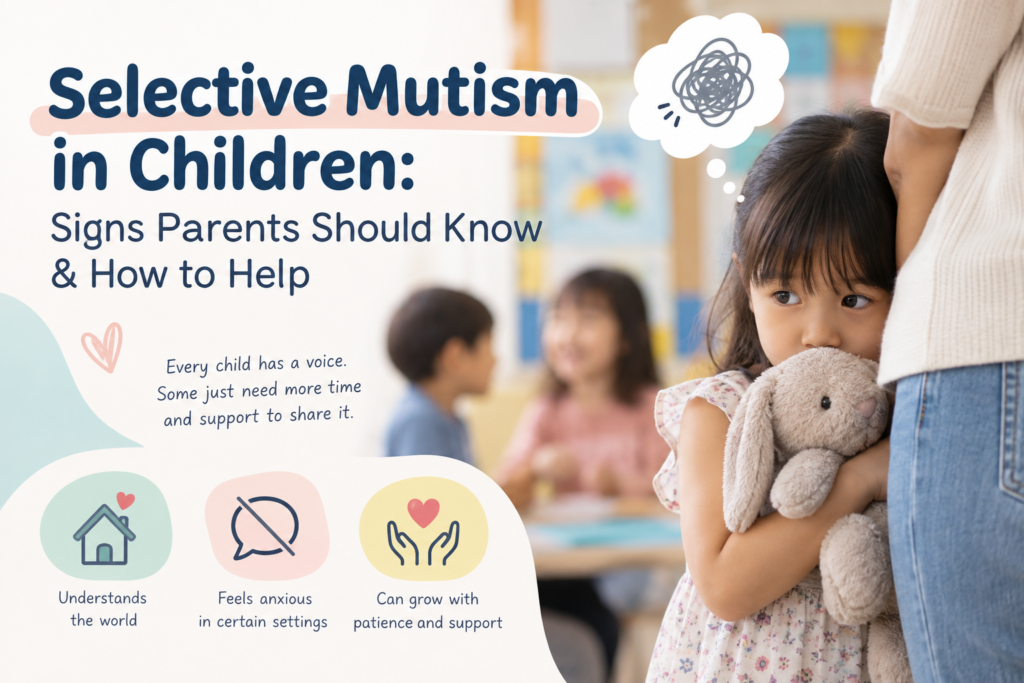
Selective Mutism in Children: Signs Parents Should Know & How to Help
Many children struggle in school at some point, but persistent challenges with reading, writing, or mathematics may reflect more than just a lack of effort or attention. Learning difficulties such as dyslexia, dysgraphia, and dyscalculia can affect how children process and express information, often impacting both academic performance and emotional well-being. In this article, we explore 7 important signs parents should not ignore, and when it may be helpful to seek professional support for a better understanding of a child’s learning needs.
Sleep Problems in Children: Signs of Poor Sleep Parents Should Know

Many children struggle in school at some point, but persistent challenges with reading, writing, or mathematics may reflect more than just a lack of effort or attention. Learning difficulties such as dyslexia, dysgraphia, and dyscalculia can affect how children process and express information, often impacting both academic performance and emotional well-being. In this article, we explore 7 important signs parents should not ignore, and when it may be helpful to seek professional support for a better understanding of a child’s learning needs.
Is Your Child Easily Distracted? Understanding Attention Difficulties in Children
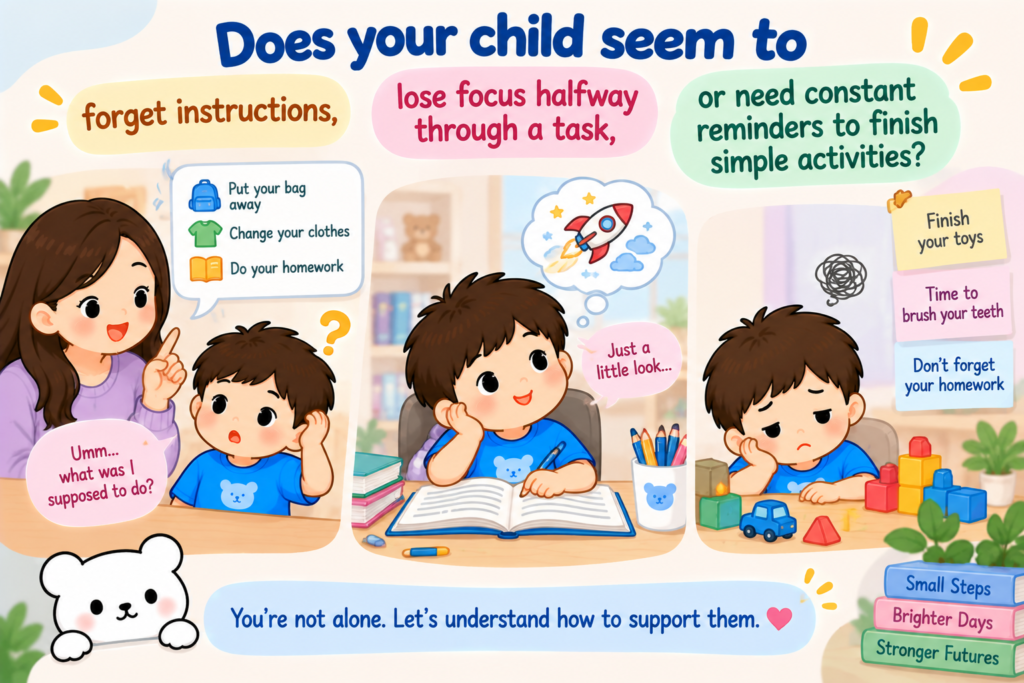
Is Your Child Easily Distracted? Understanding Attention Difficulties in Children Does your child seem to forget instructions, lose focus halfway through a task, or need constant reminders to finish simple activities? Many parents notice that their child seems easily distracted or has difficulty staying focused. They may start their homework but quickly get up, forget […]
Play Therapy for Children: How It Works and Who Can Benefit
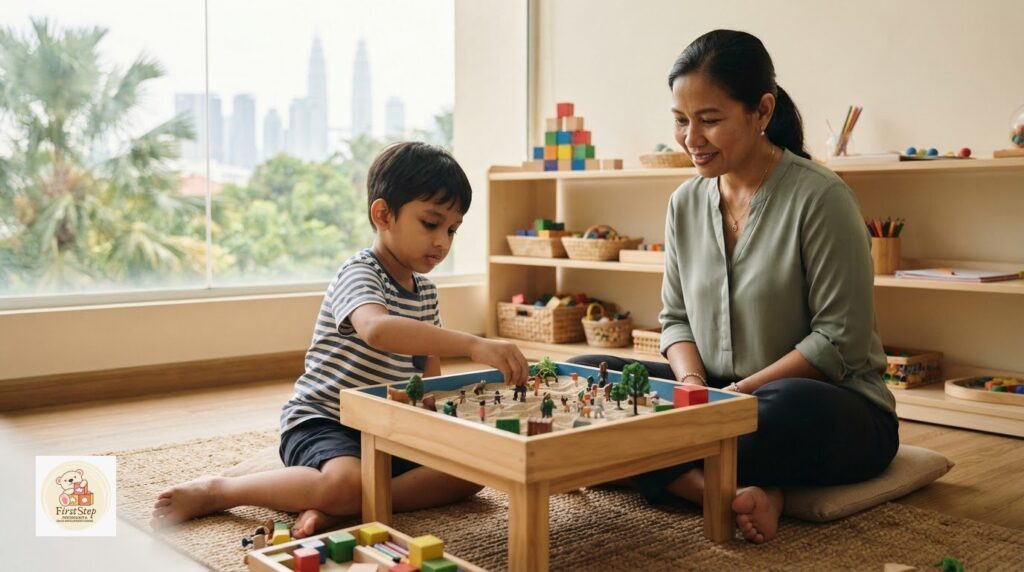
What if the most effective way to help an overwhelmed child isn’t asking them to talk, but inviting them to play? When a young child faces intense…
Reading Comprehension Difficulties: Signs Parents Should Know
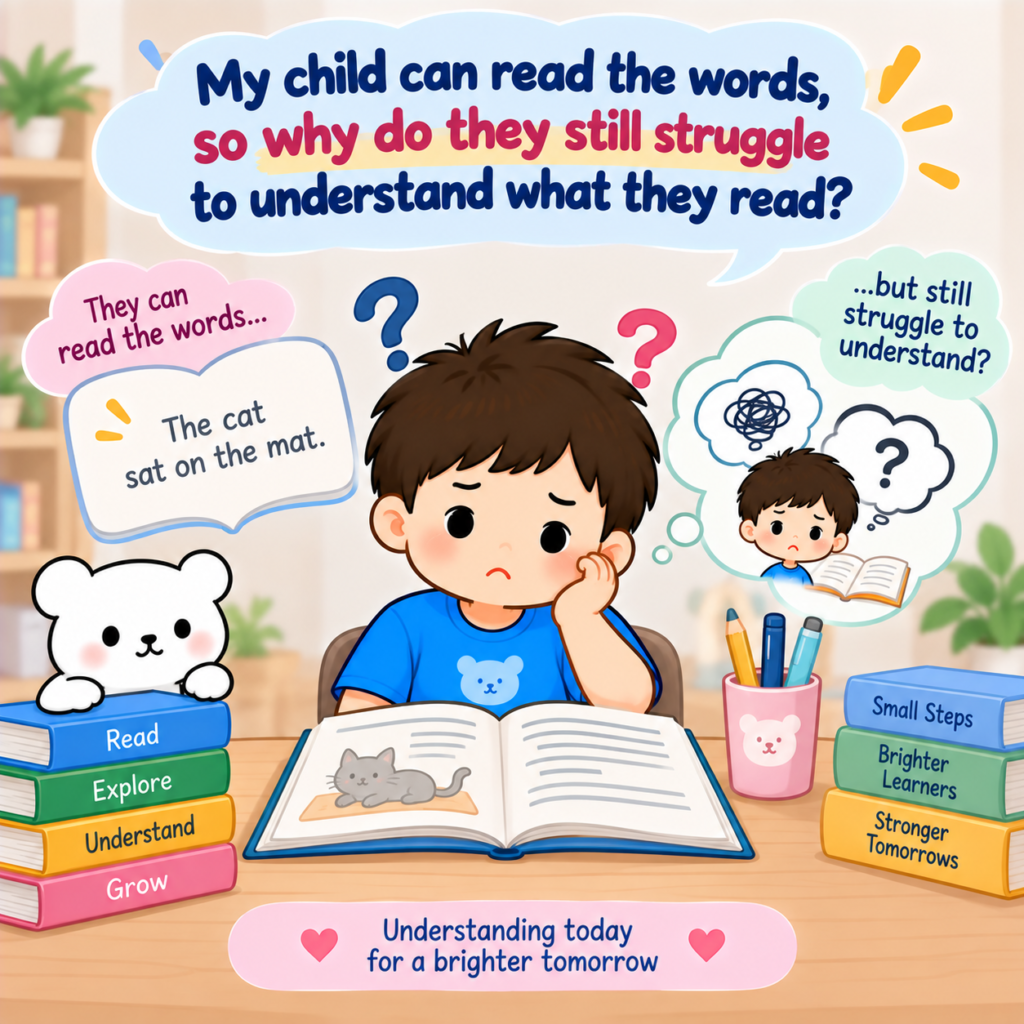
Reading Comprehension Difficulties: Signs Parents Should Know Many parents wonder:“My child can read the words, so why do they still struggle to understand what they read?” Some children may be able to read words accurately but have difficulty understanding, remembering, or making sense of the information in a passage or story. This can sometimes be […]
Why Does My Child Avoid Certain Textures? Understanding Sensory Sensitivities in Children

Many children struggle in school at some point, but persistent challenges with reading, writing, or mathematics may reflect more than just a lack of effort or attention. Learning difficulties such as dyslexia, dysgraphia, and dyscalculia can affect how children process and express information, often impacting both academic performance and emotional well-being. In this article, we explore 7 important signs parents should not ignore, and when it may be helpful to seek professional support for a better understanding of a child’s learning needs.
IQ Assessment for Children in Malaysia: What Parents Should Know

What if an IQ assessment isn’t an academic exam designed to label your child, but a gentle roadmap created to uncover how their mind genuinely works?…
Gross Motor Delay in Children: Signs & When to Seek Help

Watching your child at a playground in Selangor, you might notice they hesitate to climb the frame while their peers move with…