



How video games affect your childrens brain When it helps,when it harms,and how to create healthy screen habits
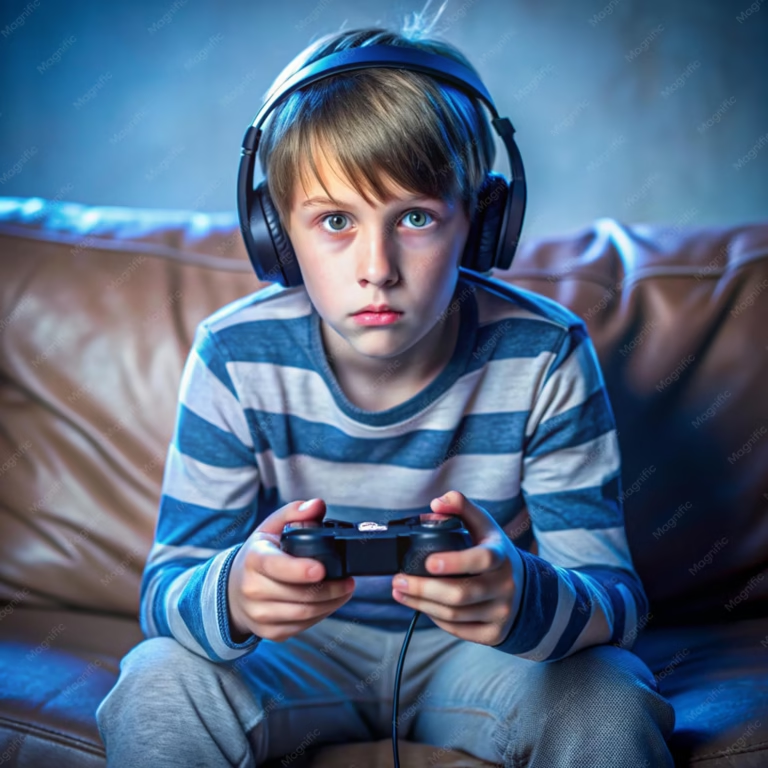
Video games are a major part of modern childhood. Some games can support learning, creativity, teamwork, and problem-solving. Others can contribute to stress, sleep problems, distraction, or unhealthy habits when used without balance.
The effects of gaming depend on:
- The child’s age and personality
- The type of game being played
- How much time is spent gaming
- Whether gaming replaces sleep, exercise, homework, or social interaction
- The level of parental guidance and boundaries
This guide explains both the benefits and the risks of gaming, along with practical ways families can build healthy screen habits.
How Video Games Can Help the Brain

1. Improved Problem-Solving Skills
Many games require players to:
- Think strategically
- Solve puzzles
- Make decisions quickly
- Adapt to changing situations
Games that involve planning, exploration, or resource management can strengthen flexible thinking and reasoning skills.
Examples include:
- Puzzle games
- Strategy games
- Building and simulation games
2. Better Hand-Eye Coordination
Action and sports games often improve:
- Reaction speed
- Visual attention
- Fine motor coordination
Research has shown that fast-paced games can train the brain to process visual information more efficiently.
3. Creativity and Imagination
Sandbox and building games encourage children to:
- Design structures
- Experiment with ideas
- Tell stories
- Express creativity
Some games also introduce coding, engineering, music, or digital art concepts.
4. Social Connection
Multiplayer games can help children:
- Communicate with friends
- Practice teamwork
- Learn cooperation
- Build online communities
For some children, gaming can provide a sense of belonging and confidence.
5. Stress Relief and Emotional Benefits
Gaming can sometimes help children:
- Relax after school
- Feel accomplishment
- Escape temporary stress
- Improve mood in moderation
Short gaming sessions may help reduce stress when balanced with healthy routines.
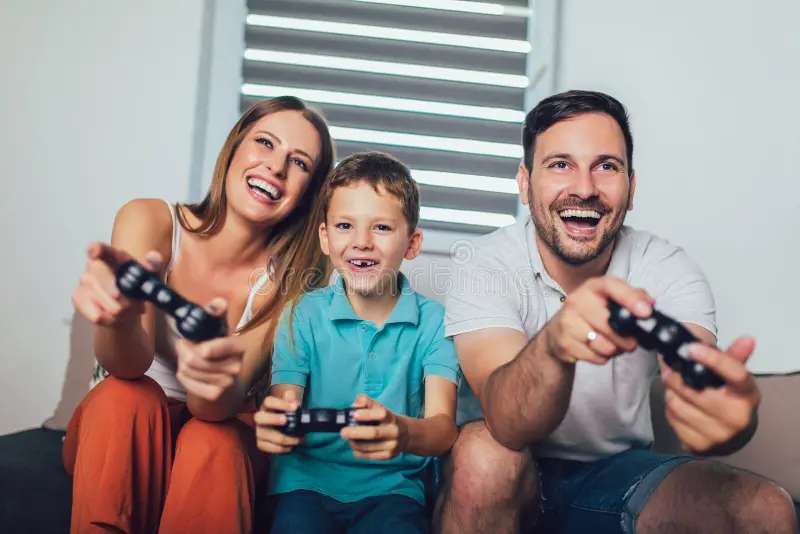
When Video Games Can Harm the Brain and Mental Health

Gaming becomes harmful mainly when it is excessive, poorly supervised, or replaces important real-life activities.
1. Sleep Problems
One of the biggest concerns is lack of sleep.
Gaming late at night can:
- Delay bedtime
- Reduce sleep quality
- Make it harder to focus at school
- Increase irritability and fatigue
Bright screens before bed may also interfere with the body’s natural sleep cycle.
Warning signs:
- Difficulty waking up
- Falling asleep in class
- Constant tiredness
- Mood swings
2. Attention and Concentration Issues
Some fast-paced games constantly reward quick reactions and instant stimulation.
Too much exposure may make it harder for some children to:
- Focus on slower tasks
- Stay patient during homework
- Read for long periods
- Manage boredom
Not every child is affected the same way, but balance is important.
3. Increased Aggression or Emotional Reactivity
Certain highly violent or competitive games may increase:
- Frustration
- Anger
- Aggressive behavior in some children
- Emotional outbursts after losing
This does not mean video games automatically cause violence. However, children who already struggle with emotional regulation may react more strongly to stressful or aggressive content.
4. Reduced Physical Activity
Long hours of gaming can replace:
- Outdoor play
- Sports
- Exercise
- Face-to-face social interaction
Too little physical activity can affect:
- Physical health
- Energy levels
- Mood
- Attention
5. Gaming Addiction and Unhealthy Dependence
Some children may become overly dependent on gaming for comfort or escape.
Possible signs include:
- Thinking about games constantly
- Hiding gaming time
- Losing interest in other hobbies
- Anger when asked to stop
- Declining grades
- Skipping responsibilities
Healthy gaming should not interfere with school, sleep, friendships, or family life.
Which Types of Games Are Usually Healthier?
Not all games affect children the same way.
Often More Positive
These games may encourage creativity, learning, or teamwork:
- Puzzle games
- Building games
- Simulation games
- Educational games
- Cooperative multiplayer games
More Risky in Excess
These may require closer supervision:
- Highly violent games
- Gambling-style mechanics or loot boxes
- Games with toxic online communities
- Games designed to encourage nonstop play
Parents should pay attention to both content and how the child behaves after playing.
How Much Gaming Time Is Reasonable?
There is no perfect number for every child.
A healthy balance usually means:
- Sleep comes first
- School responsibilities are completed
- The child still exercises and socializes
- Gaming does not control the family routine
Many families find success with:
- Shorter gaming sessions on school nights
- More flexibility on weekends
- Screen-free meals and bedtime routines
Quality of screen time often matters more than total hours.
How Parents Can Create Healthy Screen Habits
1. Set Clear Rules
Children benefit from predictable limits.
Examples:
- No games during homework
- No screens one hour before bed
- Gaming only after chores are completed
- Time limits for school nights
Consistency matters more than harsh punishment.
2. Keep Gaming in Shared Spaces
When possible:
- Avoid gaming devices in bedrooms
- Keep younger children in visible areas
- Stay aware of online interactions
This encourages healthier habits and safer internet use.
3. Learn About the Games
Parents do not need to become gaming experts.
However, it helps to:
- Watch gameplay occasionally
- Read age ratings
- Ask children what they enjoy about the game
- Understand online chat features
Showing interest builds trust and communication.
4. Encourage Balance
Help children build routines that include:
- Exercise
- Reading
- Outdoor activities
- Family time
- Creative hobbies
- In-person friendships
Gaming should be one part of life, not the center of it.
5. Model Healthy Screen Habits Yourself
Children notice adult behavior.
Parents who:
- Put phones away during conversations
- Limit screen time before bed
- Take breaks from devices
are more likely to raise children with balanced digital habits.

Warning Signs That Gaming May Be Becoming Unhealthy
Consider adjusting gaming habits if a child:
- Frequently argues about screen time
- Stops enjoying non-screen activities
- Becomes isolated
- Shows declining school performance
- Seems anxious or angry after gaming
- Sacrifices sleep regularly
- Uses gaming to avoid all problems or emotions
Early conversations and gradual changes are usually more effective than sudden extreme restrictions.
Tips for Building a Family Screen Plan
A family screen plan can help reduce conflict.
Include:
- Daily screen time expectations
- Bedtime device rules
- Approved games
- Online safety guidelines
- Consequences for breaking rules
- Time for exercise and offline activities
Involving children in creating the rules often increases cooperation.
Final Thoughts
Video games are not automatically good or bad.
Used in moderation, they can support learning, creativity, teamwork, and enjoyment. But excessive or poorly supervised gaming can interfere with sleep, attention, emotional health, and daily responsibilities.
The goal is not to eliminate gaming completely. The goal is to help children develop balance, self-control, healthy routines, and positive digital habits that will support them as they grow.
With guidance, communication, and reasonable boundaries, video games can become a healthy part of childhood rather than a harmful one.
Working Hours
Tuesday to Saturday – 8.30am to 6pm
Monday & Sunday – Closed
Please also subscribe us at
Contact Us
Discover Our Team!
📞+60102502833
firststepdevelopmentcentre@gmail.com
B1-7, Plaza Damas 3, Jalan Sri Hartamas 1, 50480 Kuala Lumpur.
Copyright 2025. Firststep Child Development Sdn Bhd. All rights reserved.