



Turn-Taking in Children: 6 Signs Your Child May Struggle With Taking Turns
Does your child find it difficult to wait for their turn, frequently interrupt others, or become upset when someone else gets to go first?
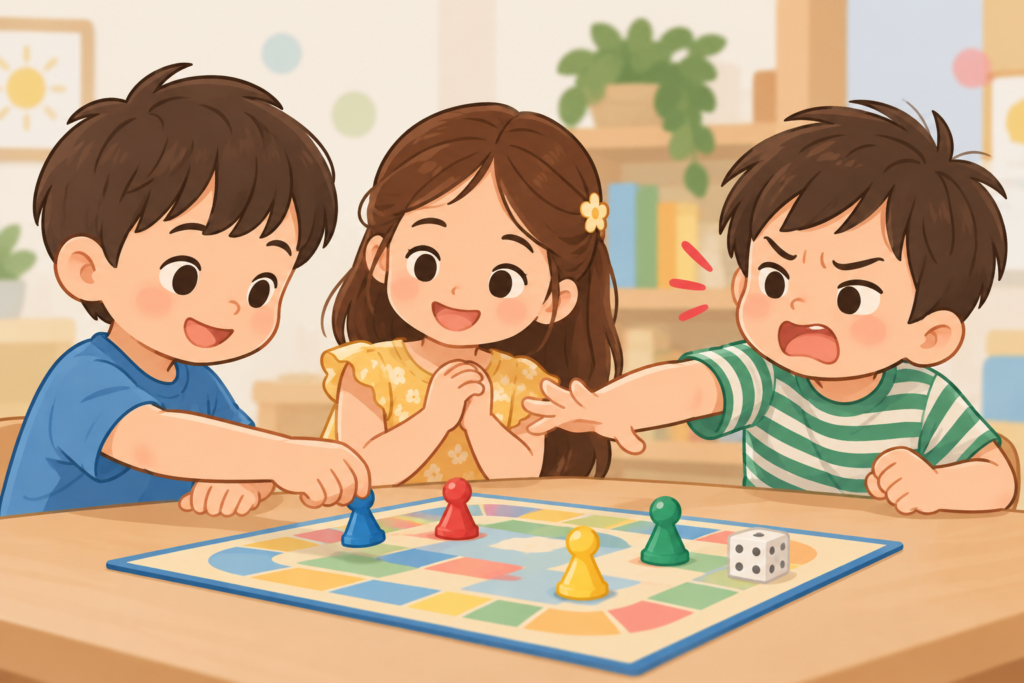
Turn-taking in children is an important social skill that develops through everyday interactions.
It helps children learn how to wait, listen, share, cooperate, and participate in back-and-forth activities with others.
While young children naturally need time to develop these skills, some children may continue to struggle with turn-taking across different situations.
Understanding the signs can help parents recognise when their child may need additional support.
What Is Turn-Taking?
Turn-taking is the ability to wait for and recognise when it is your turn, while also allowing another person to have their turn.
It happens in many everyday situations, including conversations, games, sharing toys, and group activities.
For example, during a board game, a child needs to wait while another player takes their turn.
During a conversation, children also learn to listen while someone else is speaking and then respond when it is their turn.
Turn-taking is an important part of social interaction because it helps children participate in activities and communicate with others in a more balanced way.
1. Has Difficulty Waiting for Their Turn
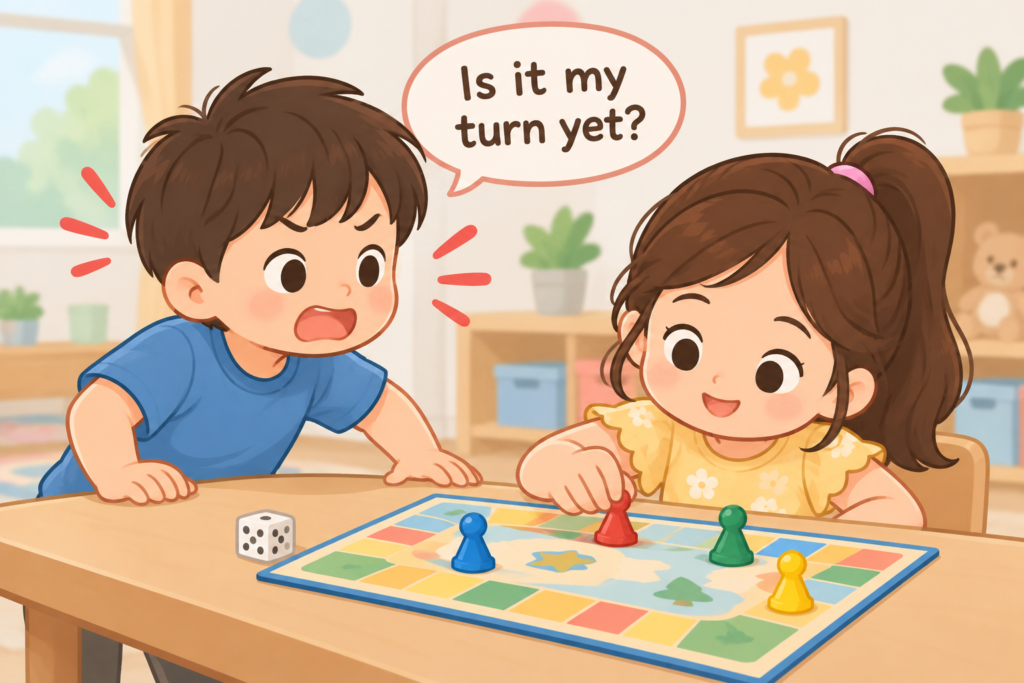
Your child may become impatient when they have to wait, especially when another child is using a toy or taking part in a game.
For example, your child may repeatedly ask, “Is it my turn yet?” or try to take over before the other child has finished.
2. Frequently Interrupts Others
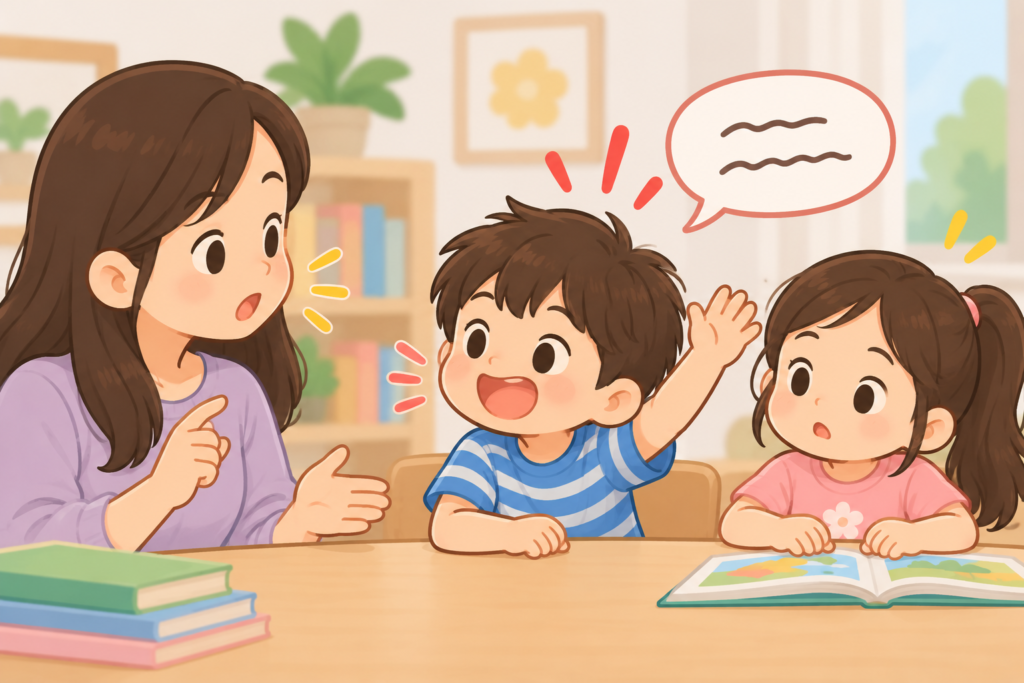
Your child may find it difficult to wait until another person has finished speaking before sharing their own thoughts.
For example, they may frequently talk over other people or answer a question before someone has finished asking it.
3. Takes Toys or Materials From Others
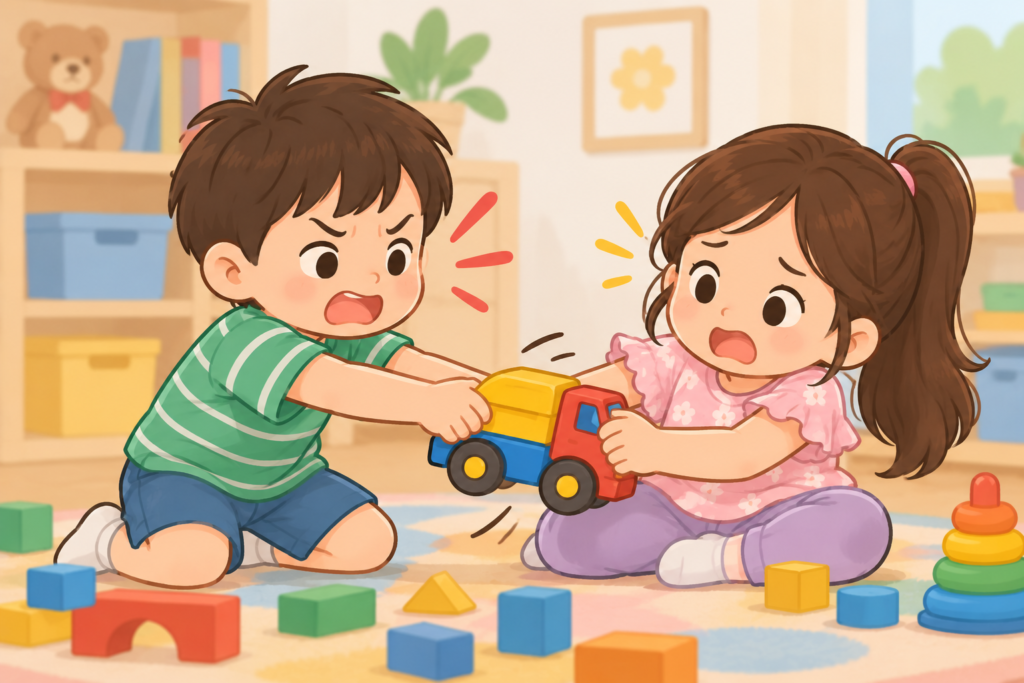
Some children may struggle to understand that they need to wait when another child is using something they want.
For example, your child may grab a toy from another child instead of asking, “Can I have a turn when you’re finished?”
4. Becomes Upset When Someone Else Goes First
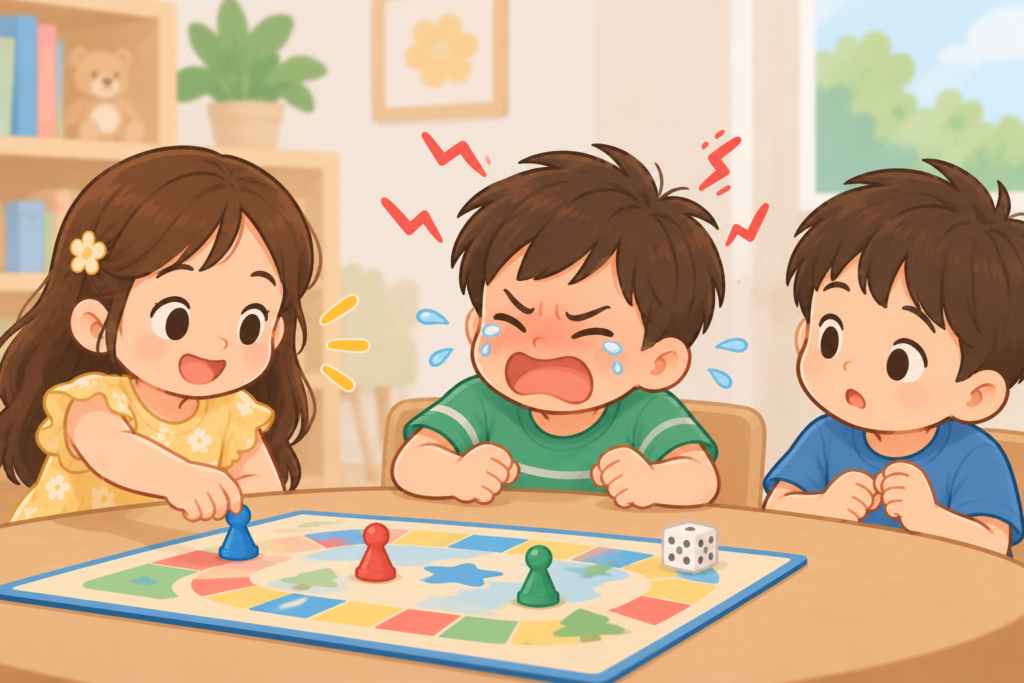
Waiting can be particularly difficult when your child strongly wants to be first.
For example, your child may become frustrated, cry, or refuse to continue playing when another child gets the first turn.
5. Finds It Difficult to Follow Turn-Taking Rules
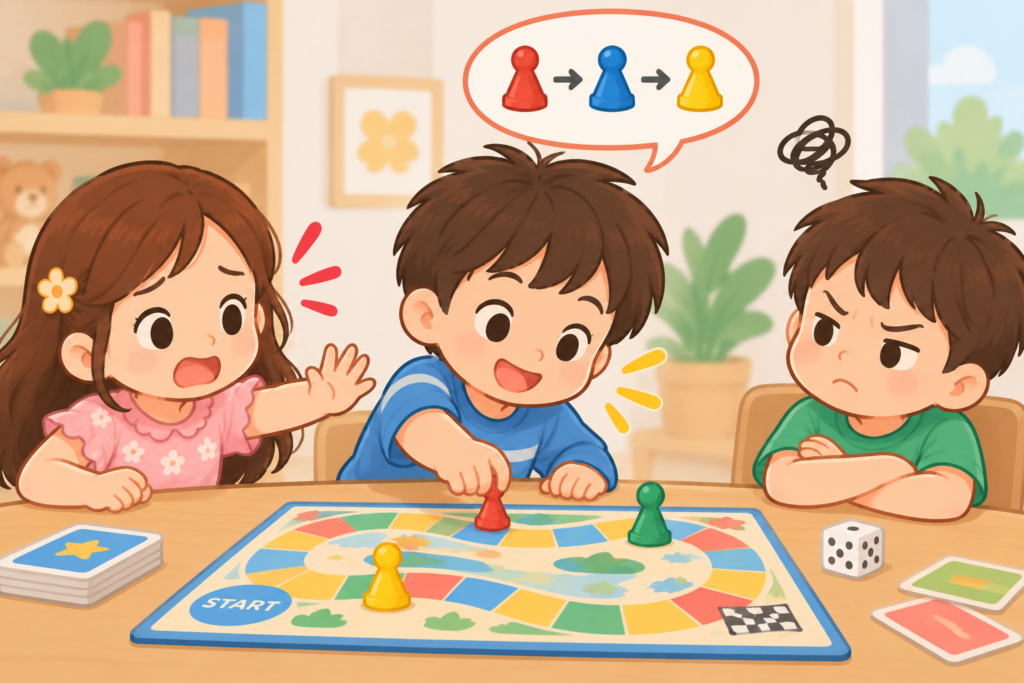
Your child may understand that a game involves taking turns but still struggle to follow the rules consistently.
For example, during a board game, your child may take another turn immediately after finishing their first one or become upset when reminded that it is someone else’s turn.
6. Struggles With Back-and-Forth Interaction
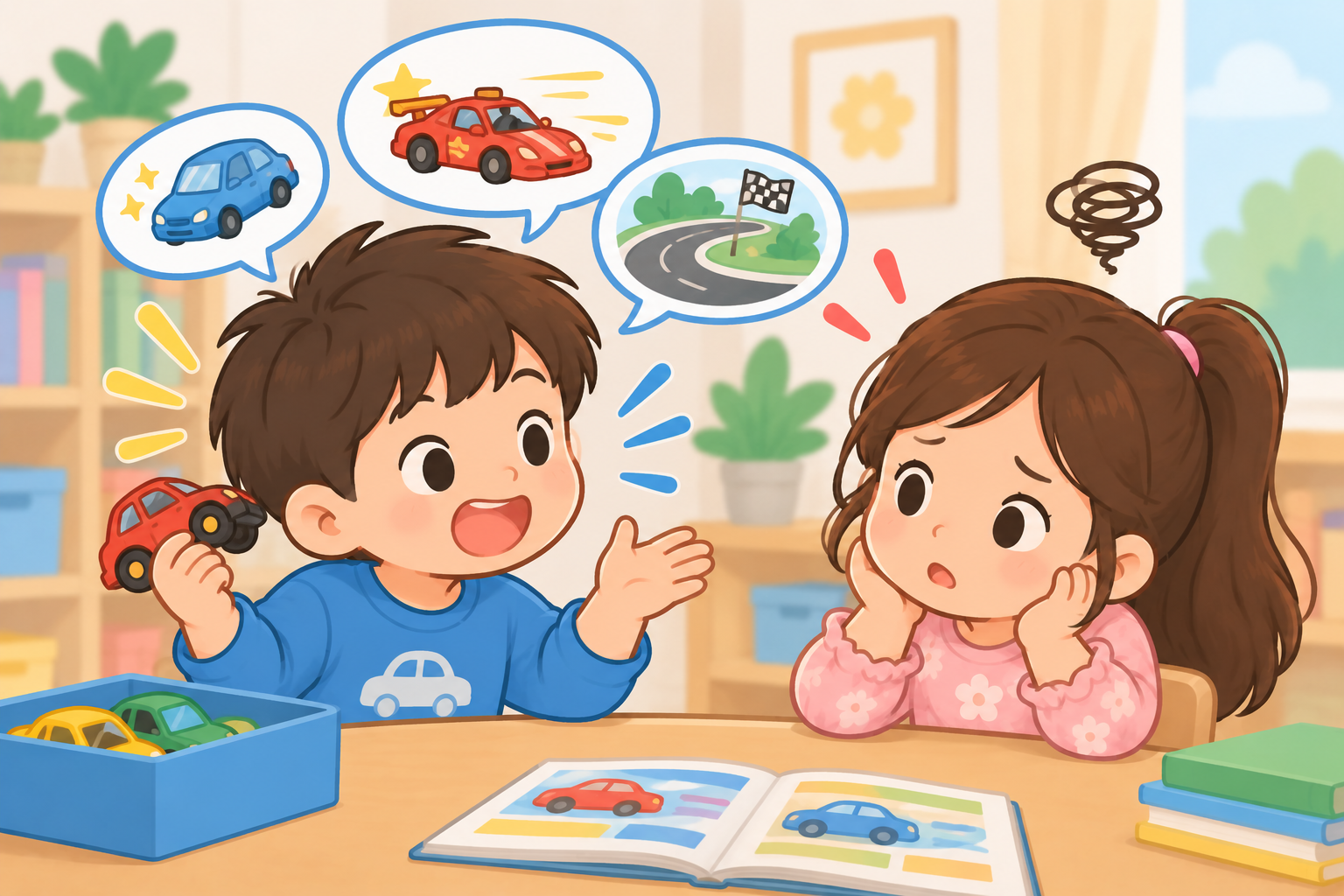
Turn-taking is not only about games. It is also an important part of everyday communication.
Your child may find it difficult to listen, respond, and allow others to contribute during conversations or shared activities.
For example, they may talk continuously about something they are interested in without noticing that the other person has not had an opportunity to respond.
What Can Parents Do?
1. Start With Simple Turn-Taking Games
✿ Use simple activities that naturally involve taking turns, such as rolling a ball, stacking blocks, or playing simple board games.
✿ Keep the activity short and enjoyable so your child can practise waiting without becoming overwhelmed.
2. Use Simple and Consistent Language
✿ Use clear phrases to help your child understand whose turn it is.
✿ For example:
“Mummy’s turn, then your turn.”
“Your turn is next.”
✿ Repeating the same language can help your child understand the sequence more easily.
3. Use Visual Cues
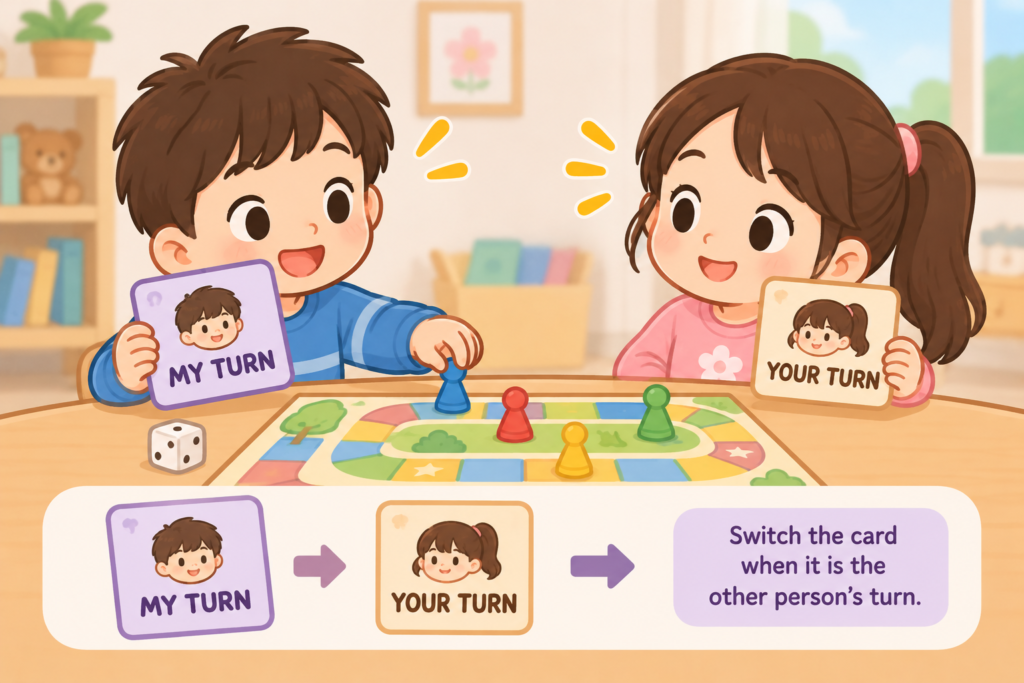
✿ Some children may benefit from visual reminders of whose turn it is.
✿ You can use a simple “My Turn / Your Turn” card, a timer, or an object that is passed between players to show whose turn it is.
4. Practise Waiting for Short Periods
✿ Start with short waiting periods that your child can manage successfully.
✿ For example, ask your child to wait while you take one quick turn before giving the toy back.
✿ Gradually increase the waiting time as your child becomes more comfortable.
5. Praise Positive Turn-Taking
✿ Notice and praise your child’s efforts when they wait, share, or allow someone else to have a turn.
✿ For example:
“You waited while your sister had her turn. Well done!”
✿ Specific praise helps your child understand which behaviour you are encouraging.
6. Practise Turn-Taking During Everyday Conversations
✿ Turn-taking can also be practised during conversations.
✿ Give your child opportunities to speak, then model listening and waiting for your child to finish before responding.
✿ You can gently remind them:
“Let’s let Daddy finish, then it will be your turn to talk.”
✿ This helps children understand that turn-taking applies not only to games, but also to everyday communication.
When Should Parents Seek Professional Advice?
❀ Consider seeking professional guidance if difficulties with turn-taking persist over time or begin to affect your child’s interactions, communication, play, or participation in group activities.
❀ In particular, it may be helpful to seek support if your child:
1. Continues to struggle with waiting or taking turns despite support and encouragement.
2. Frequently interrupts or talks over others during conversations.
3. Often becomes very upset when asked to wait or let someone else go first.
4. Has difficulty participating in games or activities that involve taking turns.
5. Experiences frequent conflicts with other children because of difficulties with sharing or turn-taking.
6. Has difficulties with turn-taking that significantly affect their everyday social functioning.
❀ A clinical psychologist can help assess your child’s social, emotional, and behavioural development and identify factors that may be contributing to these difficulties.
❀ A Speech-Language Therapist may also be involved when turn-taking difficulties are related to social communication or conversational skills.
❀ Early support can help children develop the skills they need to participate more comfortably and successfully in social interactions.
Key Takeaway
❀ Turn-taking in children is an important social skill that helps children learn to wait, listen, share, communicate, and cooperate with others.
❀ Children develop these skills gradually, and some may need more opportunities and support to practise them.
❀ If your child’s difficulties persist or significantly affect their interactions with others, professional support can help identify their needs and guide appropriate strategies.
🌟 Stay Connected with Us! We love sharing tips, insights, and inspiring stories about children’s growth and mental wellbeing.
💙 Follow us on Instagram and Facebook for more updates and parenting advice.
Join our community and let’s grow together. One positive step at a time!

References
American Academy of Pediatrics (HealthyChildren.org) – Social Development in Preschoolers: Learning How to Share & Cooperate
HealthyChildren.org – Social Development in Preschoolers
American Speech-Language-Hearing Association (ASHA) – Social Communication Benchmarks
ASHA – Social Communication Benchmarks
Raising Children Network – Preschooler Friendships: How They Develop & Tips to Help
Working Hours
Tuesday to Saturday – 8.30am to 6pm
Monday & Sunday – Closed
Please also subscribe us at
Contact Us
Discover Our Team!
📞+60102502833
firststepdevelopmentcentre@gmail.com
B1-7, Plaza Damas 3, Jalan Sri Hartamas 1, 50480 Kuala Lumpur.
Copyright 2025. Firststep Child Development Sdn Bhd. All rights reserved.