



Stress in Children: Signs Your Child Is Feeling Overwhelmed
Many people often associate stress with adults, BUT children can also experience significant stress in their daily lives.
Academic expectations, social challenges, family changes, or busy schedules
can sometimes feel overwhelming for children.
While some stress is a normal part of development, too much or prolonged stress may affect a child’s emotional well-being and behaviour.
Children may not always have the words to express how they feel.
Instead, stress may appear through changes in behaviour, emotions, or physical symptoms
(American Psychological Association, 2021).
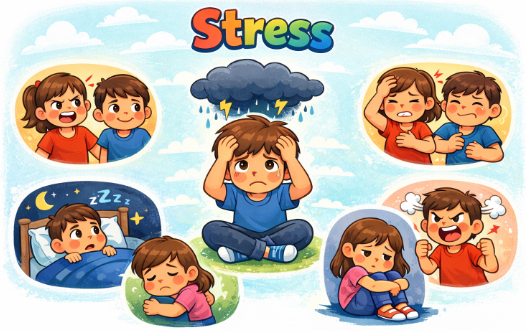
Understanding the warning signs of stress in children can help parents provide the right support and prevent stress from escalating.
What Is Stress in Children?
Stress is the body’s natural response to challenges or demands.
When a child experiences a stressful situation, the brain processes the information and activates a physiological stress response that prepares the body to react (Goetsch & Larkin, 2024).
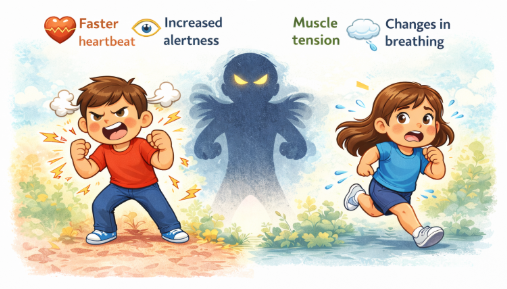
When the brain detects a challenge or threat, it triggers the body’s “fight-or-flight” response, releasing hormones that help the body respond quickly.
During this response, children may experience physical changes such as:
- Faster heartbeat
- Increased alertness
- Muscle tension
- Changes in breathing rate
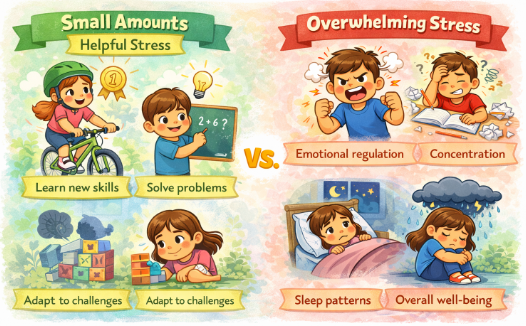
In small amounts, stress can actually be helpful. It can motivate children to:
- Solve problems
- Adapt to challenge
- Learn new skills
However, when stress becomes frequent or intense, it may begin to affect different areas of a child’s daily life, such as:
- Academic or learning activities:
-
- Difficulty concentrating in class
- Losing interest in schoolwork
- Struggling to complete homework
- Social interactions and play
- Withdrawing from friends
- Avoiding playtime
- Sleep quality
- Trouble falling asleep
- Frequent waking at night
- Experiencing nightmares
Common Sources of Stress in Children
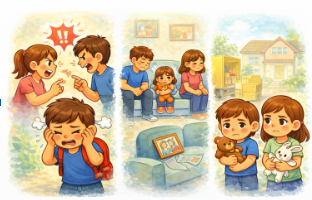
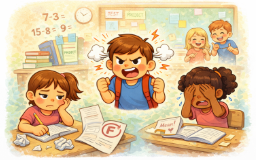
Children may experience stress from different aspects of their daily lives. Some common sources include:
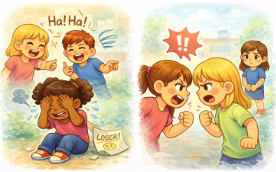
1. Social stress
- Friendship conflicts
- Bullying or social exclusion
2. School-related stress
- Academic pressure
- Homework and exams
- Difficulty keeping up with schoolwork
3. Family-related stress
- Parental conflict
- Divorce or separation
- Moving to a new home or school
Signs of Stress in Children
Stress can appear in different ways depending on the child’s age, personality, and coping abilities.
Because children may not always have the words to explain how they feel, stress often shows up through changes in emotions, behaviour, or physical health (Alvord & Halfond, 2024).
Parents may notice some of the following signs:
1. Emotional Signs
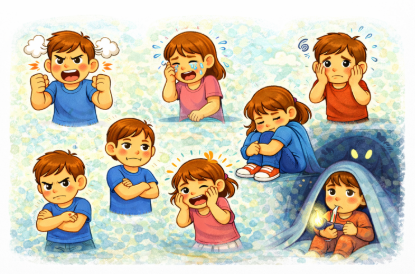
Children experiencing stress may show stronger or more frequent emotional reactions, such as:
- Increased irritability or anger
- Frequent crying or whining
- Anxiety or excessive worrying
- Difficulty relaxing
- Mood swings
- Feeling overwhelmed or easily frustrated
- New or recurring fears (such as fear of the dark or being alone)
When children feel overwhelmed, they may struggle to manage their emotions and react more intensely to everyday situations.
2. Physical Signs
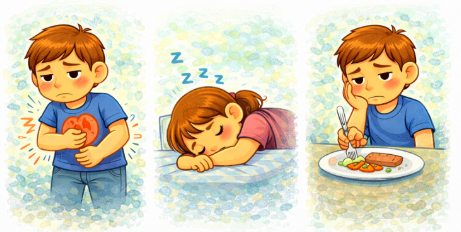
Stress can also affect a child’s physical well-being. Some children may experience physical symptoms even when no medical illness is present.
Possible physical signs include:
- Headaches
- Stomachaches or vague stomach discomfort
- Changes in appetite (eating more or less than usual)
- Sleep difficulties or nightmares
- Feeling tired more often
- Getting sick more frequently
These physical complaints are common ways that children express stress when they are unable to verbalise their feelings.
3. Behavioural Signs
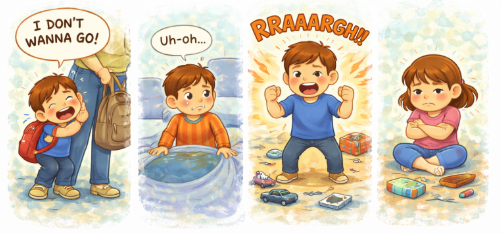
Behavioural changes are often one of the most noticeable signs of stress. These may include:
- Sudden changes in behaviour
- Aggressive or stubborn behaviour
- Withdrawing from family, friends, or school activities
- Increased tantrums or emotional outbursts
- Becoming unusually clingy
- Returning to behaviours from a younger age (e.g., bedwetting)
These behaviours may indicate that a child is struggling to cope with stress.
How Parents Can Support a Stressed Child?
Recognising stress is the first step. The next step is helping children learn healthy ways to cope with it.
Parents play an important role in helping children manage stress.
A supportive and understanding environment can make a significant difference in how children manage overwhelming situations.
1. Encourage open communication
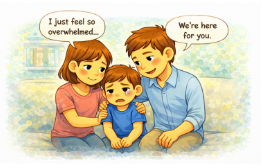
- Let children talk about their feelings without fear of judgment
- Listening calmly can help them feel understood and supported
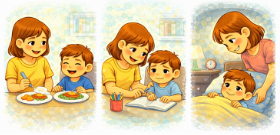
2. Maintain consistent routines
- Regular routines for meals, homework, and bedtime help children feel safe and secure.
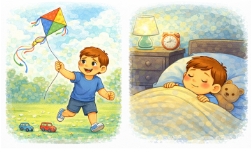
3. Ensure children get enough rest and play time
- Free play and relaxation are important for emotional development and stress relief.
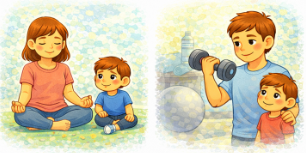
4. Model healthy coping strategies
- Children often learn by observing adults.
- Showing healthy ways of dealing with stress can help them develop similar coping skills.
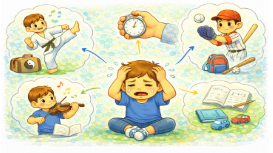
5. Avoid overly demanding schedules
- Too many activities can overwhelm children.
- Allowing time for rest and unstructured play is important.
When children feel supported by their caregivers, they are more likely to develop healthy coping skills and emotional resilience.
When Should Parents Seek Professional Help?
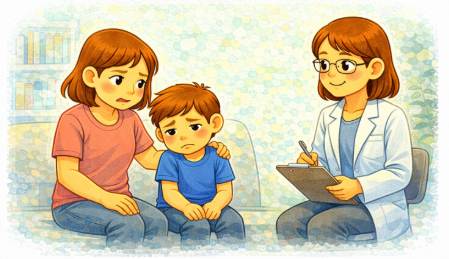
While occasional stress is a normal part of childhood, parents may consider seeking professional support if their child:
- Show signs of stress that persist for several weeks
- Stress begins to interfere with school, daily activities, or relationships
- Has emotional reactions that become intense or difficult to manage
- Withdraws socially or shows significant behavioural changes
A clinical psychologist can help assess a child’s emotional well-being, identify potential stressors, and provide appropriate strategies to support both the child and family.
Early support is important in helping children develop healthy coping skills and emotional resilience.
🌟 Stay Connected with Us! We love sharing tips, insights, and inspiring stories about children’s growth and mental wellbeing. 💙 Follow us on Instagram and Facebook for more updates and parenting advice.
Join our community and let’s grow together. One positive step at a time!

References
Alvord, M., & Halfond, R. (2024, October 22). How to help children and teens manage their stress. American Psychological Association. https://www.apa.org/topics/children/stress
American Psychological Association. (2021). Identifying signs of stress in your children and teens. Apa.org. https://www.apa.org/topics/stress/children
Goetsch, V. L., & Larkin, K. T. (2024). Physiological responses to stress | Health and Medicine | Research Starters | EBSCO Research. EBSCO. https://www.ebsco.com/research-starters/health-and-medicine/physiological-responses-stress#physiological-responses-to-stress
Working Hours
Tuesday to Saturday – 8.30am to 6pm
Monday & Sunday – Closed
Please also subscribe us at
Contact Us
Discover Our Team!
📞+60102502833
firststepdevelopmentcentre@gmail.com
B1-7, Plaza Damas 3, Jalan Sri Hartamas 1, 50480 Kuala Lumpur.
Copyright 2025. Firststep Child Development Sdn Bhd. All rights reserved.