



Social Cues in Children: 6 Signs Your Child May Struggle
Does your child sometimes misunderstand how others feel, miss hints during conversations, or struggle to know how to respond in social situations?
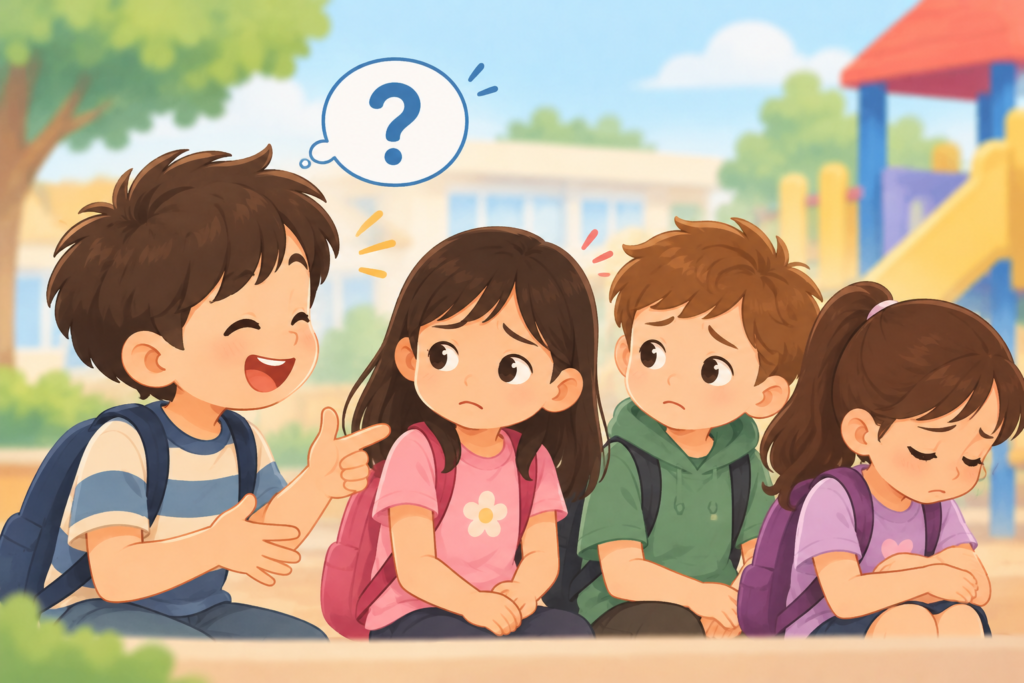
Social cues help children understand what people may be feeling, thinking, or communicating beyond their words.
Understanding social cues helps children recognise other people’s feelings, interpret body language, and make sense of unspoken social expectations.
While these skills develop gradually, some children may need extra guidance to understand what is happening around them and respond appropriately.
Recognising these difficulties can help parents better understand their child’s social experiences and find practical ways to support them.
What Are Social Cues?
Social cues are verbal and non-verbal signals that help us understand social situations.
They include facial expressions, body language, tone of voice, gestures, and the context of a conversation.
Children gradually learn to interpret social cues through everyday interactions, play, and conversations.
However, some children may find these skills more challenging, especially when social situations are unfamiliar or involve subtle communication.
Developing social cues in children takes time and practice as they learn to understand other people’s feelings and respond to different situations.
1. Has Difficulty Recognising Other People's Emotions
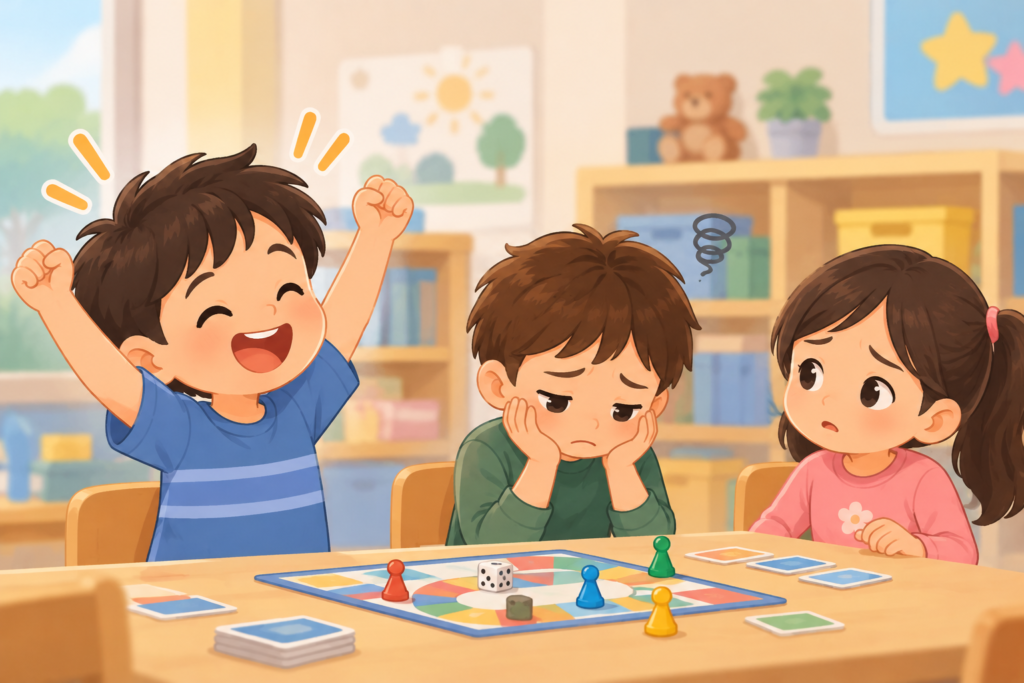
Your child may struggle to recognise when someone is happy, sad, frustrated, or worried based on their facial expression or behaviour.
For example, when a friend looks upset after losing a game, your child may not realise that their friend is disappointed.
2. Misunderstands Tone of Voice
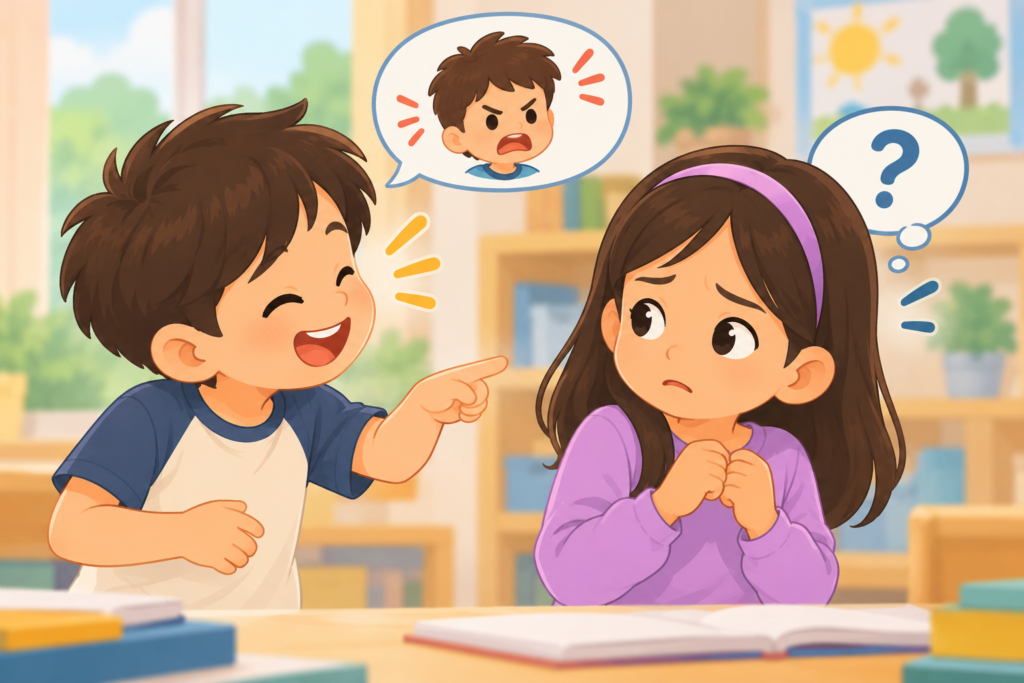
Children use tone of voice to understand whether someone is joking, serious, excited, or upset.
A child who struggles with this may misunderstand playful teasing as anger or fail to recognise when someone is becoming frustrated during a conversation.
3. Finds It Difficult to Understand Body Language
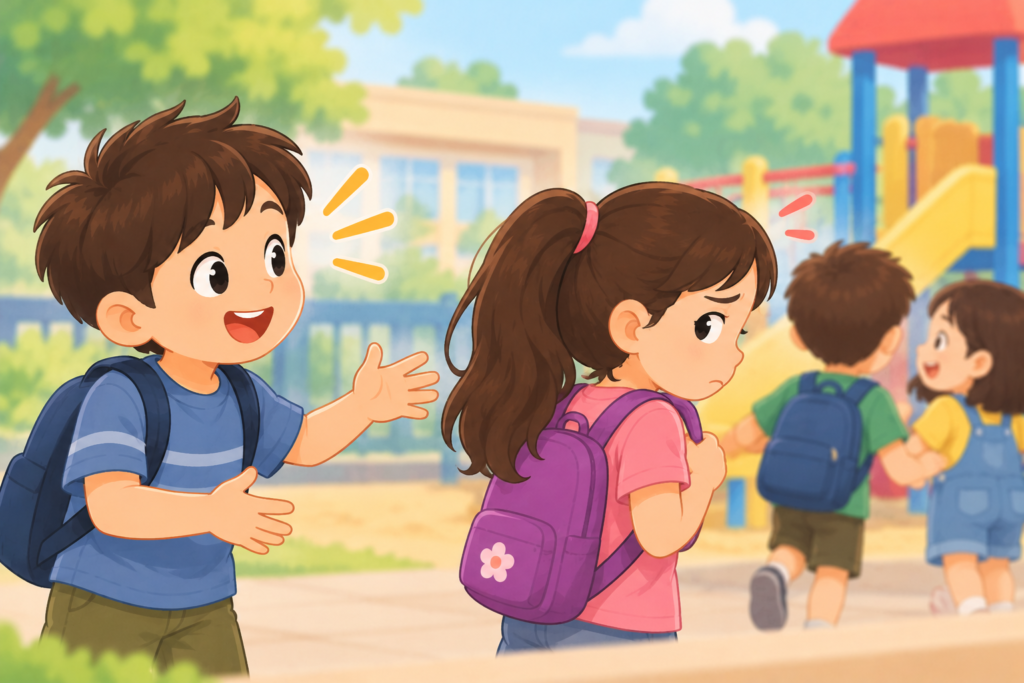
Body language, such as gestures, posture, and physical distance, can provide clues about what someone is communicating.
For example, your child may continue talking to a friend who has turned away or moved towards another activity, without noticing that the friend may be ready to end the conversation.
4. Does Not Always Notice When Others Feel Uncomfortable
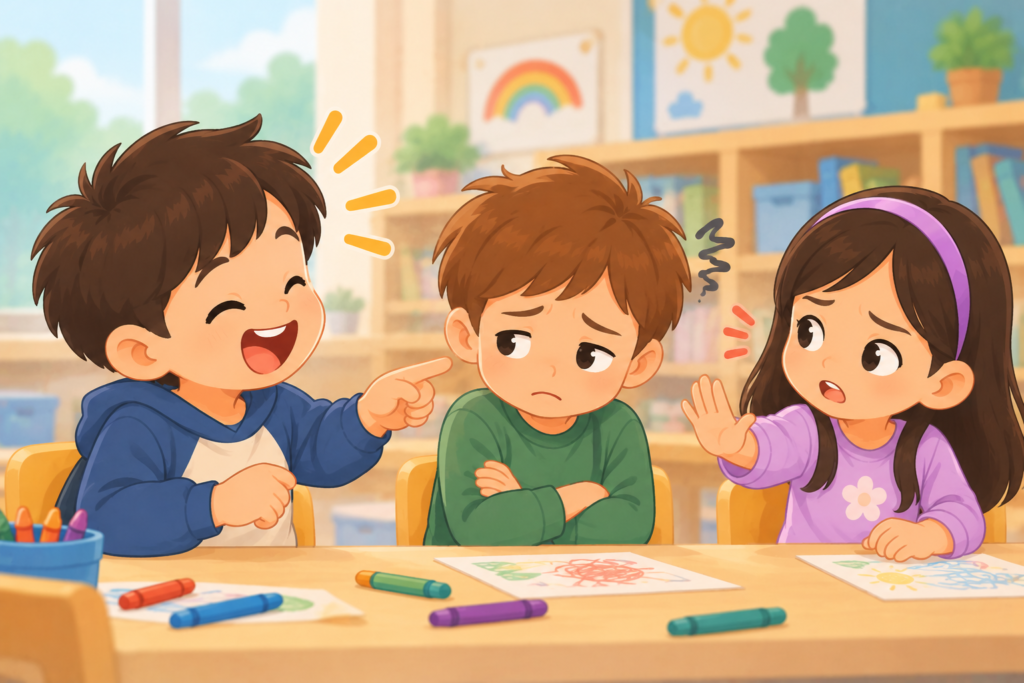
Some children may find it difficult to recognise when another person feels uncomfortable, overwhelmed, or uninterested.
For example, your child may continue making jokes even when another child looks upset or asks them to stop.
This does not necessarily mean your child intends to upset others.
They may need help understanding the signals that communicate how someone feels.
5. Struggles to Understand Unspoken Social Rules
Social situations often involve expectations that are not directly explained.
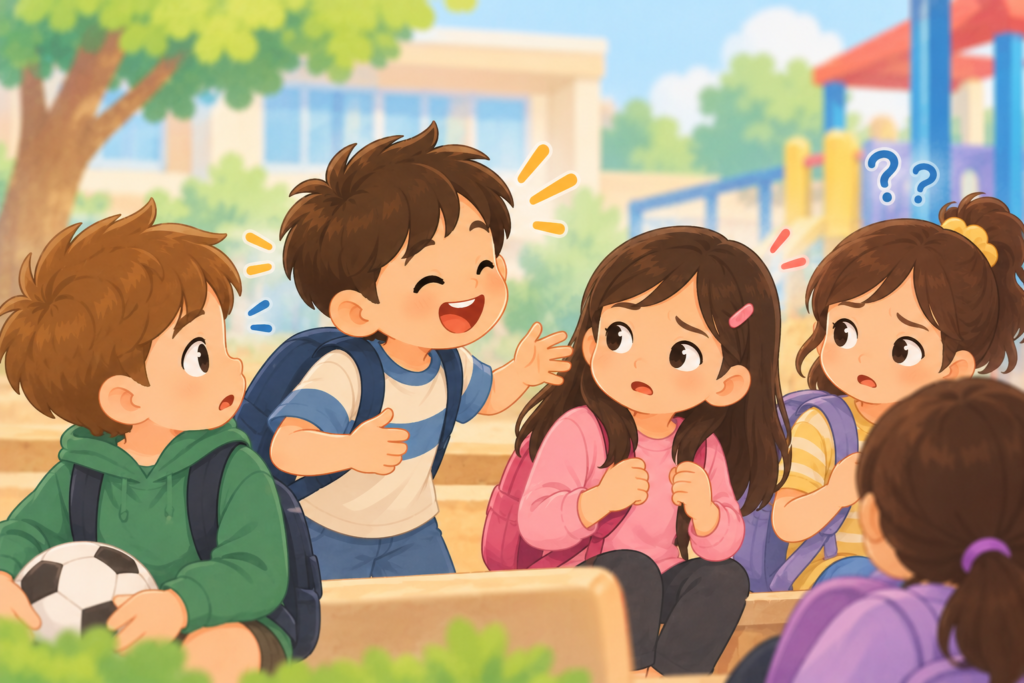
For example, your child may interrupt a group conversation, stand too close to someone, or find it difficult to recognise when it is appropriate to join a game.
These situations can be confusing when a child has not yet learned how to interpret the social context.
6. Finds It Difficult to Adjust Their Behaviour in Different Situations
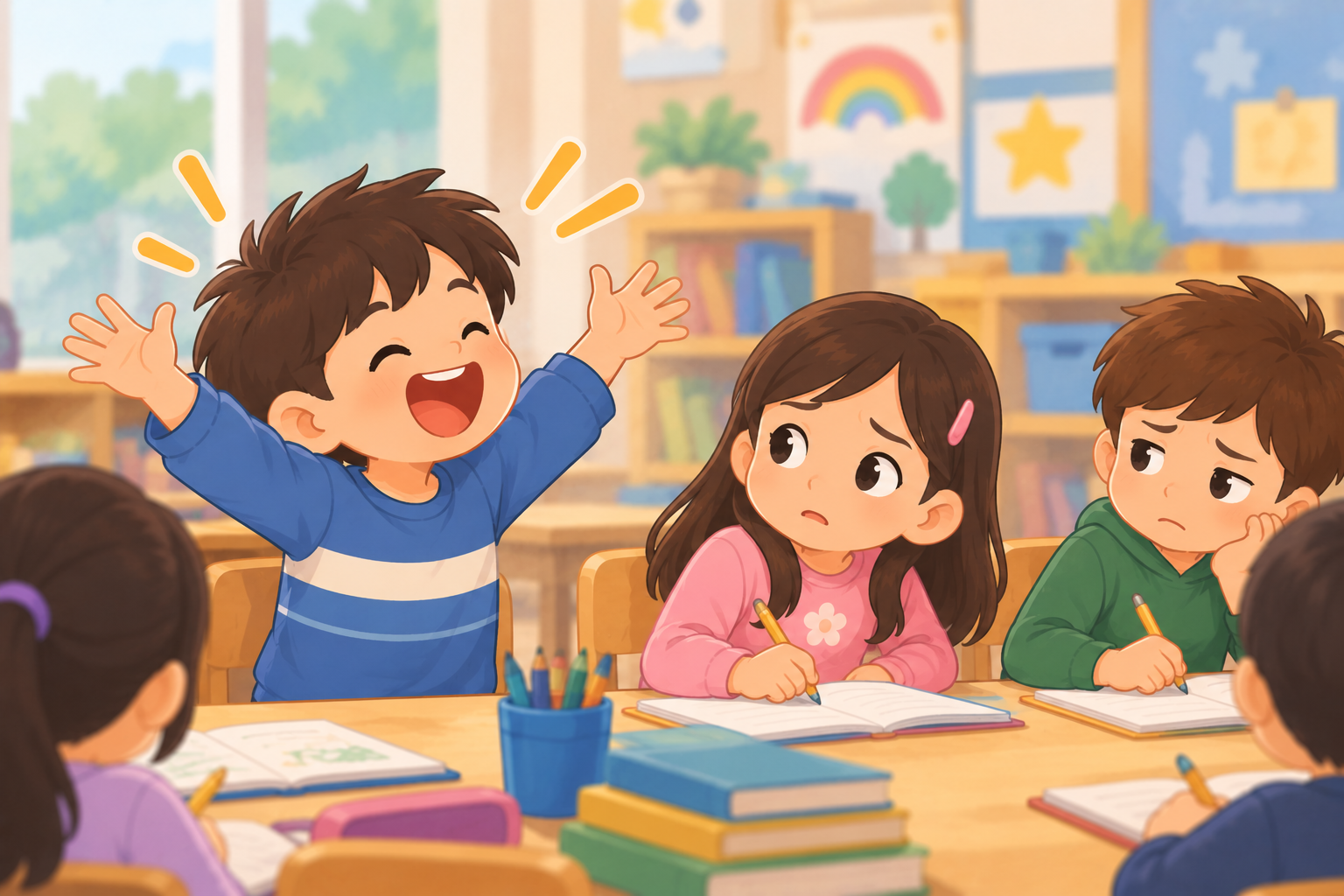
Children gradually learn that different situations call for different ways of communicating.
For example, your child may speak loudly during a quiet classroom activity or continue playing roughly when others want to play calmly.
They may need support to recognise how the environment, activity, and reactions of others can guide their behaviour.
What Can Parents Do?
1. Talk About Facial Expressions and Feelings
✿ Help your child identify emotions in storybooks, pictures, and everyday situations.
✿ For example, ask, “How do you think she feels? What makes you think that?”
✿ Encourage your child to look at the situation as a whole rather than relying on facial expressions alone.
2. Explain Social Situations Clearly
✿ Do not assume your child will automatically understand unspoken social rules.
✿ For example, explain, “When your friend says they want to play something else, you can ask what they would like to play next.”
✿ Use simple, specific explanations rather than only saying, “Be polite” or “Read the room.”
3. Use Stories and Role-Play
✿ Practise common social situations through pretend play.
✿ You could take turns acting out scenarios such as joining a game, responding to a disappointed friend, or asking someone to play.
✿ Discuss different ways each character might feel and respond.
4. Point Out Social Cues in Everyday Life
✿ When appropriate, gently draw your child’s attention to relevant cues.
✿ For example, you might say, “Your friend is stepping back and looking at the door. Maybe they need some space or are ready to leave. Let’s ask them.”
✿ Explain that body language can provide clues, but it does not always tell us exactly what someone is thinking.
5. Teach Your Child to Ask Instead of Guessing
✿ Children do not need to work out every social situation on their own. Encourage them to ask respectful questions when they are unsure.
✿ Examples include:
1. “Are you okay?”
2. “Would you like to play with me?”
3. “Do you want to keep playing?”
4. “Did I upset you?”
✿ This helps children learn that checking with another person is often more reliable than guessing their feelings.
6. Practise Through Everyday Play
✿ Board games, pretend play, and cooperative activities provide opportunities to practise noticing reactions, taking turns, and responding to others.
✿ Start with familiar situations and offer gentle guidance when needed.
✿ Praise your child’s effort to notice and respond to others rather than expecting them to get every interaction right.
When Should Parents Seek Professional Advice?
❀ Consider seeking professional advice if your child consistently struggles to understand social cues and these difficulties affect friendships, communication, classroom participation, or everyday interactions.
❀ You may wish to seek guidance if your child frequently misunderstands others’ emotions, struggles to interpret social situations despite support, or has ongoing difficulties forming and maintaining relationships.
❀ A Speech-Language Therapist can assess social communication skills, while a Clinical Psychologist may help explore broader developmental, emotional, or behavioural concerns.
❀ Difficulties with social cues can have different explanations, including differences in language development, attention, social learning, or neurodevelopment.
❀ These signs alone do not indicate a particular diagnosis.
❀ Early support can help identify your child’s strengths and needs and provide practical strategies for everyday life.
Key Takeaway
❀ Understanding social cues helps children navigate conversations, recognise others’ feelings, and develop relationships.
❀ Some children learn these skills naturally, while others benefit from clear explanations, practice, and additional support.
❀ With patient guidance and regular practice, children can gradually improve their understanding of social cues and feel more confident interacting with others.
❀ If difficulties persist or affect daily life, professional guidance can help identify the most appropriate support.
🌟 Stay Connected with Us! We love sharing tips, insights, and inspiring stories about children’s growth and mental wellbeing.
💙 Follow us on Instagram and Facebook for more updates and parenting advice.
Join our community and let’s grow together. One positive step at a time!

References
American Speech-Language-Hearing Association. (n.d.). Components of social communication.
Centers for Disease Control and Prevention. (2024, May 16). Signs and symptoms of autism spectrum disorder.
https://www.cdc.gov/autism/signs-symptoms/index.html
National Institute on Deafness and Other Communication Disorders. (n.d.). Speech and language developmental milestones.
Working Hours
Tuesday to Saturday – 8.30am to 6pm
Monday & Sunday – Closed
Please also subscribe us at
Contact Us
Discover Our Team!
📞+60102502833
firststepdevelopmentcentre@gmail.com
B1-7, Plaza Damas 3, Jalan Sri Hartamas 1, 50480 Kuala Lumpur.
Copyright 2025. Firststep Child Development Sdn Bhd. All rights reserved.