



Beyond Shyness: Signs Your Child May Be Struggling With Social Confidence
Does your child seem shy around new people, hesitate to join other children, or struggle to speak up in social situations?
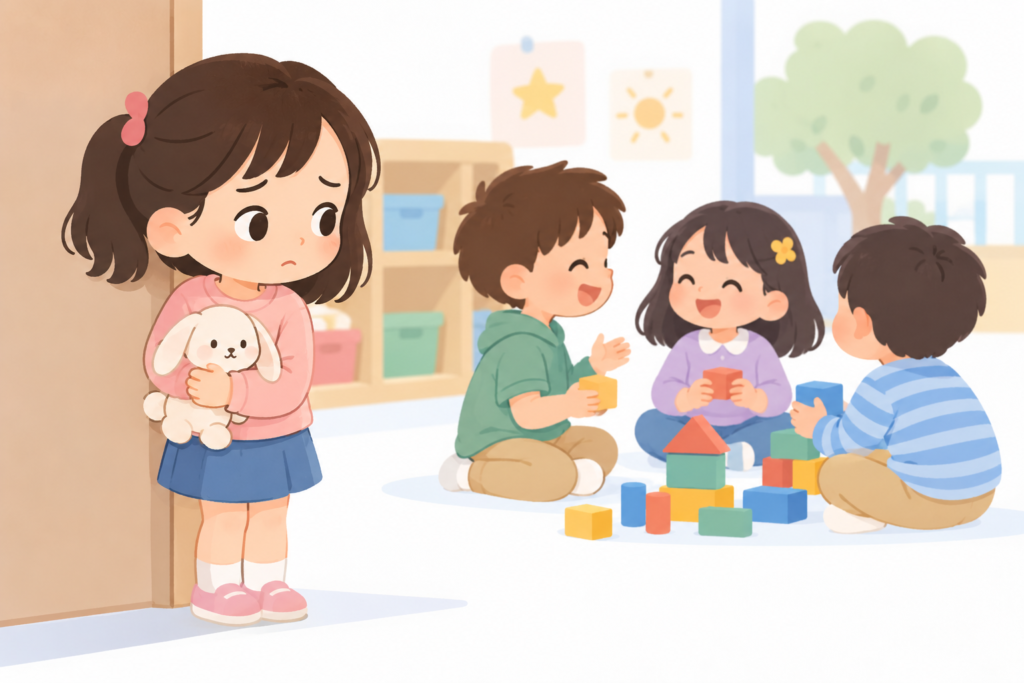
Some children naturally take more time to warm up to others, and this is a normal part of individual differences in temperament.
However, when a child consistently avoids social interactions, worries about what others think, or finds it difficult to participate in group activities, they may need extra support to develop social confidence.
Social confidence is not about being the loudest child in the room.
It is about feeling comfortable enough to express oneself, interact with others, and try new social experiences at one’s own pace.
Understanding the signs can help parents recognise when their child may benefit from additional encouragement and support.
What Is Social Confidence?
Social confidence is a child’s ability to feel comfortable interacting with others, expressing their thoughts and feelings, and participating in social situations.
It does not mean a child must be outgoing or enjoy being the centre of attention.
Instead, social confidence helps children feel more comfortable meeting new people, making friends, sharing their ideas, and trying new social experiences.
Children develop social confidence at different rates.
While some may naturally feel comfortable in social settings, others may need more time, encouragement, and support to feel at ease around others.
When a child struggles with social confidence, they may avoid interactions, worry about being judged, or find it difficult to express themselves around others.
1. Avoids Interacting With Other Children
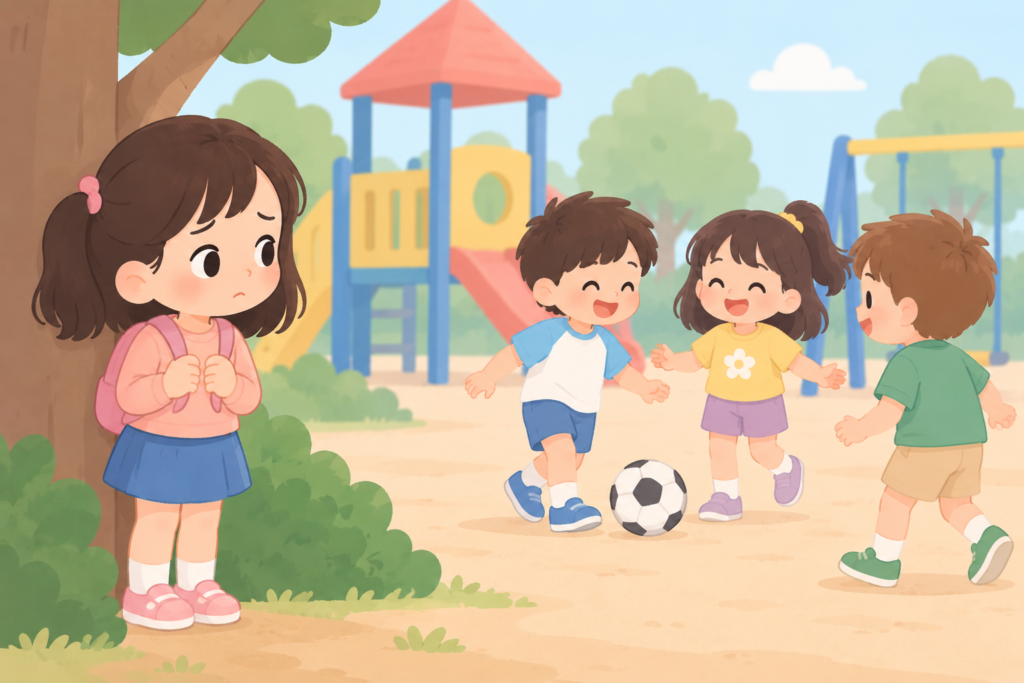
Your child may watch other children playing but hesitate to join them, even when they seem interested.
They may prefer to play alone or wait for others to approach them.
For example, your child may stand near a group of children at the playground but feel unsure about how to join their game.
2. Finds It Difficult to Speak Up
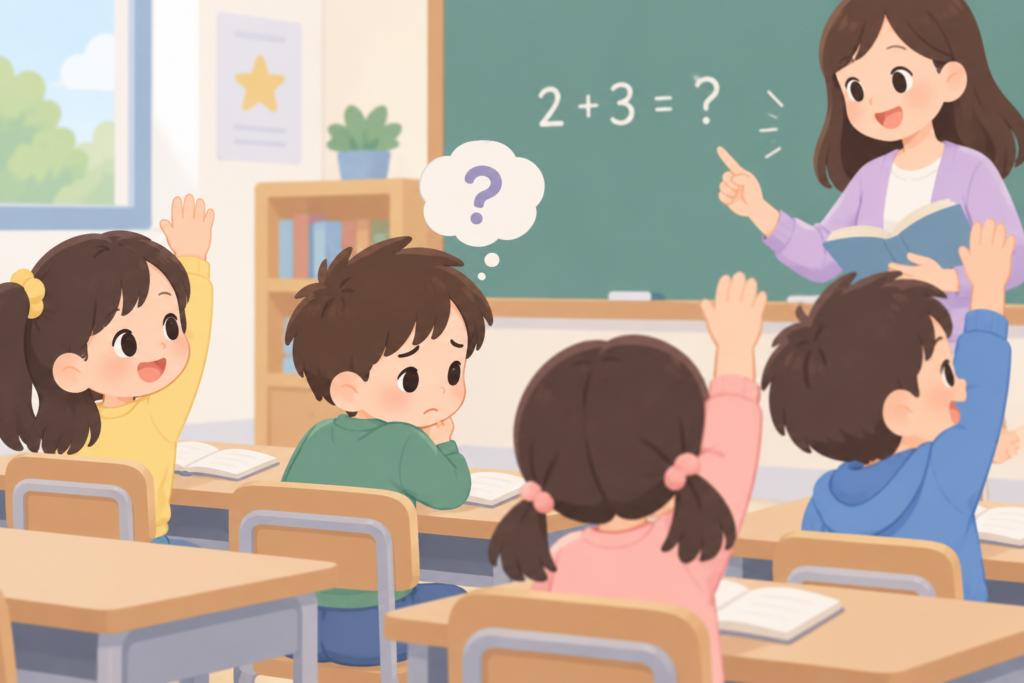
Children who lack social confidence may struggle to express their thoughts, needs, or opinions around others.
They may speak comfortably at home but become unusually quiet in school, group activities, or unfamiliar social settings.
For example, your child may know the answer to a question but avoid raising their hand because they are afraid of speaking in front of the class.
3. Worries About Making Mistakes or Being Judged
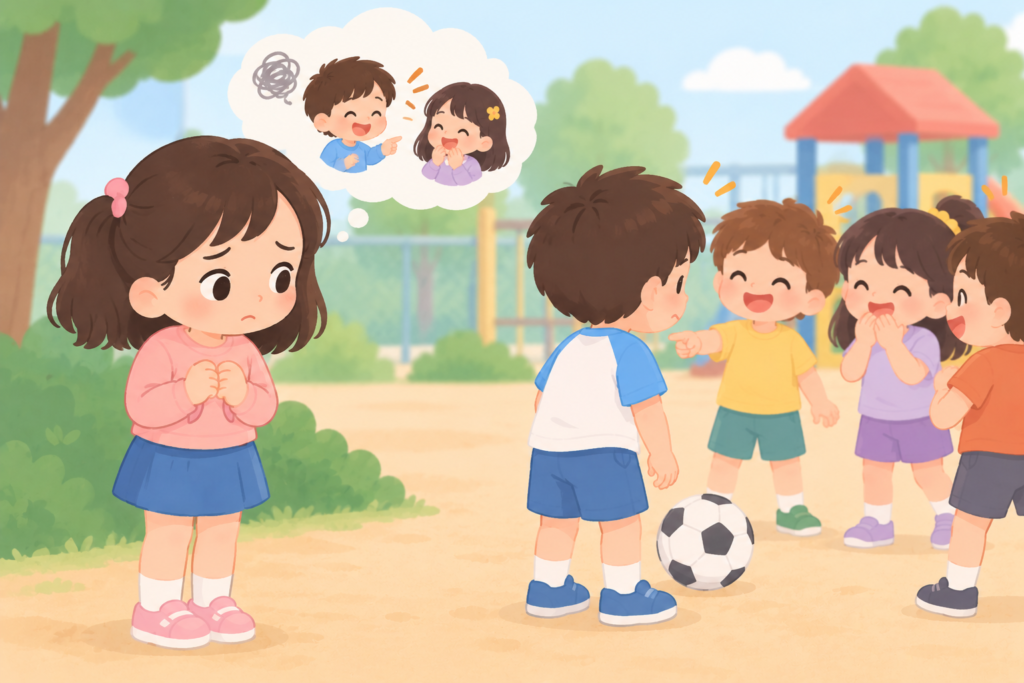
Some children may be overly concerned about how others perceive them.
They may worry about saying the wrong thing, making mistakes, or being laughed at by their peers.
For example, your child may avoid answering questions or participating in games because they are afraid other children might make fun of them.
4. Relies on Parents in Social Situations
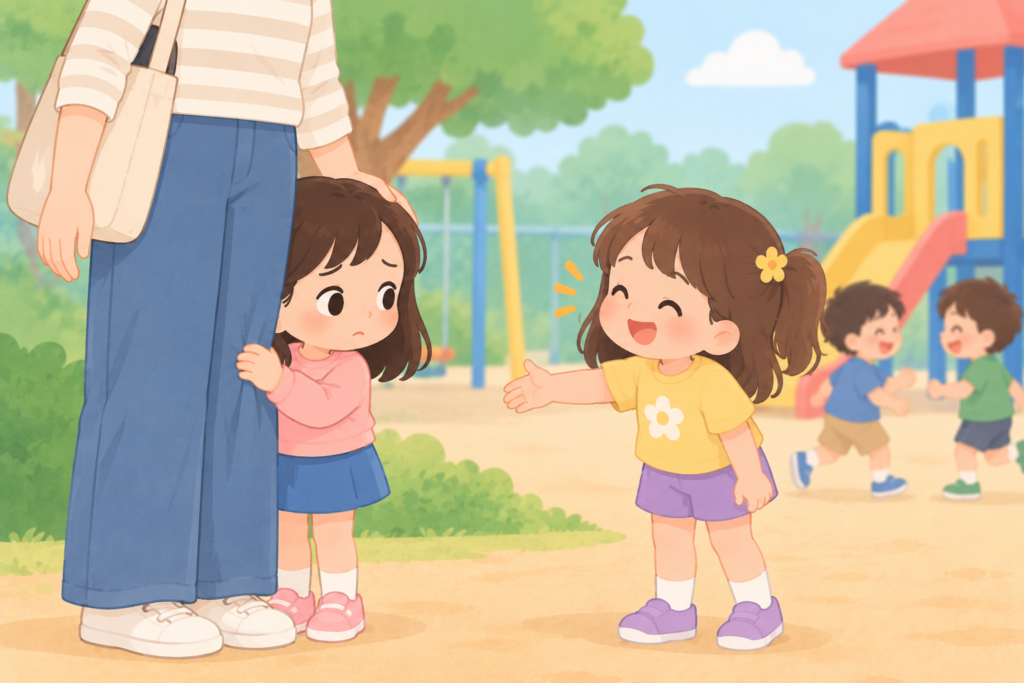
Your child may frequently stay close to you when meeting unfamiliar people or entering new environments.
They may rely on you to speak for them, answer questions, or initiate interactions with other children.
For example, when another child asks to play together, your child may look to you to respond instead of answering independently.
5. Avoids New Activities or Group Experiences
Children who lack social confidence may hesitate to try unfamiliar activities, especially those involving other people.
They may refuse to participate in school performances, group games, birthday parties, or extracurricular activities because they feel nervous or uncertain.
For example, your child may want to attend a birthday party but become upset or refuse to go because they are worried about interacting with unfamiliar children.

6. Becomes Upset Before or After Social Interactions
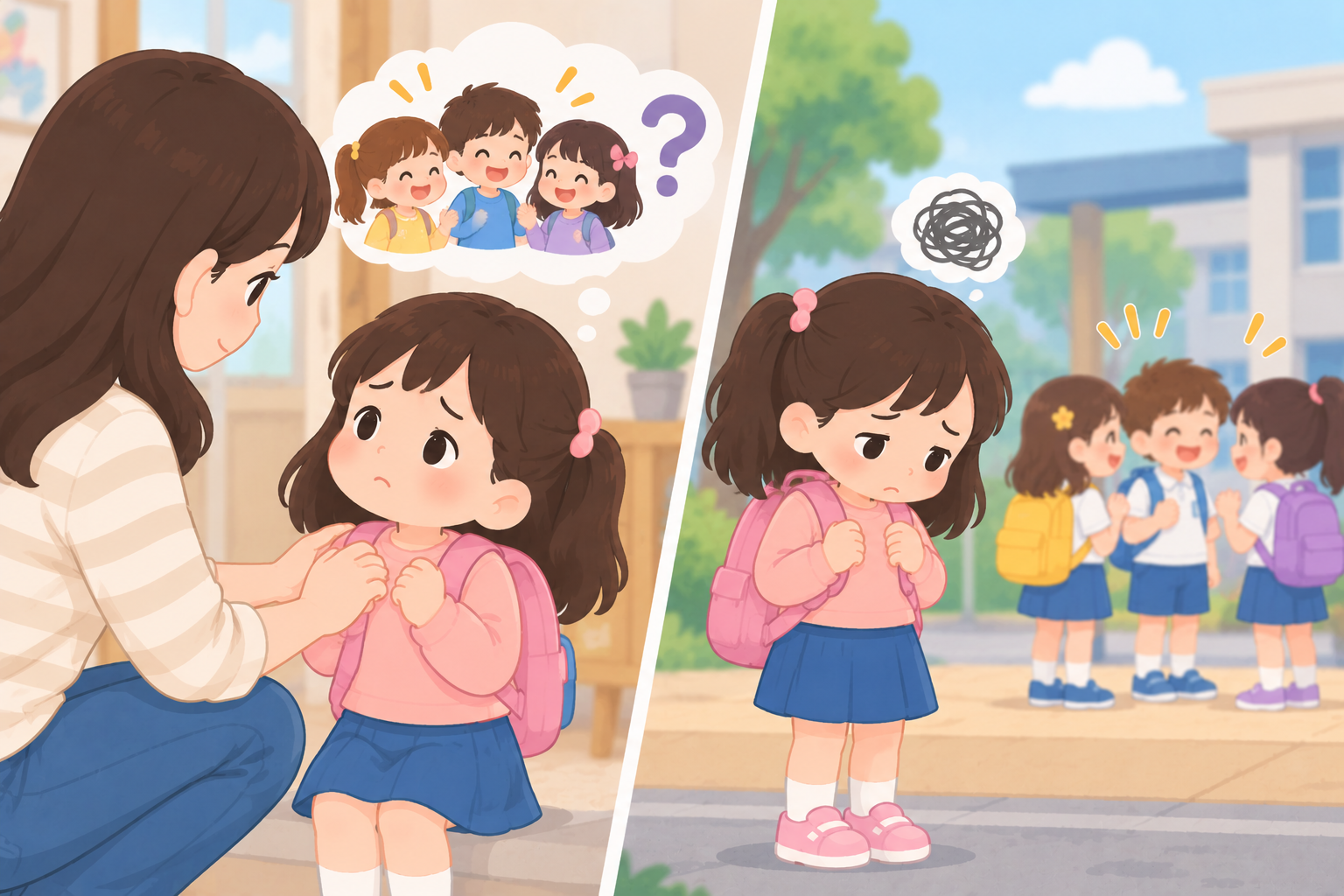
Social situations can feel overwhelming for some children, especially when they are worried about fitting in or making mistakes.
They may become anxious before an event, complain of discomfort, or feel upset after an interaction that did not go as expected.
For example, your child may repeatedly ask whether other children will like them before going to school or become discouraged after finding it difficult to join a conversation.
What Can Parents Do?
1. Give Your Child Time to Warm Up
✿ Avoid pressuring your child to interact immediately with unfamiliar people.
✿ Allow them time to observe and become comfortable with the environment.
✿ You can stay nearby initially and gradually encourage small interactions when they feel ready.
2. Encourage Small, Achievable Social Steps
✿ Start with manageable opportunities, such as greeting a familiar person, playing with one friend, or taking turns during a simple game.
✿ Recognise your child’s effort rather than expecting them to interact perfectly.
✿ Small successes can help build confidence over time.
3. Practise Social Situations Through Play
✿ Use pretend play to help your child practise common social interactions in a comfortable setting.
✿ For example, you can role-play how to introduce themselves, ask to join a game, or respond when another child asks a question.
✿ Practising these situations can help your child feel more prepared when similar experiences happen in real life.
4. Avoid Comparing Your Child With Others
✿ Every child develops social confidence at their own pace.
✿ Comparing your child with more outgoing siblings or peers may increase their worries about social situations.
✿ Instead, focus on your child’s individual progress and encourage them to take small steps forward without feeling pressured to behave like others.
5. Praise Effort, Not Just Outcomes
✿ Acknowledge your child’s attempts to interact, even when the interaction is brief or does not go as planned.
✿ For example, you can say, “I noticed you tried saying hello to your friend today. That was a good step.”
✿ This helps your child understand that trying is valuable, even when something feels difficult.
6. Model Positive Social Interactions
✿ Children learn by observing how adults communicate with others.
✿ Demonstrate simple social skills such as greeting people, asking questions, taking turns, and expressing feelings respectfully.
✿ You can also talk about your own experiences with nervousness and explain how you manage those feelings in everyday situations.
When Should Parents Seek Professional Advice?
❀ Shyness alone does not necessarily indicate a problem, and some children naturally prefer smaller groups or quieter environments.
❀ However, consider seeking professional advice if your child’s social difficulties:
1. Persist over time and do not improve with gentle support.
2. Interfere with friendships, school participation, or everyday activities.
3. Cause significant distress before or during social situations.
4. Lead to frequent avoidance of activities they would otherwise enjoy.
5. Make it difficult for them to communicate in certain settings despite being able to speak comfortably in others.
❀ A clinical psychologist can help explore whether anxiety, low self-confidence, or other emotional and developmental factors may be contributing to these difficulties.
❀ Depending on your child’s needs, additional support may be recommended.
Key Takeaway
❀ Social confidence is not about being outgoing or making friends with everyone.
❀ It is about helping children feel safe enough to express themselves, build relationships, and participate in social experiences at their own pace.
❀ If your child’s social difficulties persist or interfere with daily life, a clinical psychologist can help identify underlying concerns and recommend appropriate support to help your child develop social confidence.
❀ The goal is not simply to encourage children to interact more, but to help them build social confidence, develop positive relationships, and participate in social situations more comfortably and confidently.
🌟 Stay Connected with Us! We love sharing tips, insights, and inspiring stories about children’s growth and mental wellbeing.
💙 Follow us on Instagram and Facebook for more updates and parenting advice.
Join our community and let’s grow together. One positive step at a time!

References
American Academy of Pediatrics (HealthyChildren.org) – Shyness in Children
https://www.healthychildren.org/English/ages-stages/gradeschool/pages/Shyness-in-Children.aspx
American Speech-Language-Hearing Association (ASHA) – Components of Social Communication
Centers for Disease Control and Prevention (CDC) – Anxiety and Depression in Children
https://www.cdc.gov/children-mental-health/about/about-anxiety-and-depression-in-children.html
Working Hours
Tuesday to Saturday – 8.30am to 6pm
Monday & Sunday – Closed
Please also subscribe us at
Contact Us
Discover Our Team!
📞+60102502833
firststepdevelopmentcentre@gmail.com
B1-7, Plaza Damas 3, Jalan Sri Hartamas 1, 50480 Kuala Lumpur.
Copyright 2025. Firststep Child Development Sdn Bhd. All rights reserved.