



Why Does My Child Struggle to Follow Instructions? Understanding Receptive Language in Children
Does your child often need instructions repeated, seem unsure about what you are asking, or have difficulty following instructions with several steps?
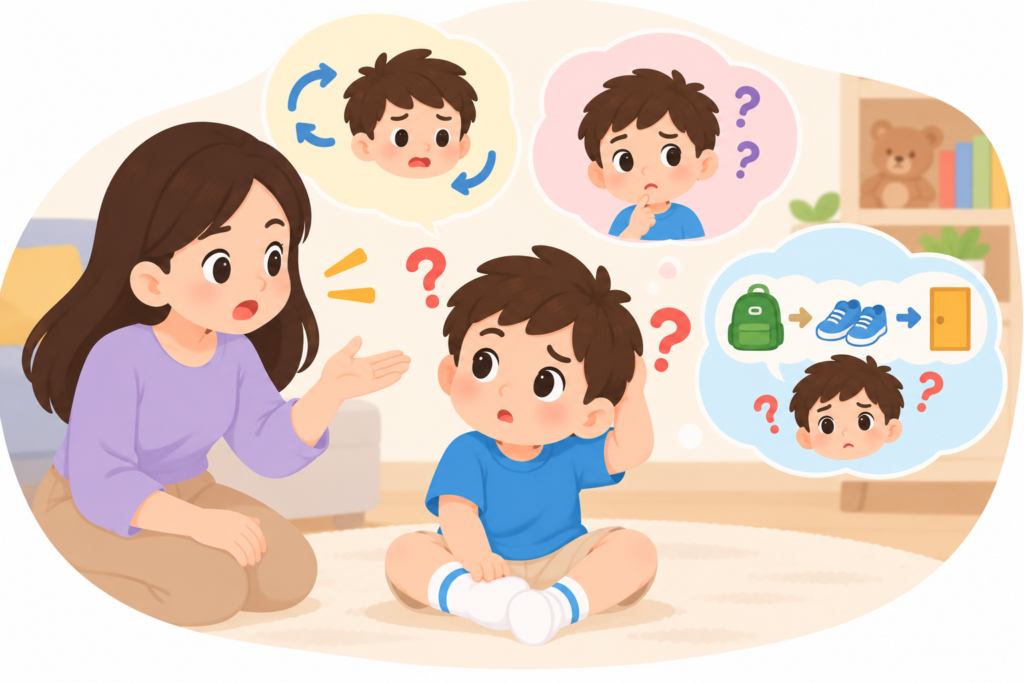
Children develop their understanding of language gradually.
It is normal for younger children to need instructions repeated or simplified, especially when they are learning new skills.
However, when difficulties with understanding language happen frequently and begin to affect your child’s learning, communication, routines, or everyday activities, it may be helpful to look more closely at their receptive language skills.
Understanding receptive language can help parents recognise when a child may need additional support.
What Is Receptive Language?
Receptive language refers to a child’s ability to understand and make sense of spoken or written language.
It includes understanding:
1. Words and their meanings
2. Questions
3. Instructions
4. Sentences
5. Concepts such as big/small, before/after, more/less
6. Conversations and explanations
7. Information appropriate for their age
For example, a child may be able to speak in sentences but still have difficulty understanding longer instructions or unfamiliar words.
Receptive language skills develop over time, and children may understand simpler language before they are able to understand more complex instructions.
1. Needs Instructions Repeated Frequently
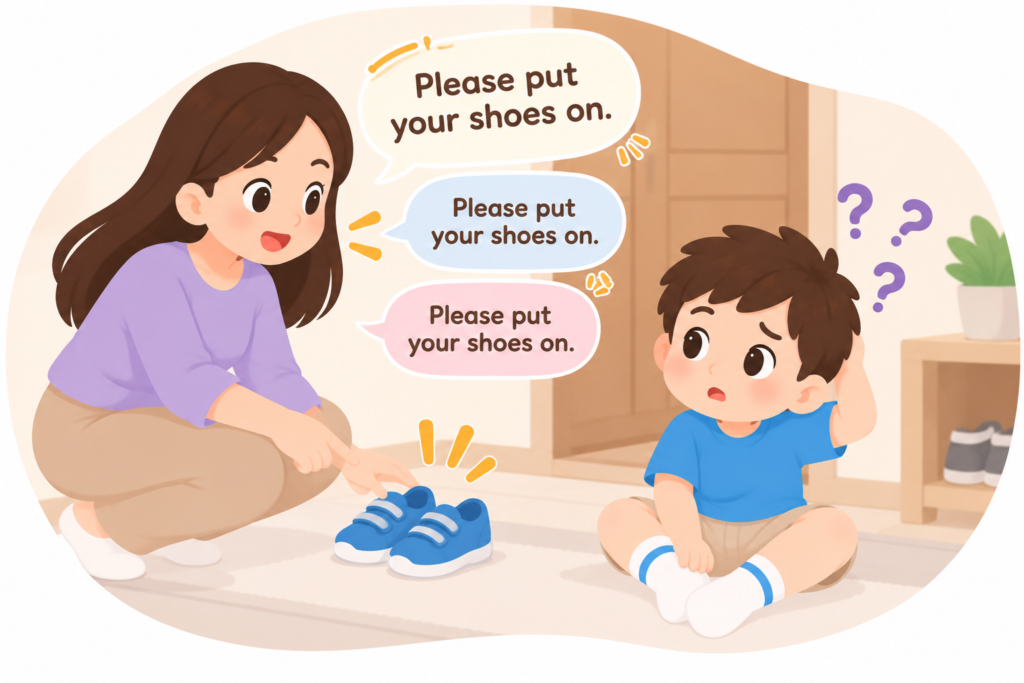
Your child may often need you to repeat what you have said before they can respond or complete a task.
For example:
“Please put your shoes on.”
You may need to repeat the instruction several times before your child starts.
This can sometimes happen because the instruction is too long, unfamiliar, or difficult for the child to understand.
2. Has Difficulty Following Multi-Step Instructions
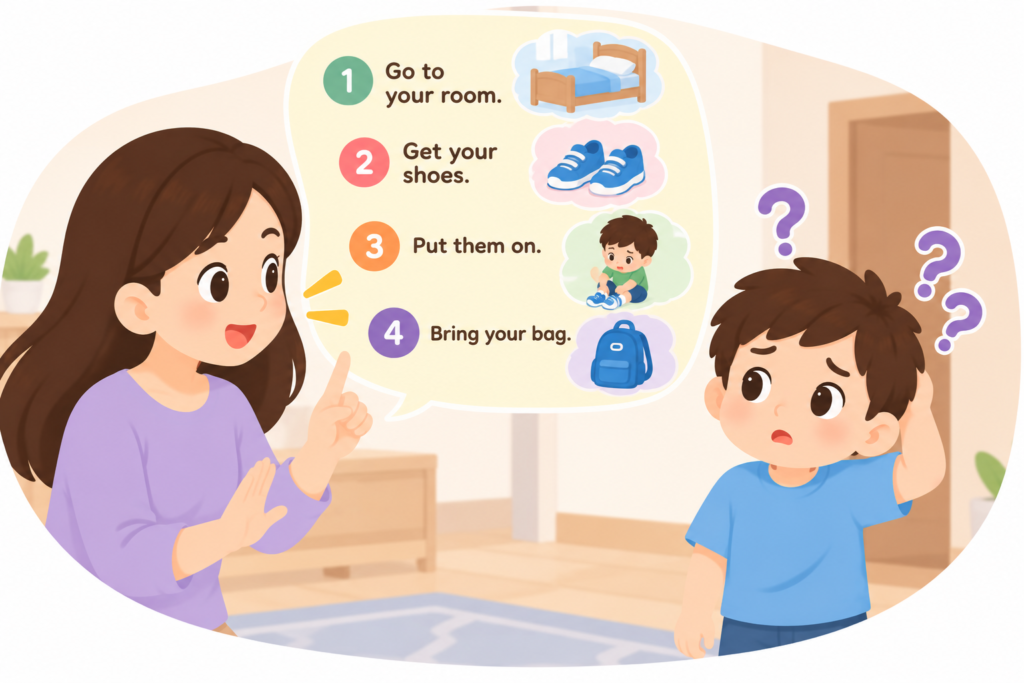
Your child may manage a simple instruction but struggle when several steps are given together.
For example:
“Go to your room, get your shoes, put them on, and bring your bag.”
They may complete the first step but forget or become unsure about what to do next.
3. Struggles With Questions
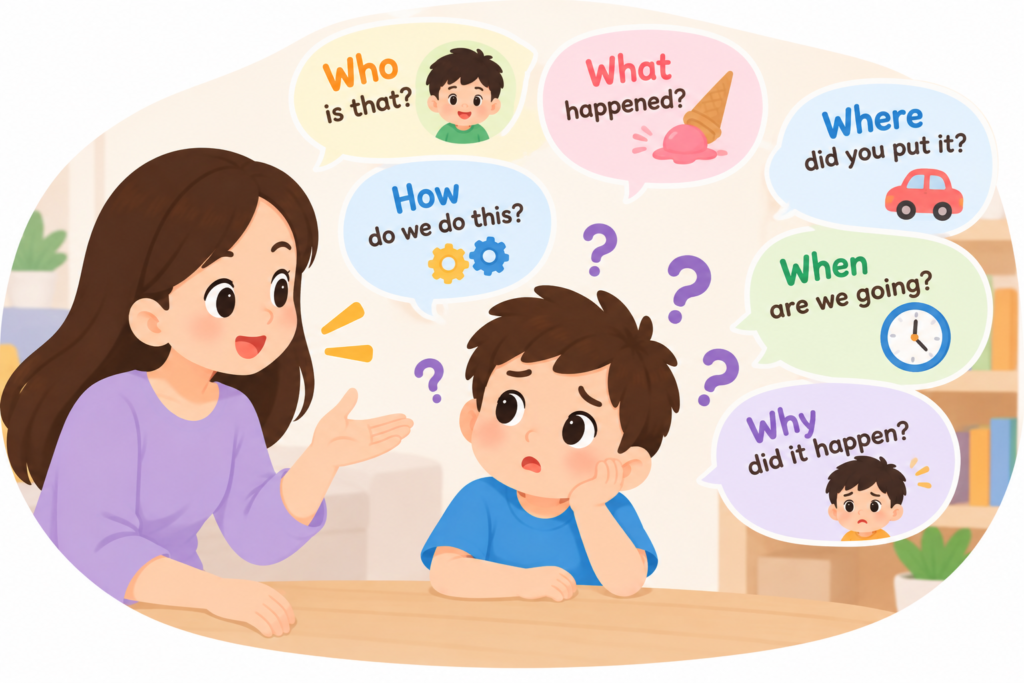
Your child may have difficulty understanding or responding appropriately to questions.
You may notice difficulty with questions such as:
- Who is that?
- What happened?
- Where did you put it?
- When are we going?
- Why did it happen?
- How do we do this?
They may answer with something unrelated or repeat part of the question.
4. Has Difficulty Understanding New Words
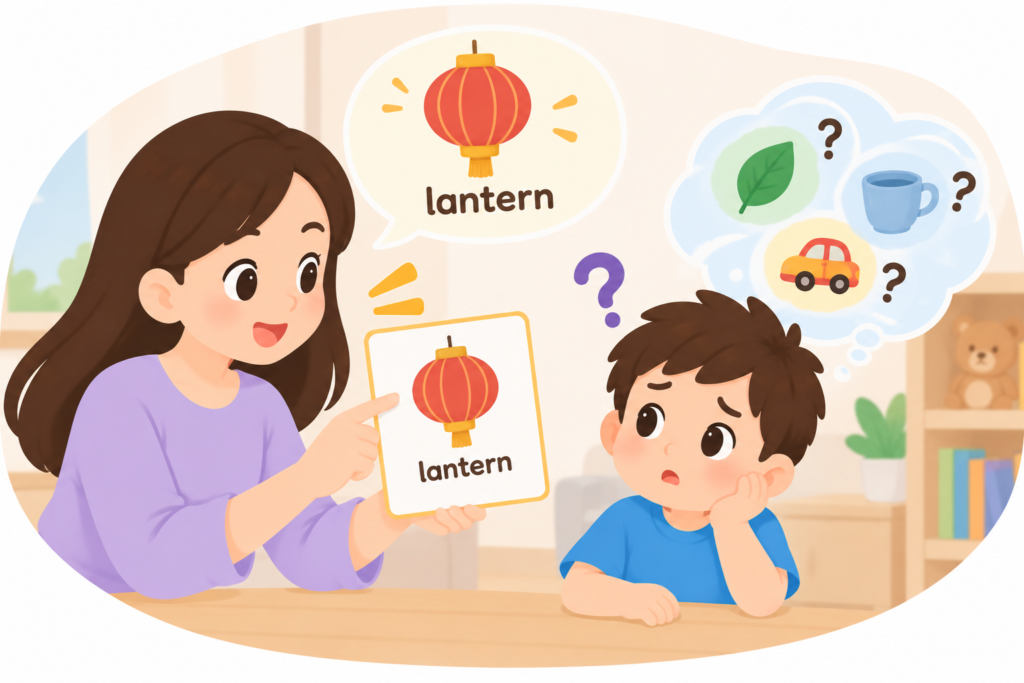
Your child may understand familiar everyday words but struggle when they hear new or less familiar vocabulary.
For example, they may understand:
“Put the cup on the table.”
but have difficulty when you introduce unfamiliar words or more detailed descriptions.
You may also notice that they rely heavily on gestures or watching others to understand what is expected.
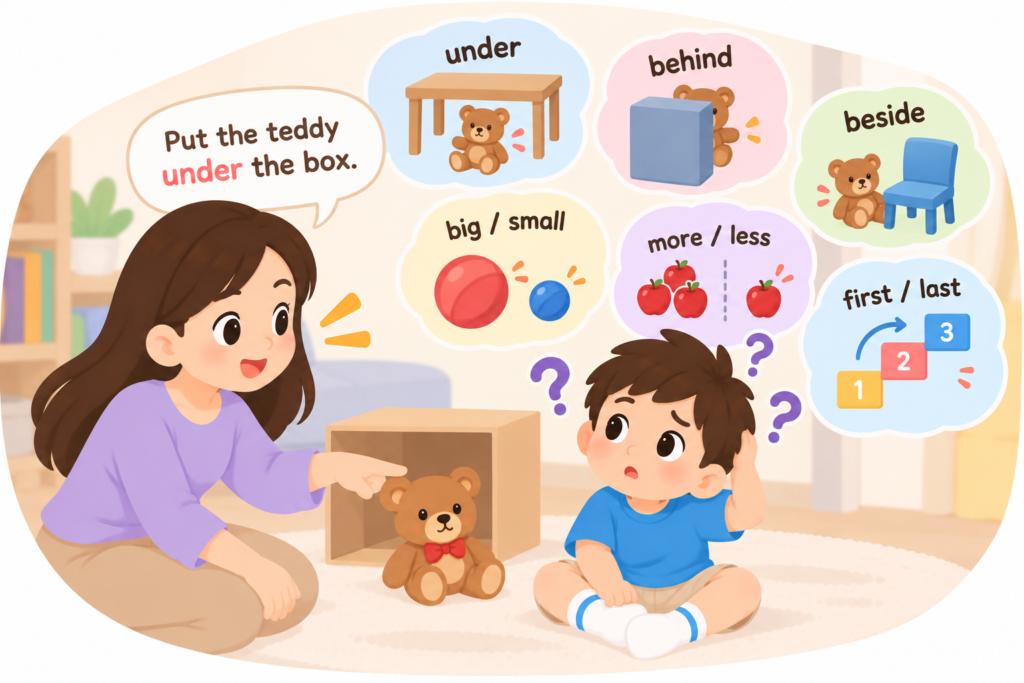
5. Finds Concepts and Directions Difficult
Some children may have difficulty understanding concepts involving:
- Before / after
- First / last
- Big / small
- More / less
- Under / behind / beside
- Same / different
They may also find it difficult to follow directions involving several concepts at once.
6. Has Difficulty Understanding Conversations or Stories
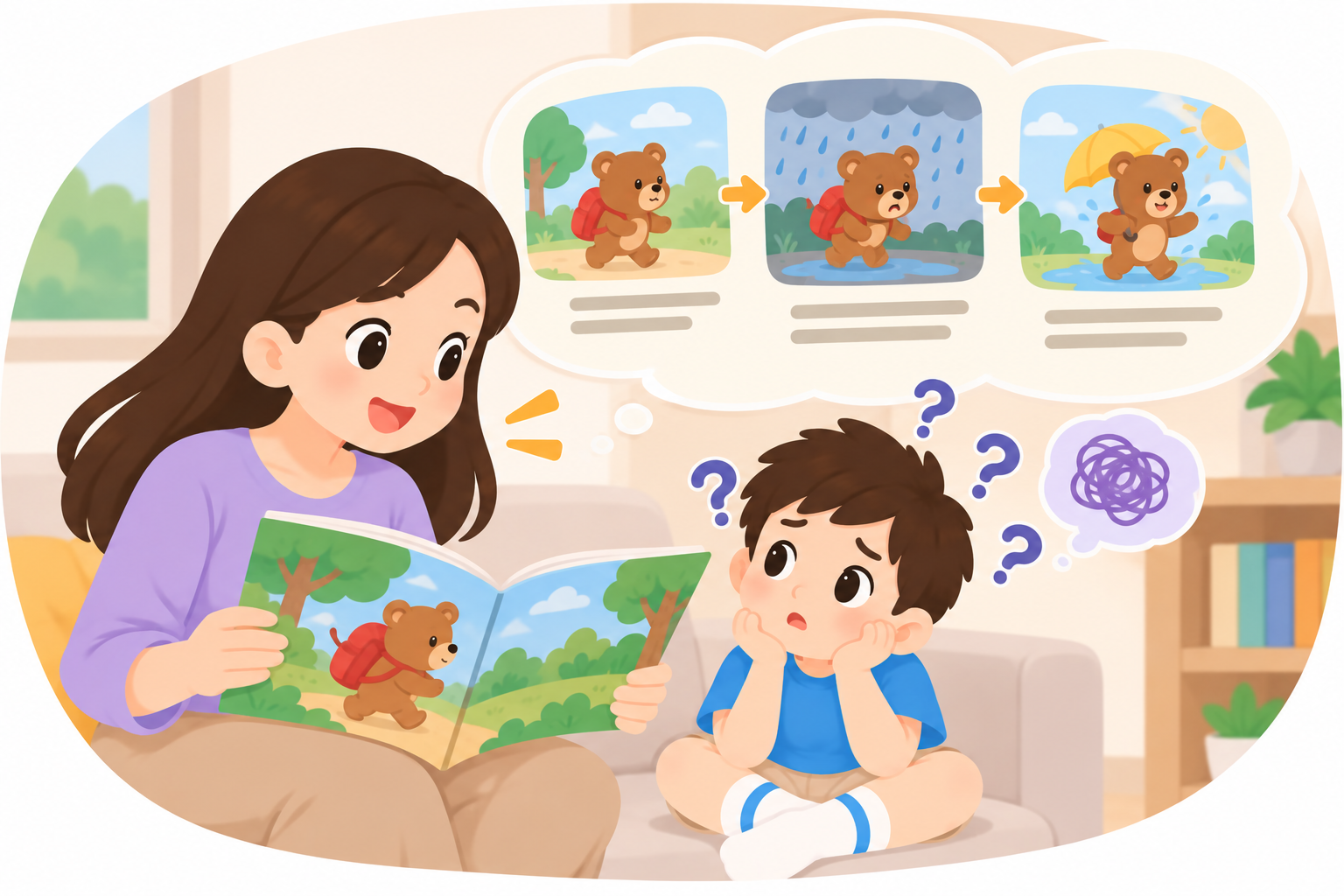
Your child may find it difficult to follow what is happening during a conversation, story, or explanation.
You may notice that they:
- Lose track of what someone is saying
- Ask for information to be repeated
- Give unrelated answers
- Have difficulty retelling a story
- Miss important details
- Seem unsure about what happened
This may become more noticeable as language becomes more complex at home or in school.
What Can Parents Do?
1. Give Short and Clear Instructions
✿ Break instructions into smaller steps rather than giving too much information at once.
✿ Instead of:
“Go upstairs, get your shoes, put them on, and bring your bag downstairs.”
✿ Try:
“Let’s get your shoes first.”
✿ Once your child completes that step, give the next instruction.
2. Use Visuals and Gestures
✿ Support spoken instructions with pictures, gestures, objects, or demonstrations when appropriate.
✿ For example, when asking your child to put on their shoes, you can point toward the shoes while giving the instruction.
✿ Visual support can make it easier for children to understand what is expected.
3. Give Your Child Time to Process
✿ After giving an instruction or asking a question, allow your child some time to understand and respond.
✿ Try not to immediately repeat the instruction several times.
✿ Give them a moment to listen, process, and respond.
4. Check Understanding
✿ Instead of simply asking:
“Do you understand?”
you can ask your child to show or tell you what they need to do.
✿ For example:
“What are you going to do first?”
✿ This can help you understand whether they have understood the instruction.
5. Teach New Words Through Everyday Activities
✿ Introduce new vocabulary naturally during:
1. Reading books
2. Cooking
3. Bath time
4. Grocery shopping
5. Pretend play
6. Outdoor activities
✿ For example, while playing with toys, you can introduce words such as under, beside, behind, between, and above.
✿ You can also repeat the words naturally as your child plays and interacts with you.
6. Read and Talk About Stories Together
✿ Shared reading provides opportunities to help your child understand what is happening in a story.
✿ Ask simple questions about the story and encourage your child to talk about what they understand.
✿ For example:
“What happened first?”
“Where did the boy go?”
“Why was he sad?”
✿ You can also ask your child to point to a picture or show you what happened if they find it difficult to answer verbally.
✿ Keep the conversation enjoyable rather than turning it into a test.
When Should Parents Seek Professional Advice?
❀ Consider seeking professional advice if your child’s difficulty understanding language is persistent or affecting their learning, communication, routines, or everyday activities.
❀ Parents can consider speaking with a Speech-Language Therapist, who can assess your child’s receptive language skills and look at how they understand words, instructions, questions, concepts, and conversations.
❀ A Speech-Language Therapist can also help determine whether your child’s difficulties are related to receptive language or whether further assessment may be helpful.
Key Takeaway
❀ Receptive language is a child’s ability to understand and make sense of language.
❀ Difficulties may appear as trouble following instructions, understanding questions, learning new words, understanding concepts, or following conversations and stories.
❀ Occasionally needing instructions repeated is common, especially when children are tired, distracted, or learning something new.
❀ However, persistent difficulties with understanding language may affect how a child learns and communicates.
❀ If concerns persist or affect your child’s daily life or learning, a Speech-Language Therapist can assess their receptive language skills and recommend appropriate support.
❀ The goal is not simply to get your child to follow instructions, but to help them understand language more confidently and use that understanding across everyday situations.
🌟 Stay Connected with Us! We love sharing tips, insights, and inspiring stories about children’s growth and mental wellbeing.
💙 Follow us on Instagram and Facebook for more updates and parenting advice.
Join our community and let’s grow together. One positive step at a time!

References
American Speech-Language-Hearing Association. (n.d.). Spoken language disorders.
https://www.asha.org/practice-portal/clinical-topics/spoken-language-disorders/
Centers for Disease Control and Prevention. (2026). Milestones by 4 years.
https://www.cdc.gov/act-early/milestones/4-years.html
National Institute on Deafness and Other Communication Disorders. (2022). Speech and language developmental milestones.
Working Hours
Tuesday to Saturday – 8.30am to 6pm
Monday & Sunday – Closed
Please also subscribe us at
Contact Us
Discover Our Team!
📞+60102502833
firststepdevelopmentcentre@gmail.com
B1-7, Plaza Damas 3, Jalan Sri Hartamas 1, 50480 Kuala Lumpur.
Copyright 2025. Firststep Child Development Sdn Bhd. All rights reserved.