



Peer Relationships in Children: 6 Signs Your Child May Struggle With Friendships
Does your child find it difficult to make friends, join other children in play, or know how to keep a friendship going?
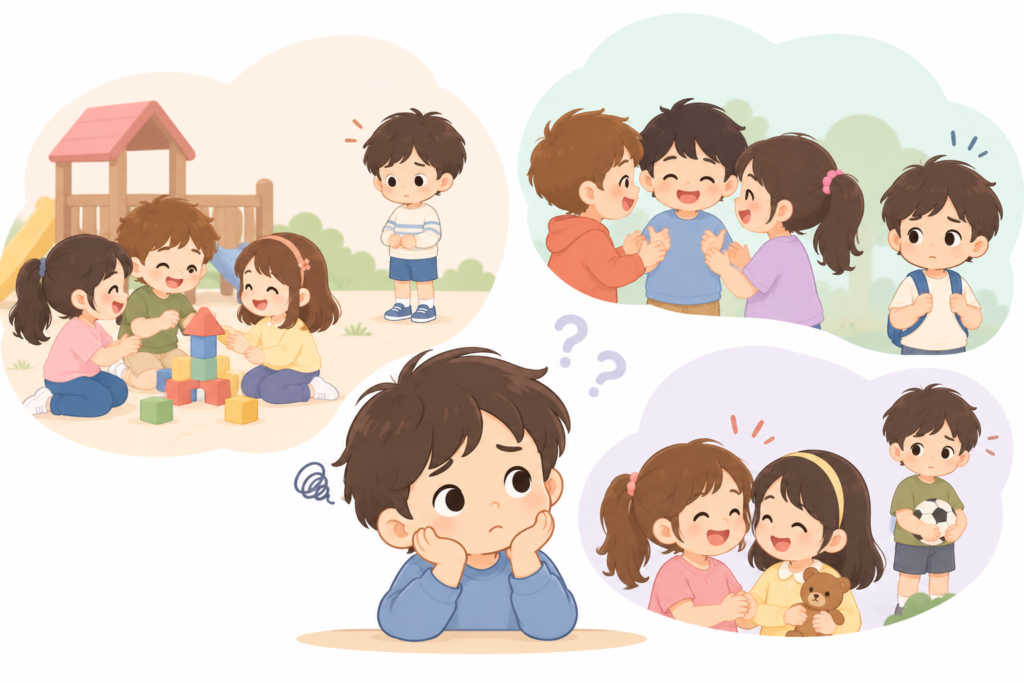
Peer relationships in children play an important role in social development.
Through friendships, children learn how to communicate, share, cooperate, solve problems, manage disagreements, and understand other people’s feelings.
While some children naturally make friends easily, others may need more time and support to develop these skills.
Difficulties with peer relationships do not simply mean that a child is shy.
A child may want to make friends but struggle to know how to approach others, join play, or respond during social interactions.
Recognising the signs can help parents understand when a child may need additional support with their social development.
What Are Peer Relationships?
Peer relationships are the connections children develop with other children of a similar age.
These relationships can include friendships, play interactions, and everyday social experiences at school, childcare, or other activities.
Through peer interactions, children learn important social skills such as taking turns, sharing, cooperating, communicating, solving conflicts, and responding to other people’s feelings and ideas.
Children develop these skills at different rates.
However, persistent difficulties with making or maintaining friendships may indicate that a child needs additional support with their social development.
1. Has Difficulty Approaching Other Children or Joining Group Play
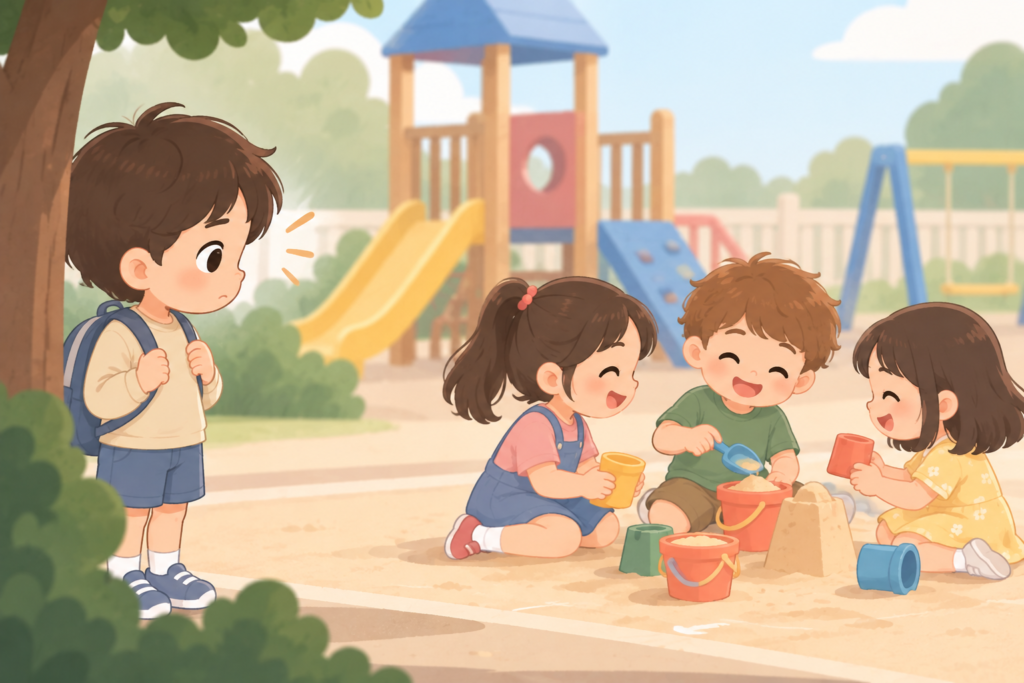
Your child may want to play with other children but seem unsure about how to approach them or start an interaction.
For example, your child may watch other children playing but remain nearby without knowing how to ask, “Can I play too?”
2. Struggles With Sharing and Taking Turns
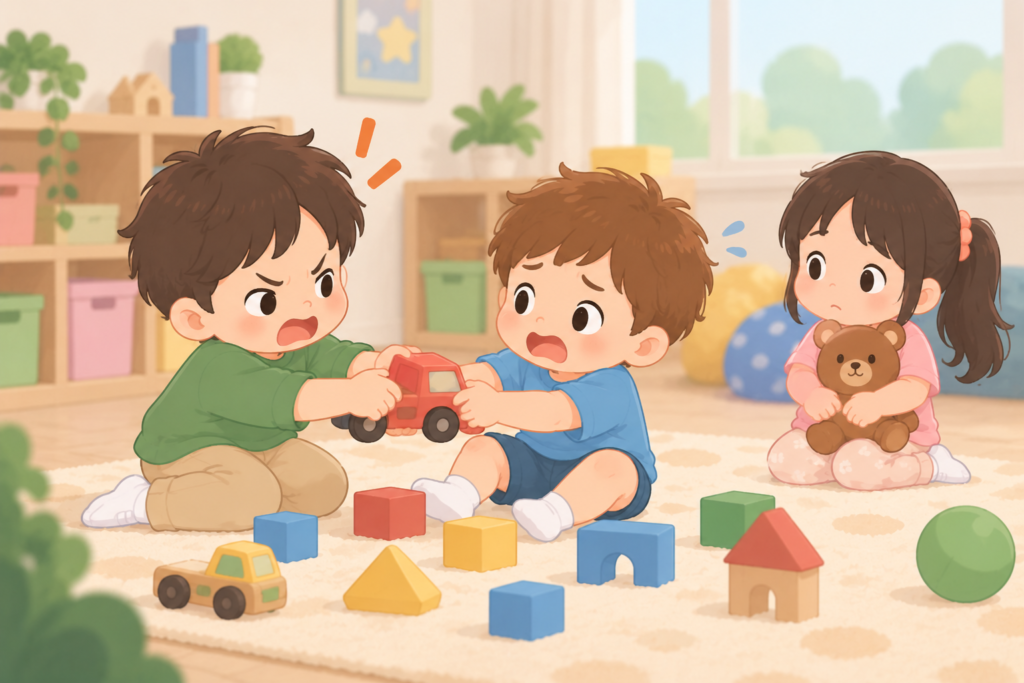
Sharing and taking turns are important parts of playing with others.
Children who struggle with these skills may become upset when another child uses their toy or when they have to wait.
For example, your child may grab a toy from another child because they find it difficult to wait for their turn.
3. Has Difficulty Maintaining Conversations With Peers
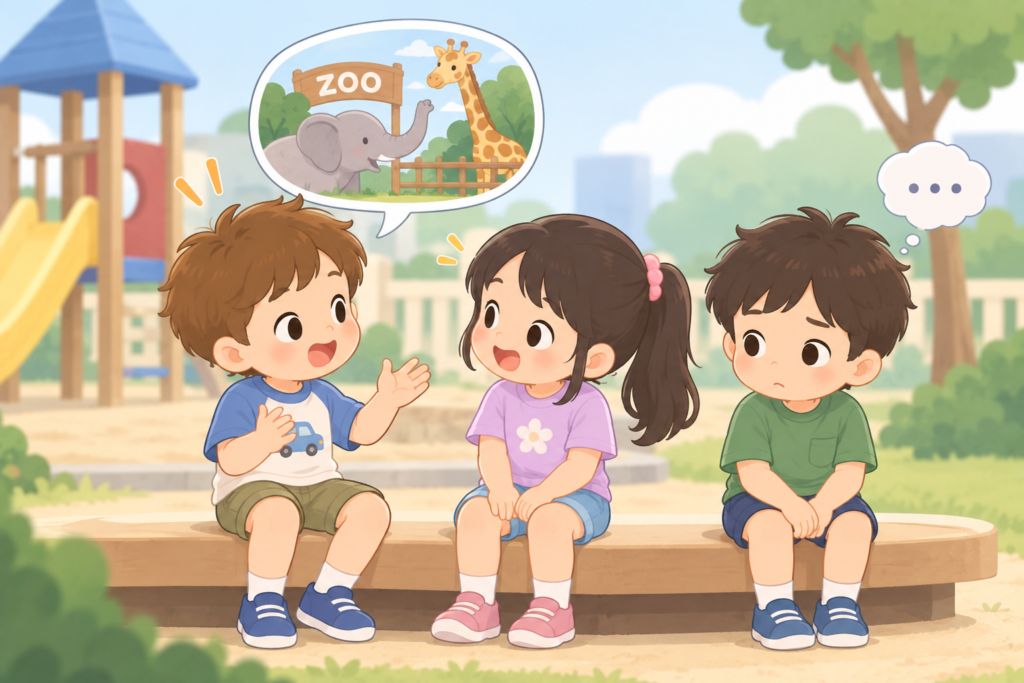
Your child may find it difficult to keep a conversation going with other children.
They may talk mainly about their own interests, give very short responses, or have difficulty asking questions and responding to what another child says.
For example, another child may say, “I went to the zoo yesterday,” but your child may not know how to respond or continue the conversation.
4. Finds It Difficult to Handle Disagreements
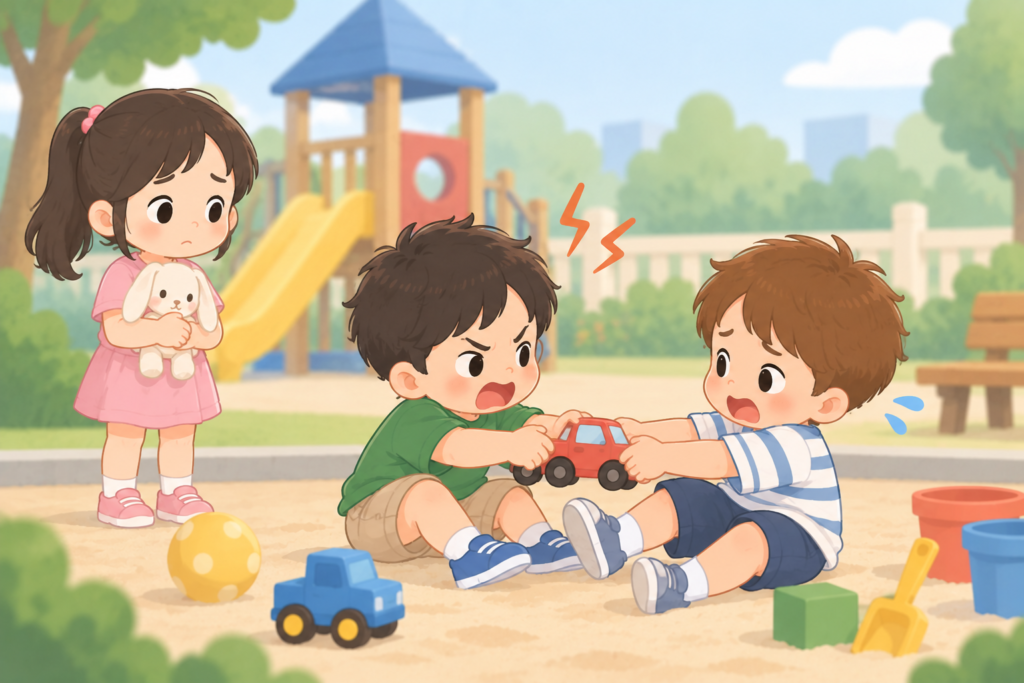
Friendships naturally involve disagreements.
Some children may struggle to manage these situations calmly.
For example, your child may become very upset when another child does not want to play the same game or disagrees about the rules.
5. Has Difficulty Making or Maintaining Friendships
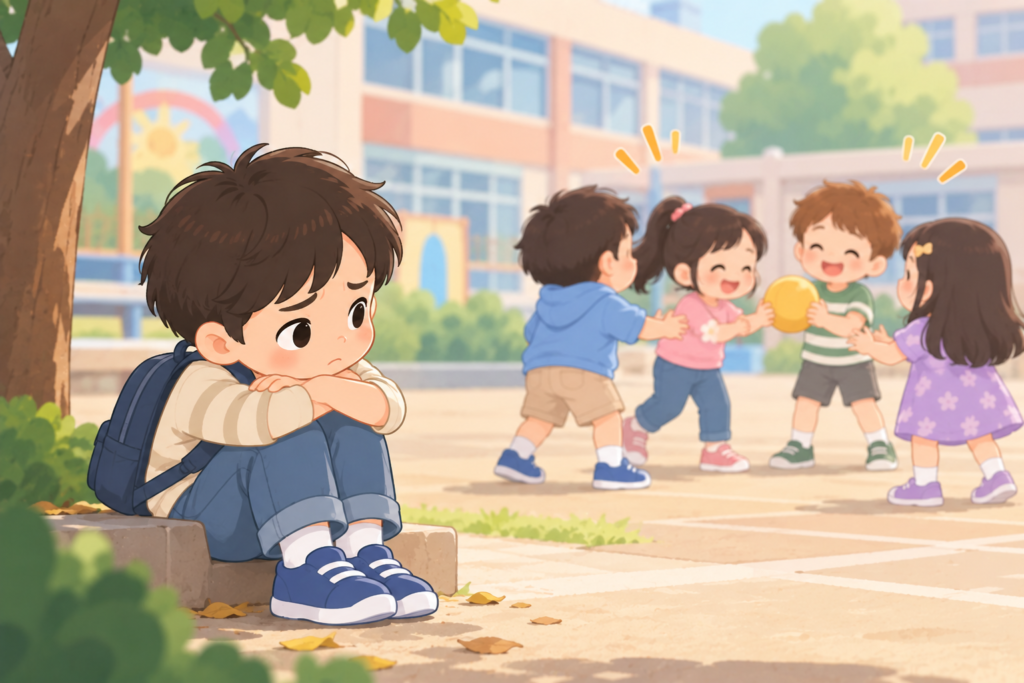
Your child may have difficulty developing consistent friendships or may often end up playing alone despite wanting to interact with other children.
For example, your child may frequently say they have no one to play with at school or have difficulty being included in group activities.
6. Is Reluctant to Share School Experiences
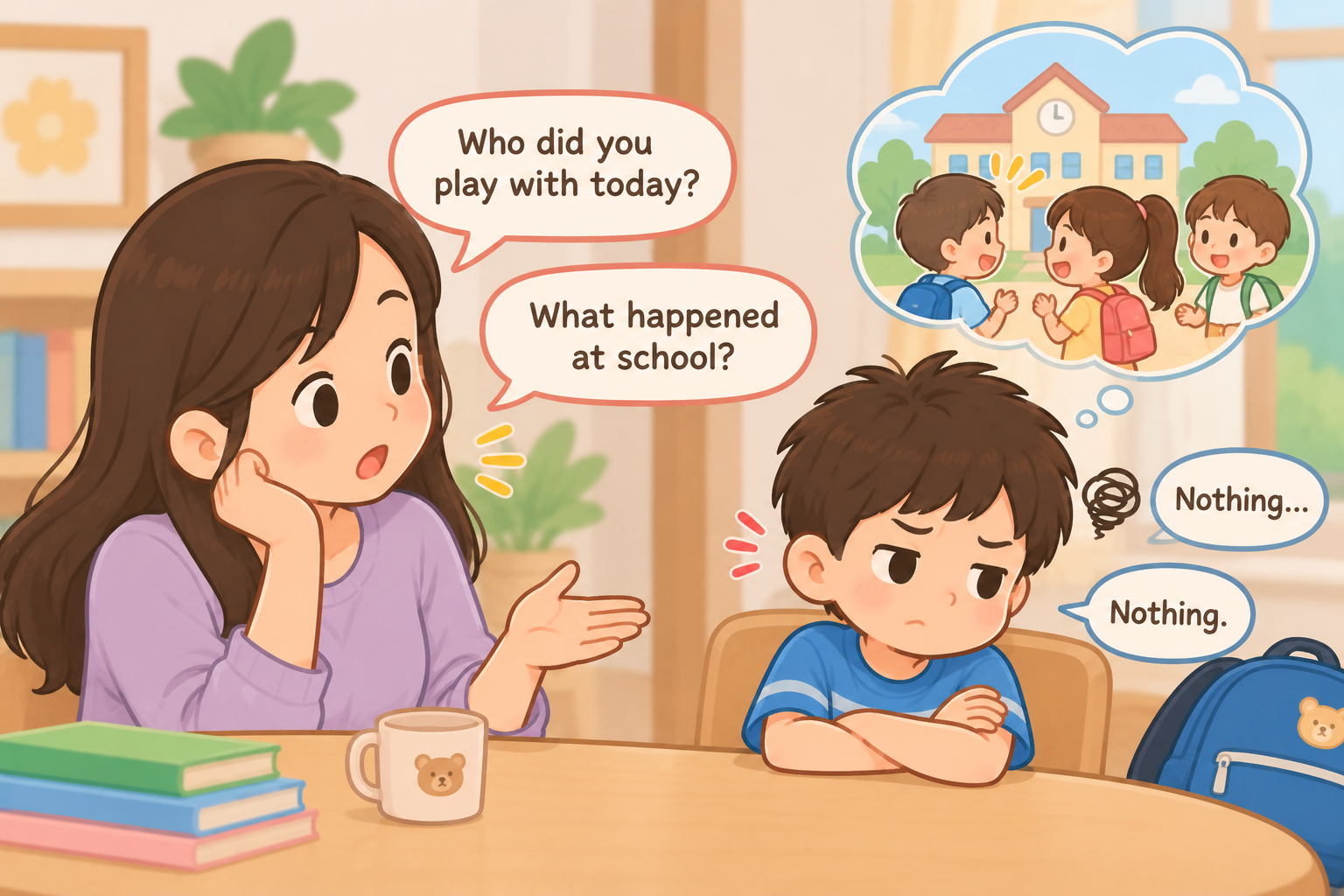
Your child may be reluctant to talk about their day at school, their friends, or experiences involving other children, even when you ask them about it.
For example, when you ask, “Who did you play with today?” or “What happened at school?”, your child may repeatedly respond with “Nothing” or avoid discussing their experiences.
This may have many explanations, so it is helpful to gently explore how your child feels about school and their interactions with peers rather than assuming they are experiencing difficulties.
What Can Parents Do?
1. Practise Social Skills Through Everyday Play
✿ Use pretend play, board games, or simple activities to practise skills such as greeting others, asking to join a game, taking turns, and sharing.
✿ For example, you can role-play:
“Can I play with you?”
“Can I have a turn after you?”
2. Arrange Small Play Opportunities
✿ For some children, interacting with one child at a time may feel easier than joining a large group.
✿ Arrange short playdates or activities with a familiar child and choose activities that encourage cooperation and turn-taking.
3. Teach Your Child How to Join Play
✿ Children may want to join others but not know what to say or do.
✿ You can teach simple ways to approach a group, such as watching what the children are doing, moving closer, and asking, “Can I play too?”
4. Encourage Turn-Taking and Sharing
✿ Use games and everyday activities to practise waiting, sharing, and taking turns.
✿ Praise your child when they wait patiently or allow another person to have a turn.
5. Help Your Child Understand Other People’s Feelings
✿ Talk about how other children may feel during everyday situations.
✿ For example, you can ask:
“How do you think she feels when nobody lets her play?”
✿ This can help children begin to notice and think about other people’s feelings and perspectives.
6. Support Your Child During Social Conflicts
✿ When disagreements happen, help your child understand what happened and think about possible solutions.
✿ Instead of immediately solving the problem for them, guide them with questions such as:
“What happened?”
“How do you think your friend feels?”
“What could you say to your friend?”
✿ This helps children gradually learn how to manage social problems more independently.
When Should Parents Seek Professional Advice?
❀ Consider seeking professional guidance if difficulties with peer relationships in children persist over time or begin to affect your child’s friendships, school participation, or everyday social activities.
❀ In particular, it may be helpful to seek support if your child:
1. Persist over time despite support and encouragement.
2. Make it difficult for them to form or maintain friendships.
3. Affect participation in school or group activities.
4. Frequently lead to conflict, frustration, or emotional distress.
5. Cause your child to avoid social situations despite wanting to interact with others.
6. Significantly affect their everyday social functioning.
❀ A clinical psychologist can help assess emotional, behavioural, and social development and identify factors that may be affecting your child’s peer relationships.
❀ A Speech-Language Therapist may also be involved when difficulties with social communication, conversation, or understanding language contribute to the child’s challenges.
❀ Early support can help children develop the social and communication skills they need to build more positive and meaningful relationships with their peers.
Key Takeaway
❀ Making friends involves more than simply being around other children.
❀ Children need to learn how to approach others, join play, communicate, take turns, share, manage disagreements, and understand other people’s feelings.
❀ If your child continues to struggle with peer relationships or these difficulties affect their everyday life, professional support can help identify their needs and guide appropriate intervention.
❀ The goal is not simply to encourage children to make more friends, but to help them develop the social skills they need to build and maintain positive relationships with their peers.
🌟 Stay Connected with Us! We love sharing tips, insights, and inspiring stories about children’s growth and mental wellbeing.
💙 Follow us on Instagram and Facebook for more updates and parenting advice.
Join our community and let’s grow together. One positive step at a time!

References
American Academy of Pediatrics (HealthyChildren.org) – What Parents Can Do to Support Friendships
What Parents Can Do to Support Friendships
American Academy of Pediatrics (HealthyChildren.org) – Problems With Peers: How to Help Your Child Navigate Social Challenges
Problems With Peers: How to Help Your Child Navigate Social Challenges
American Academy of Pediatrics (HealthyChildren.org) – Social Development in Preschoolers: Learning How to Share & Cooperate
Social Development in Preschoolers: Learning How to Share & Cooperate
Working Hours
Tuesday to Saturday – 8.30am to 6pm
Monday & Sunday – Closed
Please also subscribe us at
Contact Us
Discover Our Team!
📞+60102502833
firststepdevelopmentcentre@gmail.com
B1-7, Plaza Damas 3, Jalan Sri Hartamas 1, 50480 Kuala Lumpur.
Copyright 2025. Firststep Child Development Sdn Bhd. All rights reserved.