



Early Signs of Autism in Toddlers: 10 Signs Parents Should Not Ignore
Many parents wonder: “Is my child just developing at their own pace, or could this be autism?”
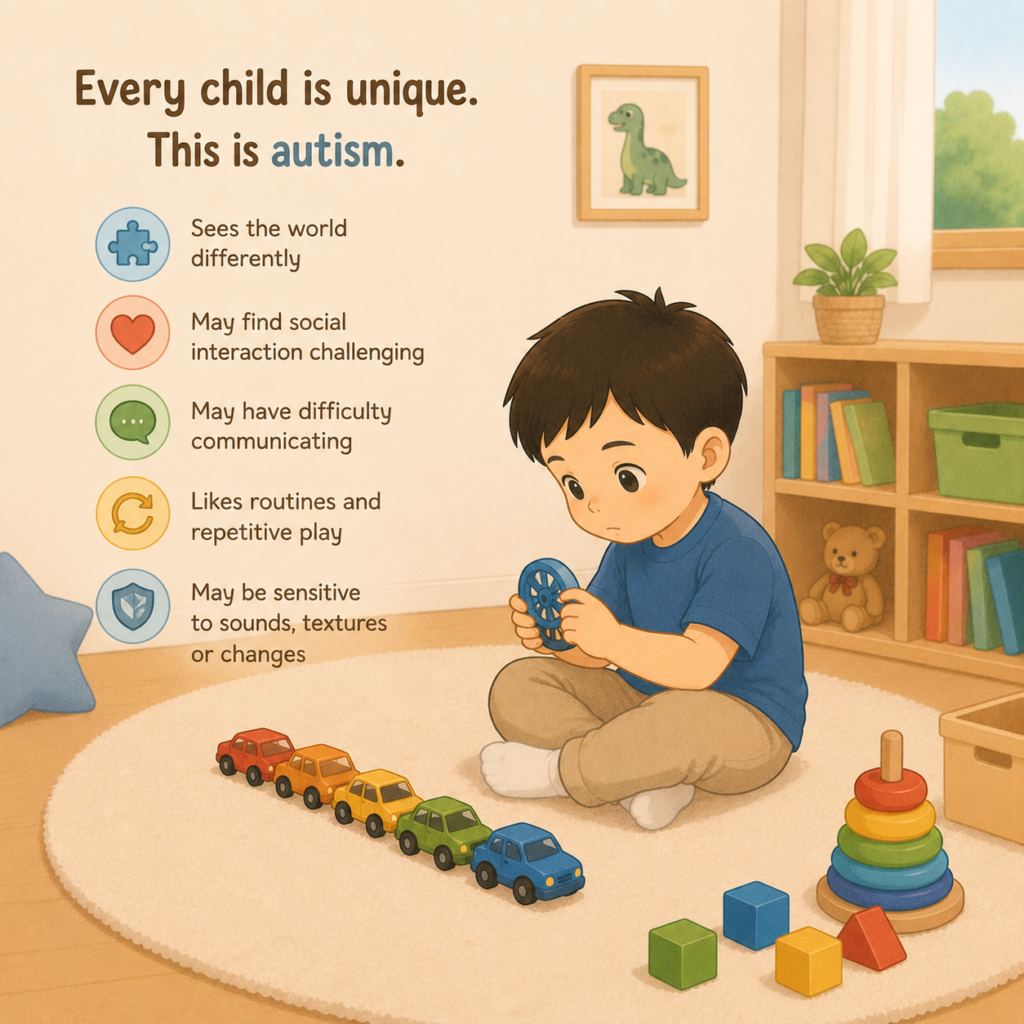
Every child develops differently. Some children start talking later, while others may be naturally shy or prefer playing alone.
However, when several developmental differences appear together and persist over time, they may be early signs of Autism Spectrum Disorder (ASD).
Recognising these signs early allows children to receive appropriate support as soon as possible. Early intervention has been shown to improve communication, learning, social skills, and independence.
The earlier a child receives support, the easier it can be to build the skills they need for success at home, at school, and in everyday life.
Understanding the early signs can help parents respond with clarity, support, and the right intervention at the right time.
What is Autism?
Autism Spectrum Disorder (ASD) is a neurodevelopmental condition that affects how a child:
These include:
✿ Communicates
✿ Interacts with others
✿ Learns
✿ Behaves
✿ Processes sensory information
Autism is called a “spectrum” because every child is different.
Some children have mild difficulties, while others may require more support in daily life.
Autism is not caused by parenting, vaccines, or poor discipline. Research shows it is related to differences in early brain development.
1. Limited Eye Contact
Eye contact may vary depending on the child’s personality, but consistently avoiding eye contact alongside other developmental concerns deserves attention.
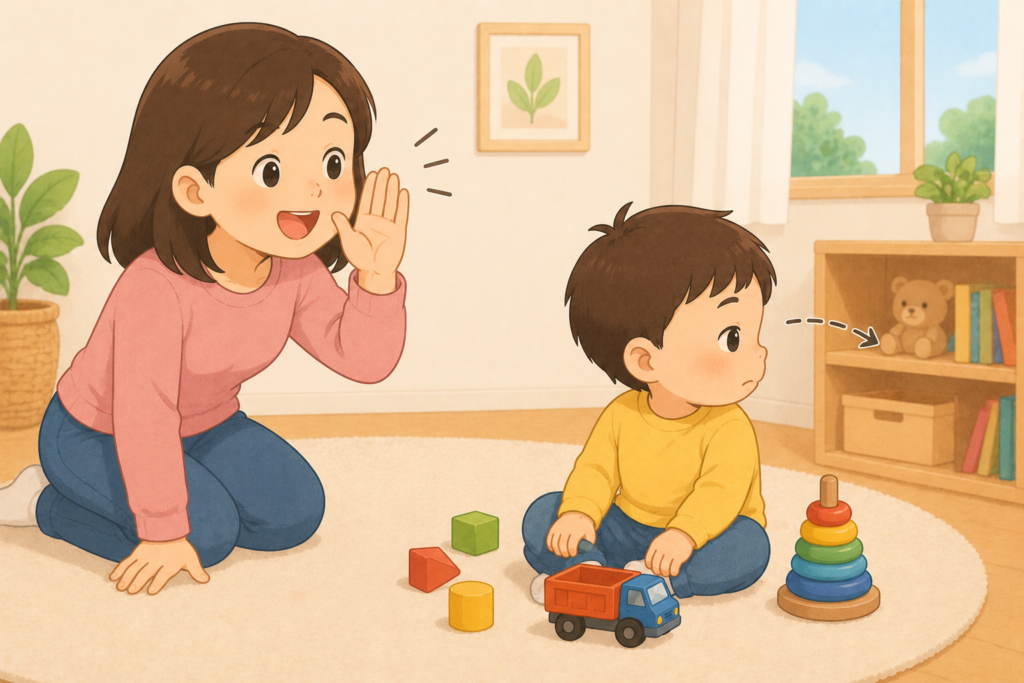
Children with autism may:
- Avoid eye contact
- Look briefly before looking away
- Rarely look at parents during play
- Not maintain eye contact during conversations
2. Doesn't Respond to Their Name
By around 9-12 months, many children begin responding consistently when their name is called.
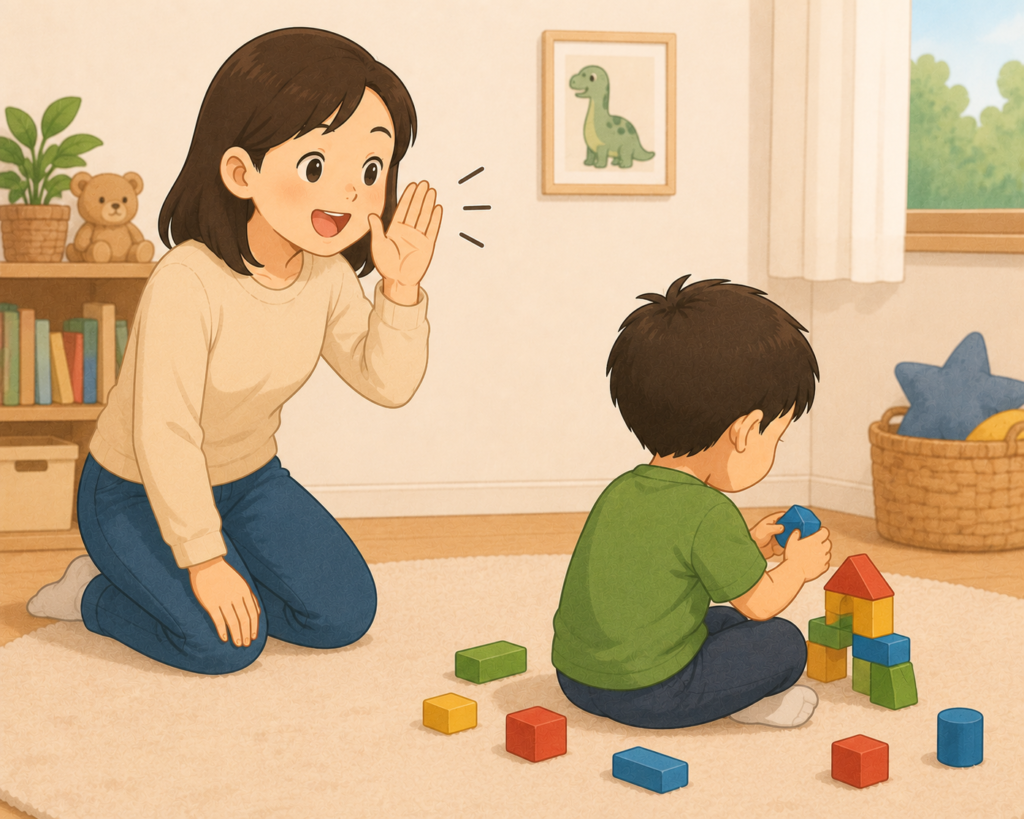
A child with autism may:
- Not turn when called
- Seem to ignore people
- Respond inconsistently
- Appear to be “in their own world”
Parents sometimes think their child has hearing problems, even though hearing tests are normal.
3. Delayed Speech or Language
Speech delay alone does not always mean autism, but combined with social differences, it should be evaluated.
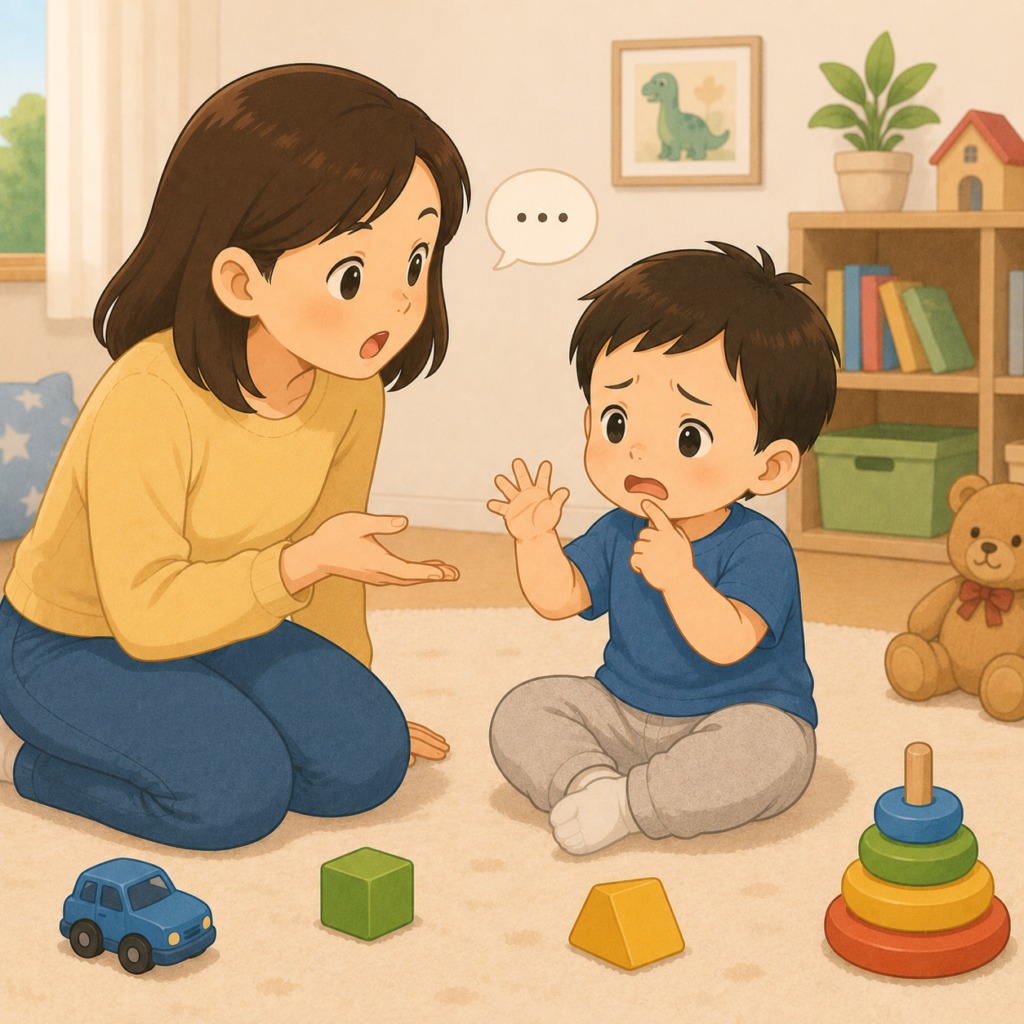
Some children with autism may:
- Say very few words
- Stop using words they previously knew
- Repeat phrases without understanding them (echolalia)
- Have difficulty expressing their needs
4. Limited Gestures or Pointing
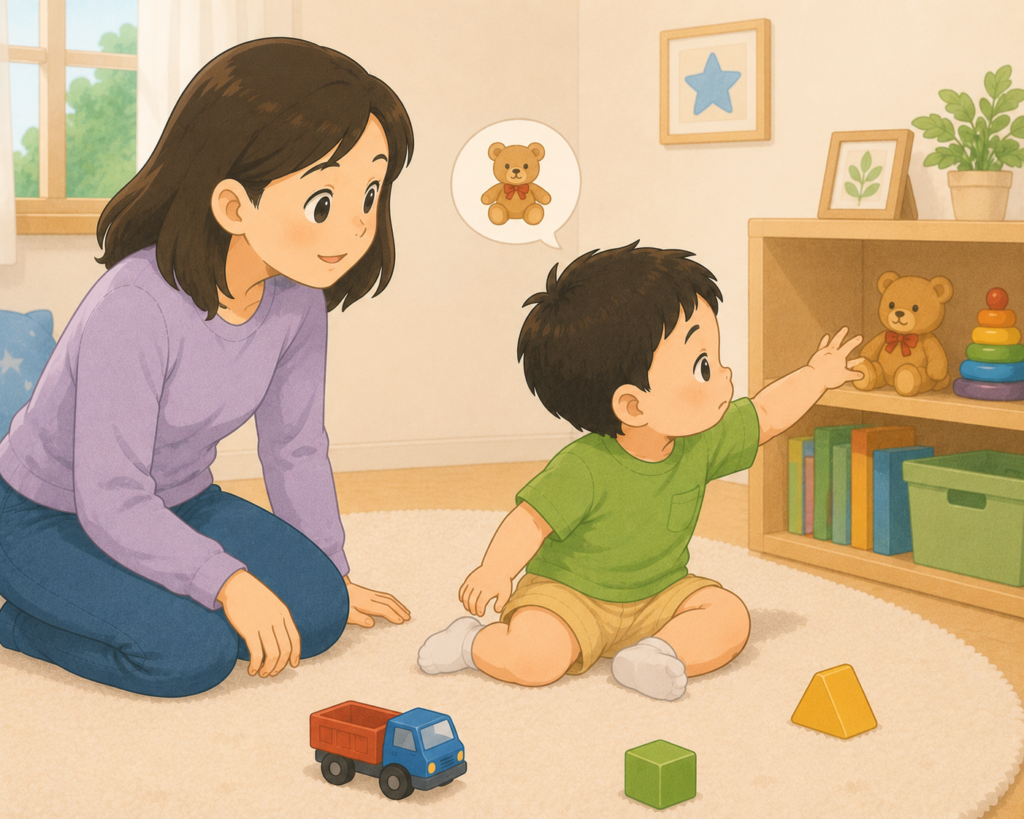
Children usually begin using gestures before they talk.
Examples include:
- Pointing to interesting objects
- Waving goodbye
- Clapping
- Nodding yes or no
Children with autism may use very few gestures or may pull an adult’s hand instead of pointing.
5. Prefers Playing Alone
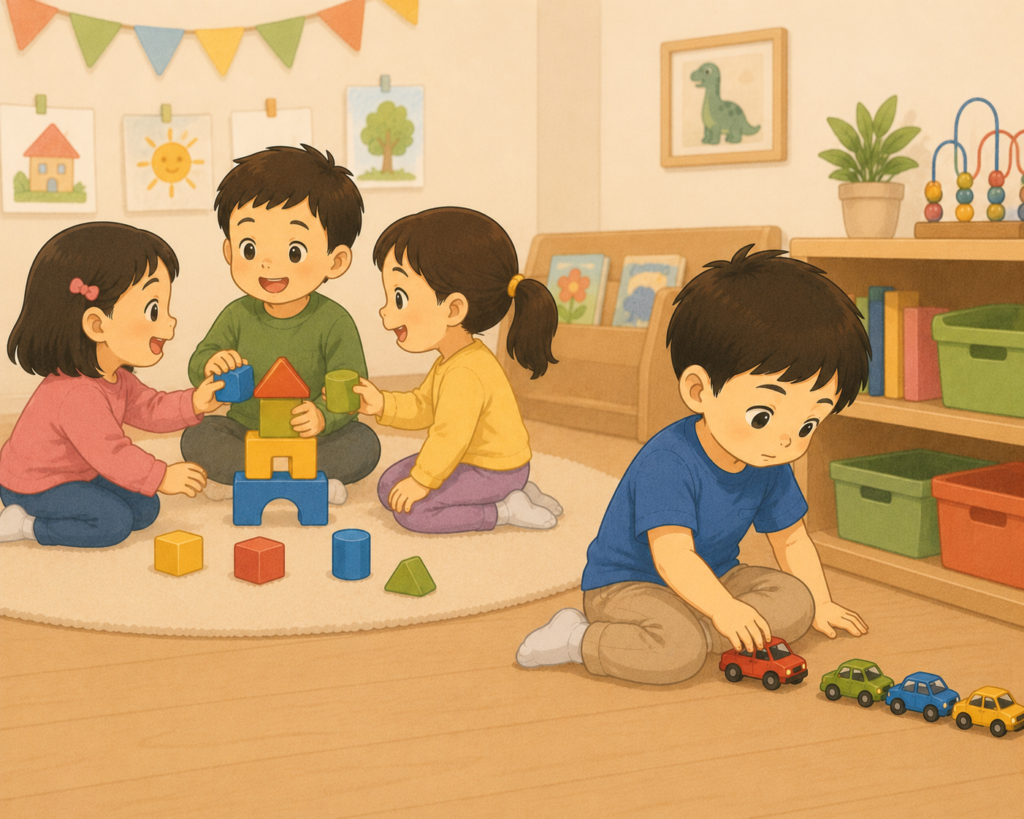
Some independent play is completely normal.
However, children with autism may:
- Rarely initiate play with others
- Prefer objects over people
- Show little interest in interactive games
- Not seek others to share enjoyment
6. Repetitive Behaviours
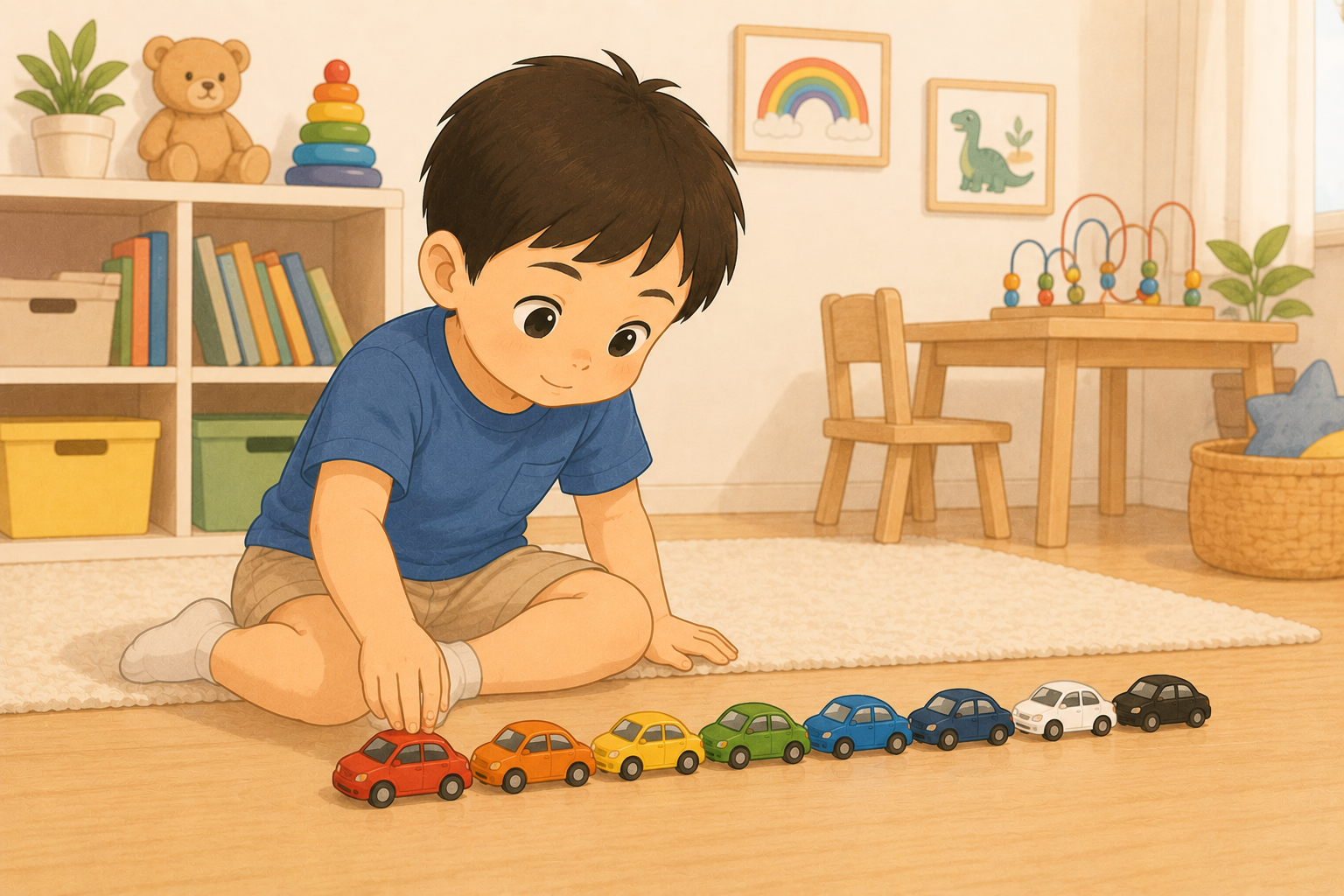
Common repetitive behaviours include:
- Lining up toys
- Hand flapping
- Rocking
- Spinning
- Repeating certain movements
- Repeating the same phrases
These behaviours help some children regulate emotions or sensory experiences.
7. Strong Need for Routine
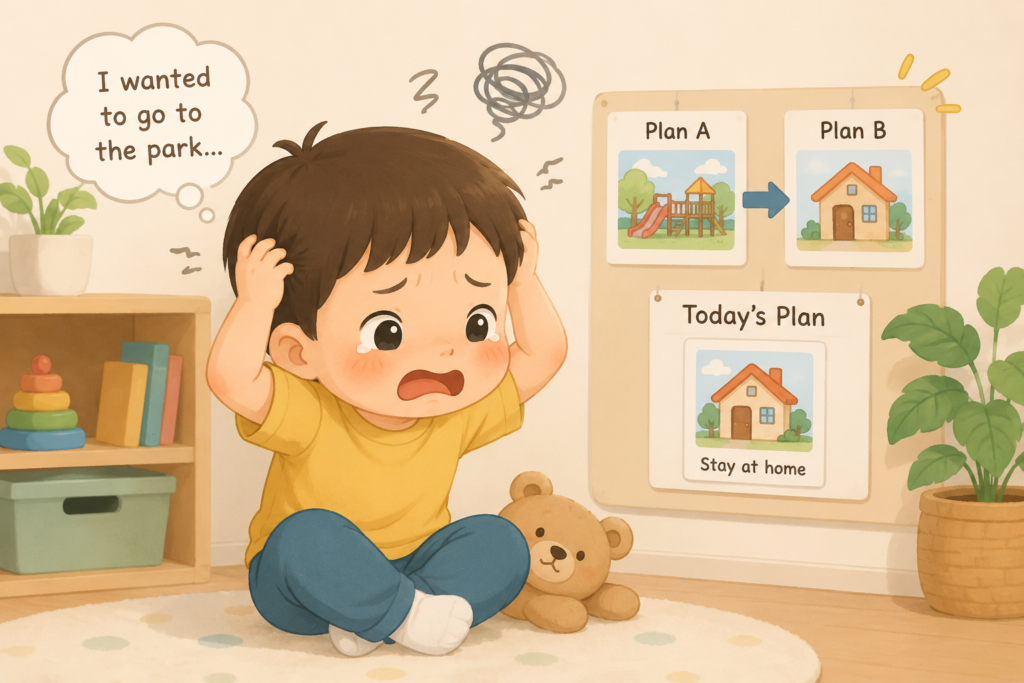
Children with autism may become distressed when routines change unexpectedly.
Examples include:
- Taking a different route home
- Changing bedtime routines
- Rearranging furniture
- Unexpected schedule changes
Predictability often helps them feel secure.
8. Unusual Sensory Reactions
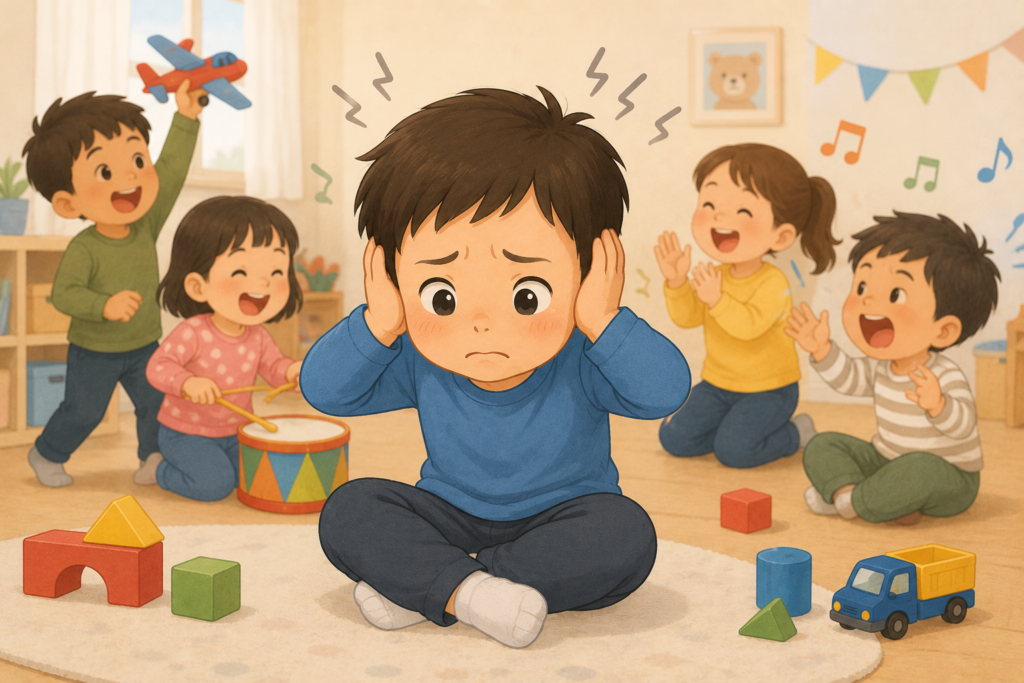
Some children may be extremely sensitive to:
- Loud noises
- Bright lights
- Certain clothing textures
- Food textures
- Strong smells
Others may actively seek sensory experiences by spinning, jumping, or touching different objects repeatedly.
9. Limited Pretend Play
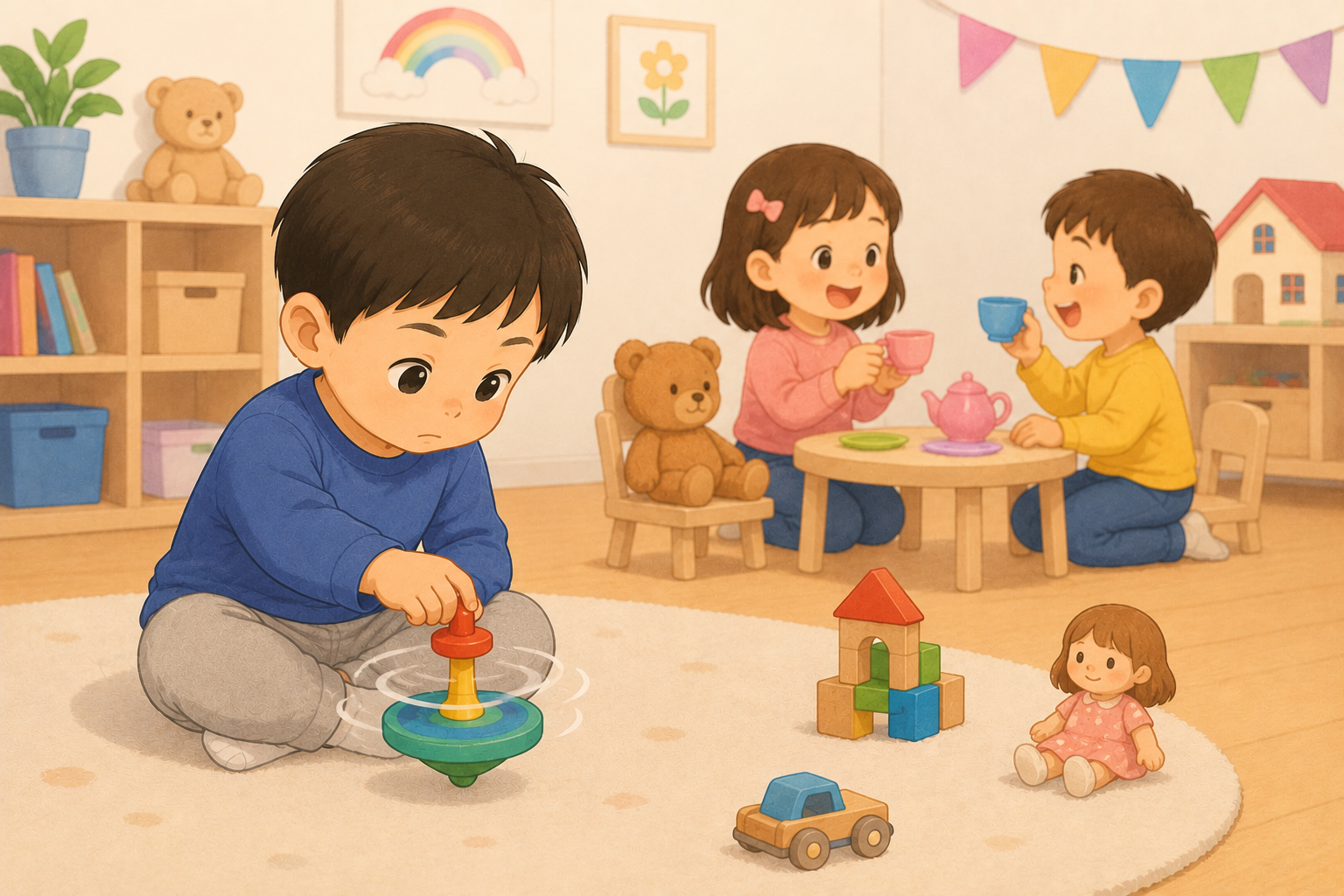
Around age 2, many children begin:
- Pretending to feed dolls
- Playing house
- Acting as doctors or teachers
Children with autism may instead:
- Focus on parts of toys
- Spin wheels repeatedly
- Line up toys rather than using them imaginatively
10. Difficulty Sharing Interests
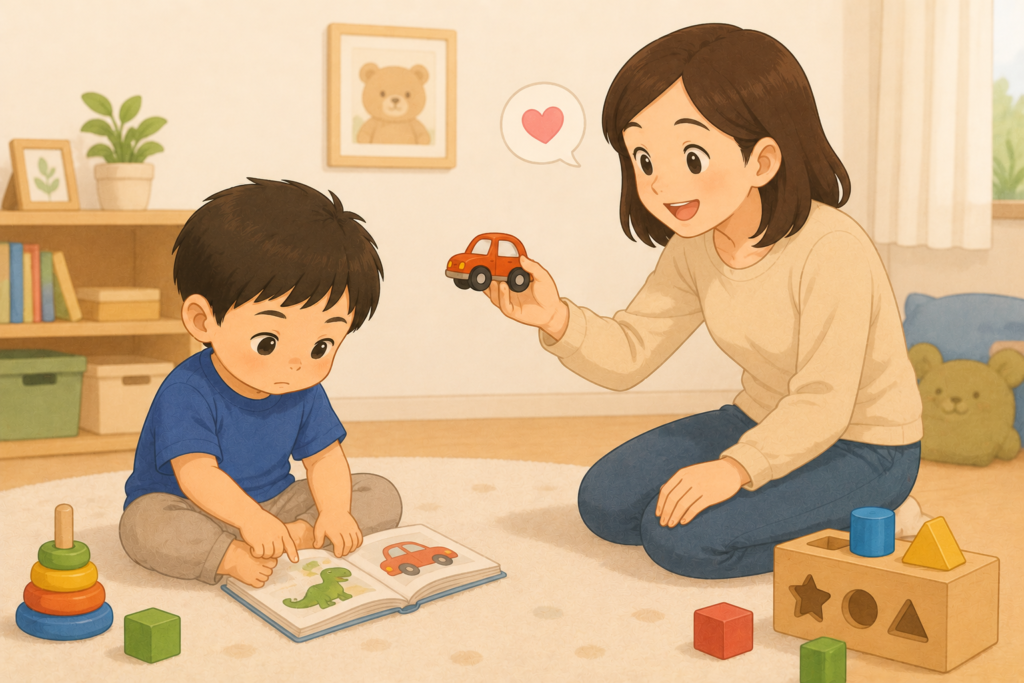
Young children naturally enjoy sharing experiences by:
- Showing toys
- Looking back at parents
- Bringing interesting objects to others
Children with autism may rarely seek to share enjoyment or draw others into their interests.
When Should Parents Seek Professional Advice?
Consider arranging a developmental assessment if your child:
❀ Shows several of these signs
❀ Has delayed speech and social communication
❀ Loses previously learned skills
❀ Rarely interacts with others
❀ Struggles with play or communication compared to peers
Remember, having one sign does not necessarily mean a child has autism. A comprehensive evaluation considers your child’s overall development rather than any single behaviour.
Key Takeaway
Early signs of autism can appear during the first few years of life, but every child develops differently.
If you notice persistent concerns about your child’s communication, social interaction, or behaviour, seeking professional advice can provide clarity and guidance.
Early identification is not about labelling children, it is about giving them the best opportunity to thrive.
🌟 Stay Connected with Us! We love sharing tips, insights, and inspiring stories about children’s growth and mental wellbeing.
💙 Follow us on Instagram and Facebook for more updates and parenting advice.
Join our community and let’s grow together. One positive step at a time!

References
American Psychiatric Association. (2022). Diagnostic and statistical manual of mental disorders (DSM-5-TR).
Psychiatry.org; American Psychiatric Association. https://www.psychiatry.org/psychiatrists/practice/dsm
Working Hours
Tuesday to Saturday – 8.30am to 6pm
Monday & Sunday – Closed
Please also subscribe us at
Contact Us
Discover Our Team!
📞+60102502833
firststepdevelopmentcentre@gmail.com
B1-7, Plaza Damas 3, Jalan Sri Hartamas 1, 50480 Kuala Lumpur.
Copyright 2025. Firststep Child Development Sdn Bhd. All rights reserved.