Child Behavioural Therapy: Understanding Behaviour and When to Seek Help
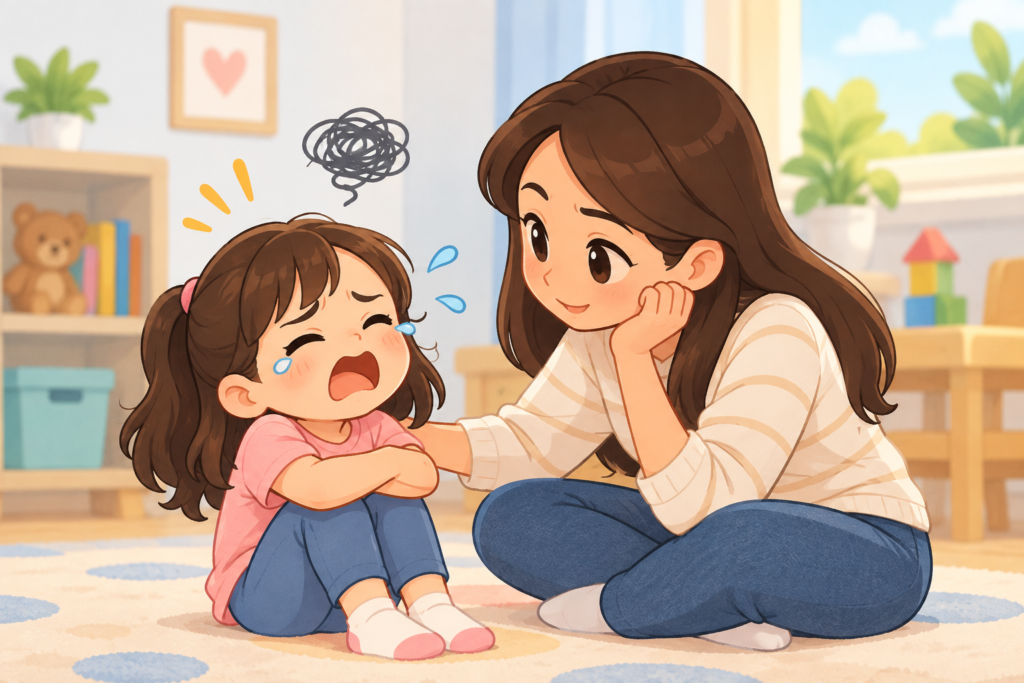
Does your child often have emotional outbursts, struggle with changes in routine, or become frustrated easily?
🌸 For some children, managing emotions and behavior can feel difficult. They may become upset during transitions, struggle to follow instructions, have difficulty communicating their needs, or find it hard to cope with frustration
Emotional difficulties are part of growing up. But when they become frequent or affect daily life, extra support may help
Understanding the behaviour is a good place to start !
What Is Child Behavioural Therapy?
Child behavioural therapy uses evidence-based strategies to help children develop skills and manage challenging behaviours
Depending on the child’s needs, therapy may help with:
1. Managing emotions and frustration
2. Following instructions and routines
3. Developing problem-solving skills
4. Improving communication and social skills
5. Learning positive behaviours
For younger children, parents and caregivers often take an active role in behavioural support!
1. Frequent Emotional Outbursts
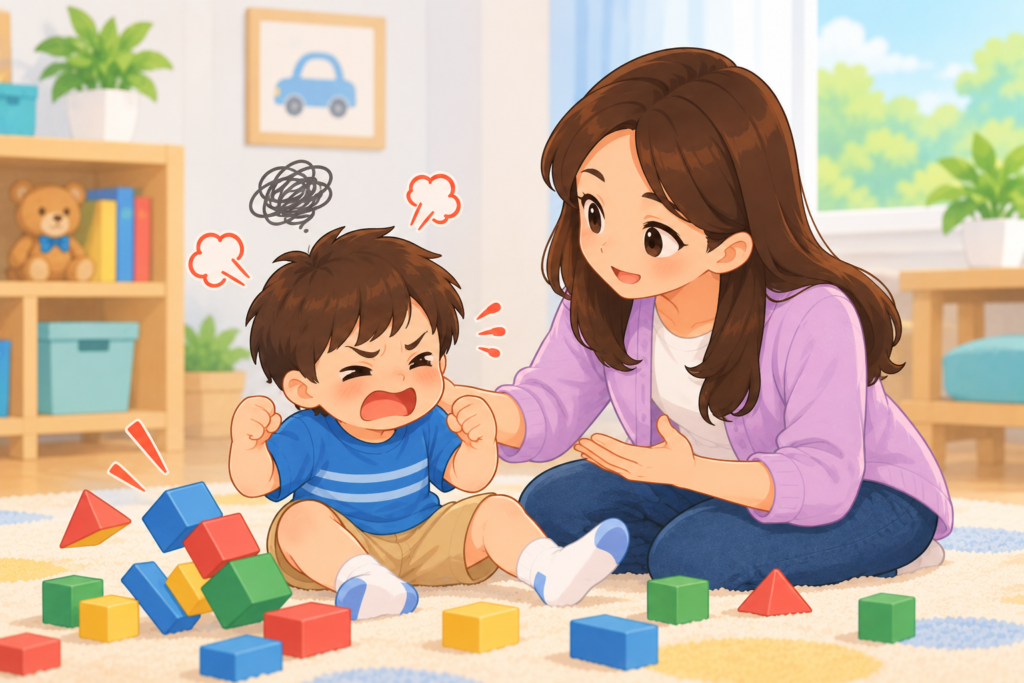
Does your child often cry, shout, or become very upset when frustrated?
- Emotional outbursts can happen as children learn to manage their feelings
- If they are frequent, intense, or interfere with daily life, consider seeking professional advice
2. Difficulty With Changes and Transitions
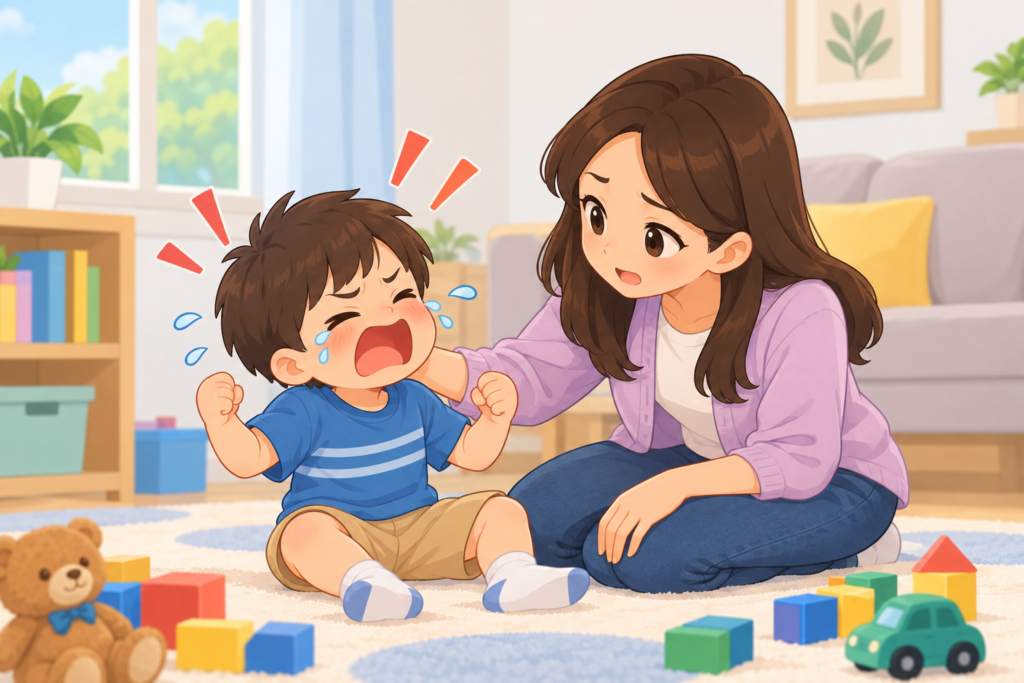
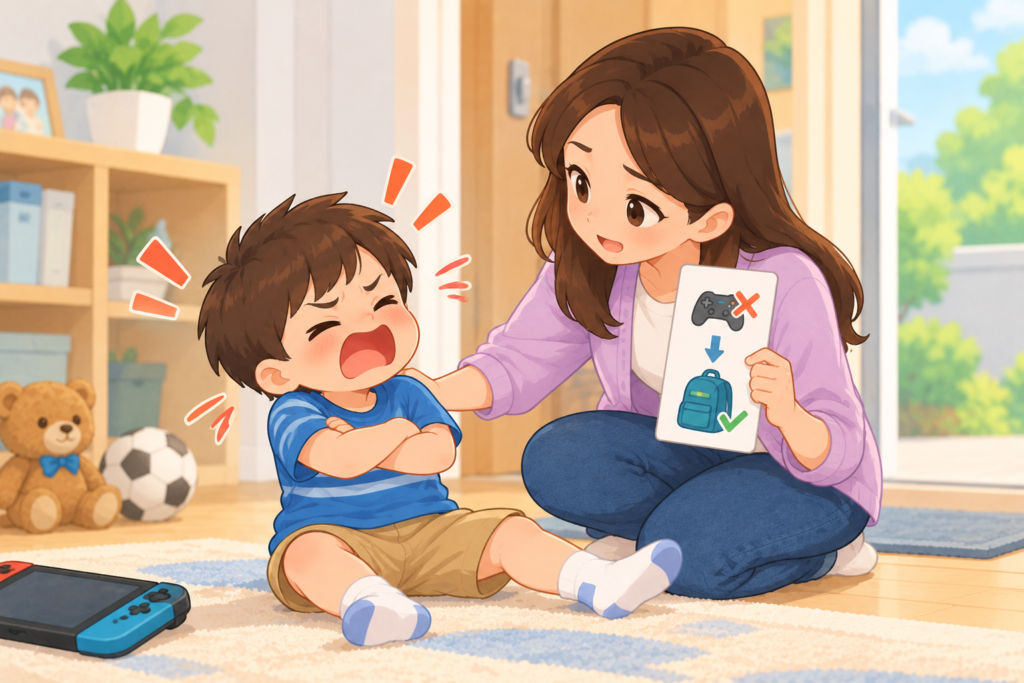
- Some children find it difficult to stop an activity, change routines, or cope with unexpected changes.
- Giving your child preparation and clear expectations may help them manage transitions.
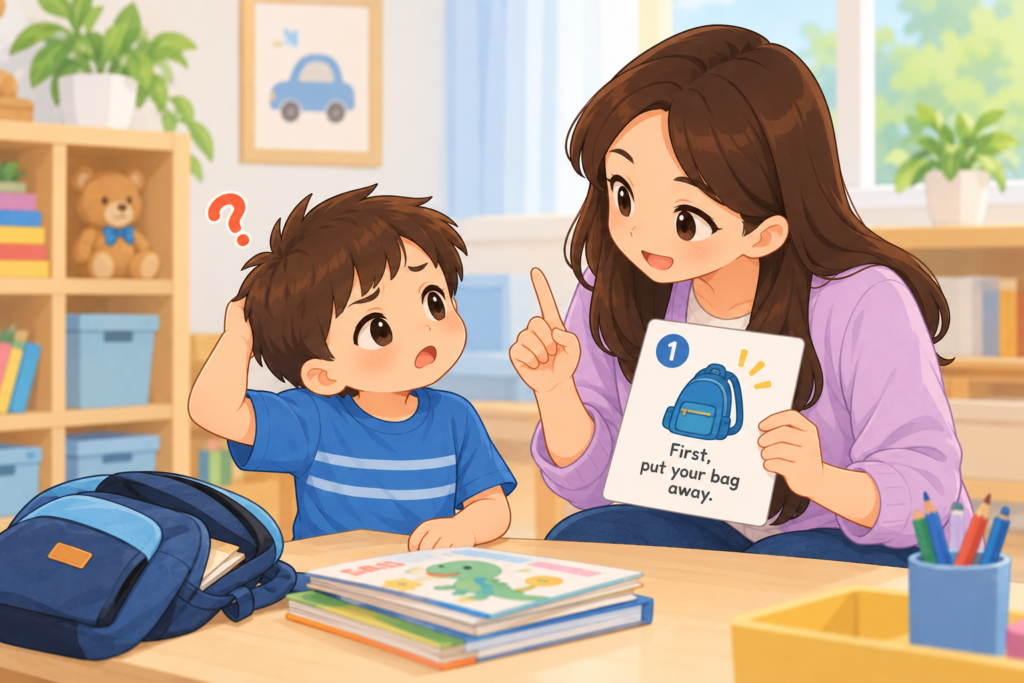
3. Difficulty Following Instructions
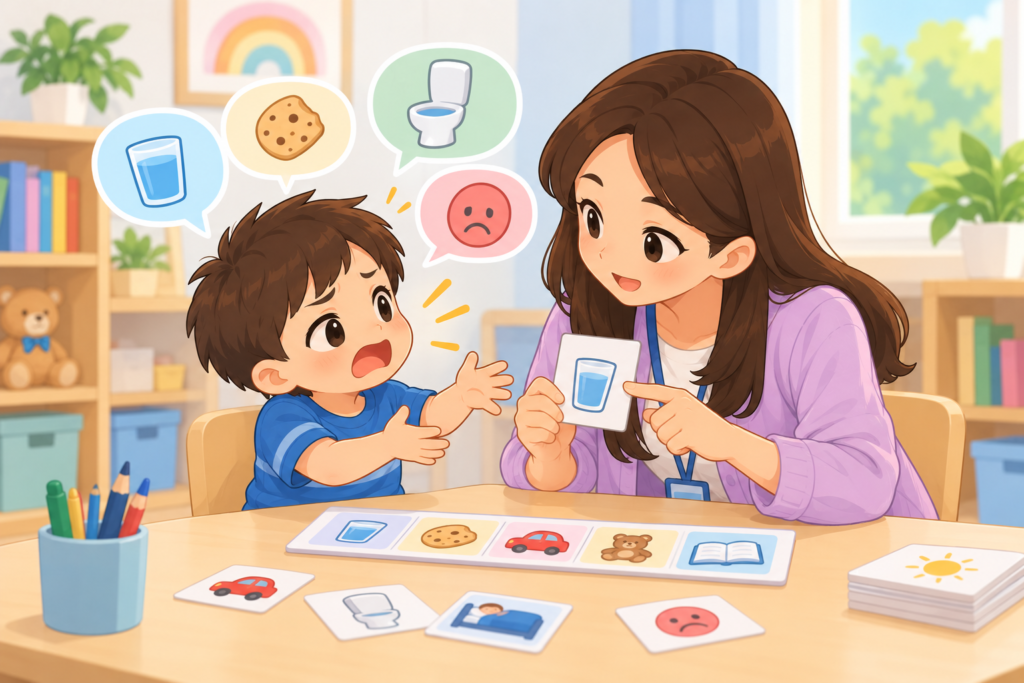
- Children may become frustrated when they have difficulty expressing what they want, need, or feel.
- Communication difficulties can sometimes occur alongside behavioural concerns, so looking at the child’s overall development can be helpful.
4. Difficulty Communicating Needs
Does your child often cry, shout, or become very upset when frustrated?
- Emotional outbursts can happen as children learn to manage their feelings
- If they are frequent, intense, or interfere with daily life, consider seeking professional advice
5. Difficulty Managing Frustration
Some children may find difficult to:
- Wait or take turns
- Handle disappointment
- Stop a preferred activity
- Solve problems when things go wrong
Children develop emotional regulation skills over time, and parents and caregivers can help them practise these skills
Every child develops at their own pace, and occasional behavioural difficulties are common. However, additional support may be worth exploring when your child’s behaviour:
Happens frequently or becomes increasingly intense
Affects daily routines, learning, or relationships
Makes it difficult for your child to participate in everyday activities
Continues despite consistent support at home
Causes significant distress for your child or family
A consultation can help you discuss your concerns and explore whether behavioral support, parent guidance, a developmental assessment, or another service may be appropriate.
You do not need to wait until the behaviour becomes severe to ask for guidance !
Parents can support behavioural development through small, consistent steps:
1. Establish predictable routines:
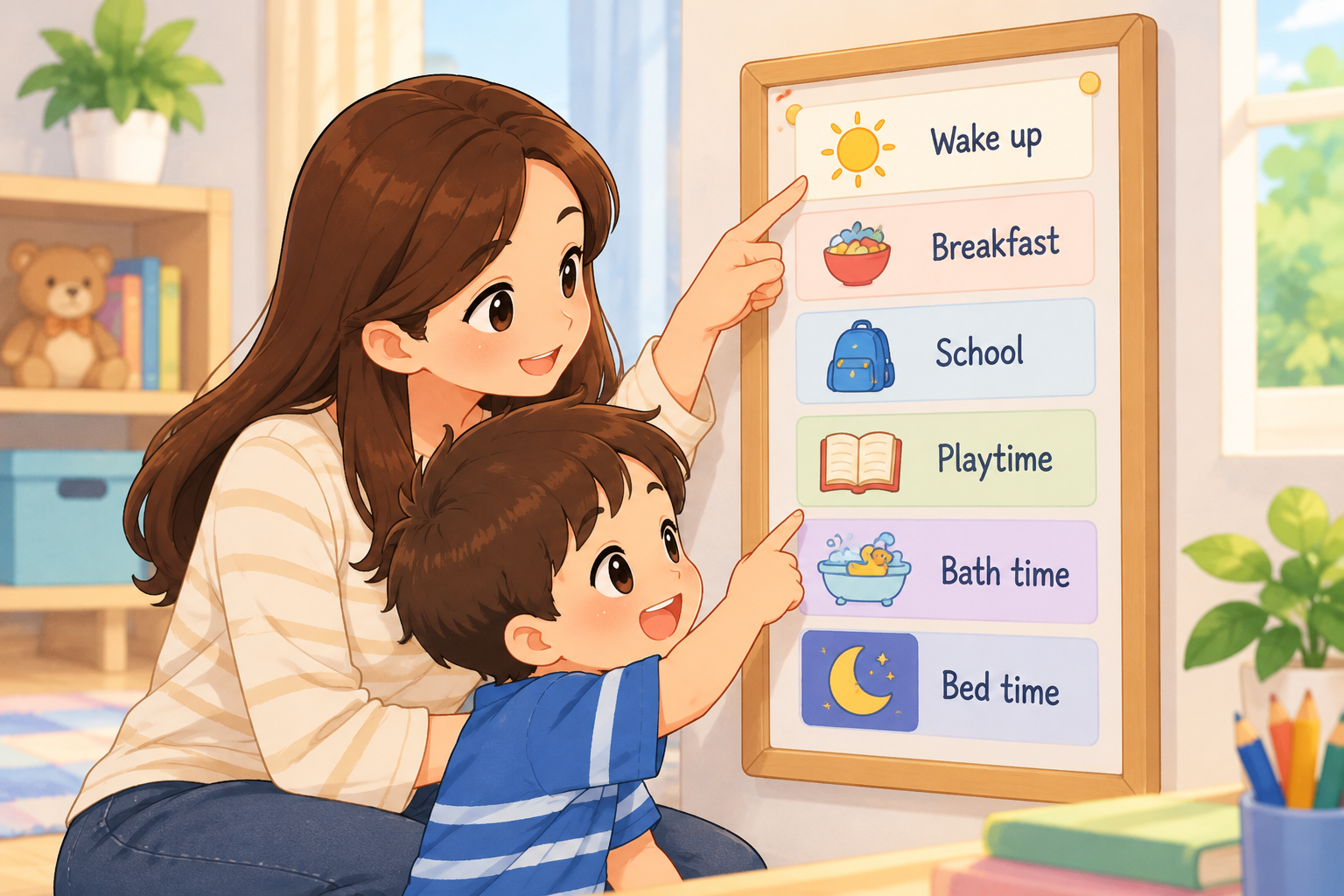
Children feel more comfortable when they know what to expect throughout the day rather than sudden changes or unexpected transitions.
What parents can do:
- Keep daily routines as consistent as possible
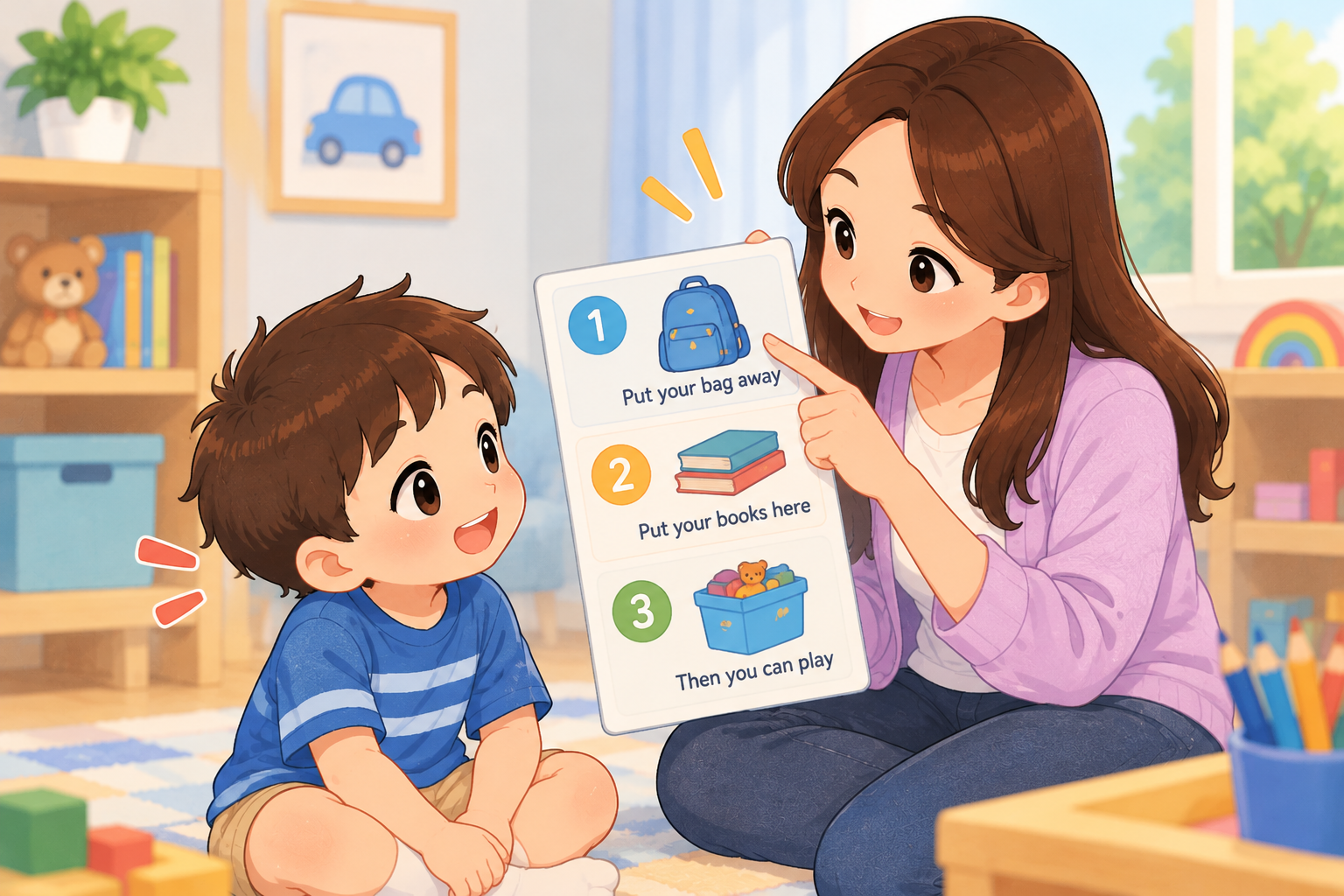
- Give advance warnings before changing activities, such as “Five more minutes, then it’s time to tidy up.”
- Use a visual schedule with pictures to help younger children understand what comes next.
2. Give clear instructions:
Long or complicated instructions can be difficult for some children to understand, remember or follow.
What parents can do:
- Give one instruction at a time when necessary
- Use simple, age-appropriate language
- Allow your child time to process and respond.
- Break larger tasks into smaller steps and acknowledge their efforts.
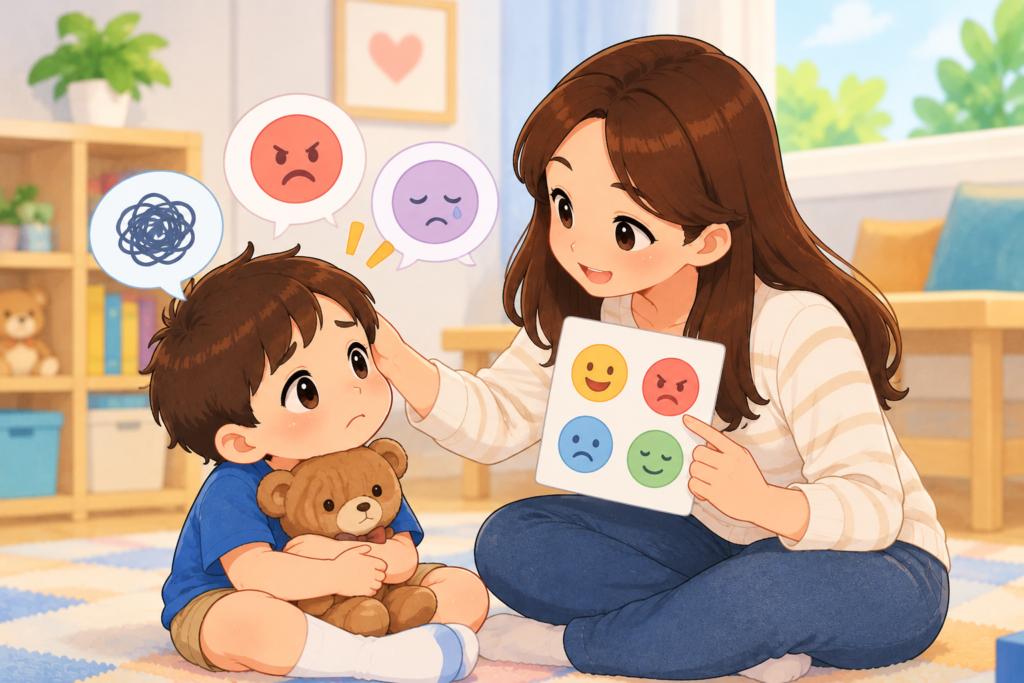
3. Acknowledge feelings:
Children are still learning to recognize and express emotions so they may cry, shout or struggle to explain what is wrong.
What parents can do:
- Acknowledge their feelings by saying, “I can see that you’re feeling upset”
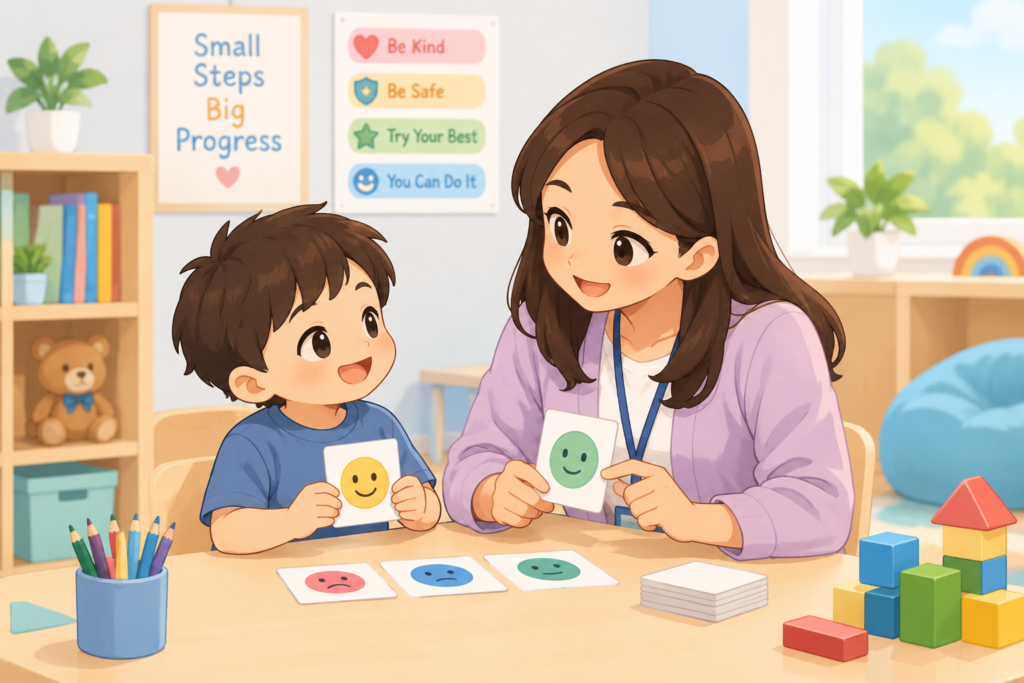
- Help them identify emotions using simple words, pictures or emotion cards
- Stay calm and offer reassurance while maintaining appropriate boundaries
- Talk about what happened once your child is calmer.
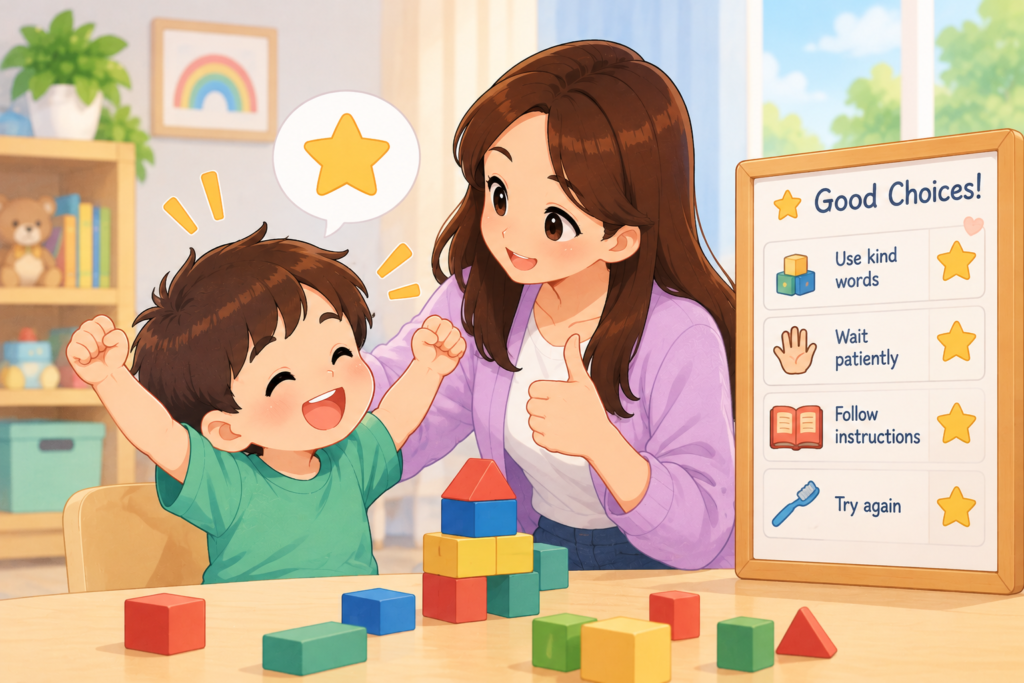
4. Encourage positive behaviour:
Children benefit from understanding which behaviours are helpful and what they can do differently in challenging situations.
What parents can do:
- Give specific praise when your child follows instructions, waits patiently or asks for help
- Recognise effort, not just successful outcomes
- Encourage small steps towards a goal
- Use simple reward charts when appropriate, focusing on achievable behaviours.
5. Stay calm and consistent:
Children learn by observing how adults respond to frustration, disappointment and unexpected changes.
What parents can do:
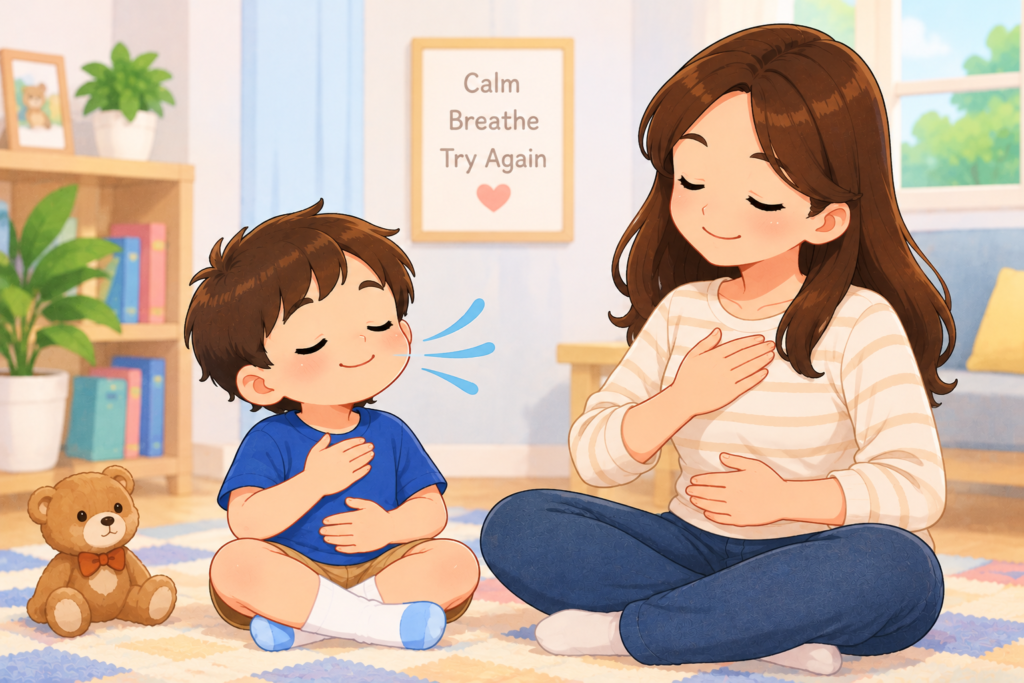
- Demonstrate simple calming strategies, such as slow breathing or taking a quiet break
- Help your child think of possible solutions when a problem occurs
- Practise these strategies during calm moments, rather than introducing them only during an outburst
- Maintain clear and consistent expectations while responding with patience.
🌟 Stay Connected with Us! We love sharing tips, insights, and inspiring stories about children’s growth and mental wellbeing.
💙 Follow us on Instagram and Facebook for more updates and parenting advice.
Join our community and let’s grow together. One positive step at a time!
References
World Health Organization. (2023). WHO guidelines on parenting interventions to prevent maltreatment and enhance parent–child relationships with children aged 0–17 years. https://www.who.int/publications/i/item/9789240065505
American Psychological Association. (n.d.). Children. https://www.apa.org/topics/children