7 Steps to Help Children Thrive  Beyond  Mental  Struggles

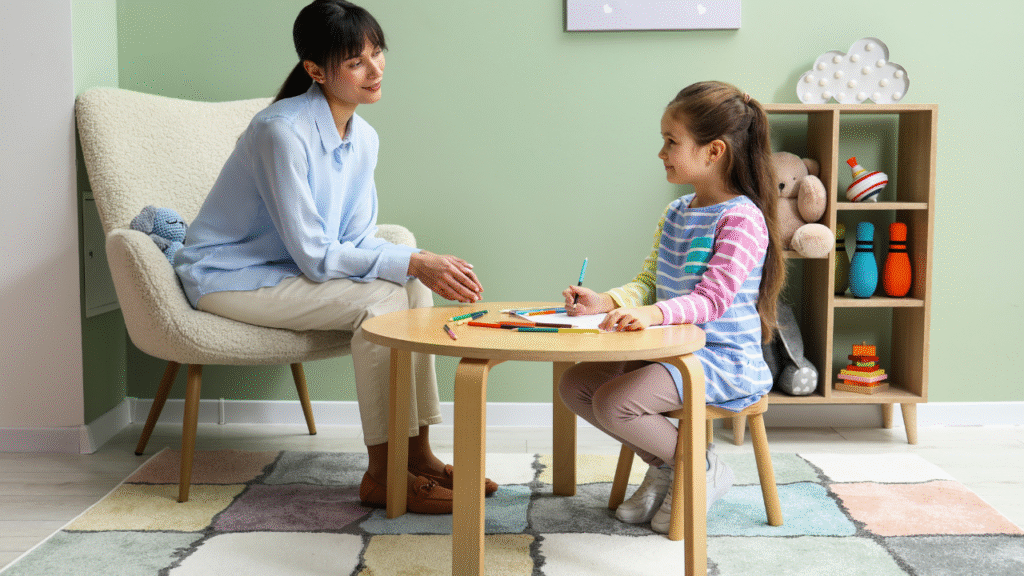
Children's play-based therapy and learning area.

In today’s fast-paced world, children are facing more emotional and psychological challenges than ever before. Academic pressures, family stress, digital exposure, and social expectations can all impact a child’s mental health. Many parents and caregivers worry when they notice changes in their child’s behavior, such as sadness, anger, or withdrawal. However, it’s important to know that mental health challenges in children can be managed and even overcome with the right understanding, support, and early intervention.

Children's play-based therapy and learning area.

1. Recognize the Early Signs

The first step to helping a child overcome mental health difficulties is recognizing the early signs. Children may not always express how they feel in words, but their behavior often gives clues. Some common signs include:

  • Frequent sadness or tearfulness

  • Irritability, anger, or aggression

  • Withdrawal from friends or activities they used to enjoy

  • Changes in appetite or sleep

  • Difficulty concentrating in school

  • Physical complaints such as headaches or stomach aches without clear cause

If these signs persist for more than a few weeks, it may indicate that your child needs extra emotional support or professional help.

2. Create a Safe and Supportive Environment

Children need to feel safe and loved to express their emotions openly. A supportive environment starts at home, where they can talk about their feelings without fear of judgment. Listening is key instead of immediately trying to “fix” the problem, give your child space to share what’s bothering them.
Simple actions like spending quality time together, maintaining daily routines, and offering reassurance can help children feel secure and valued. Encourage open communication by letting them know that all feelings even sadness or anger are normal and acceptable.

One-on-one child therapy session at Firststep Psychology.
Children's play-based therapy and learning area.

3. Build Emotional Awareness

Helping children identify and understand their emotions builds resilience. Teach them to label their feelings: “I feel sad,” “I’m scared,” or “I’m frustrated.” When children can name what they feel, they’re better able to manage it.
You can introduce emotional tools like drawing, journaling, or storytelling to help them express themselves. Books and role-play activities are also effective ways for younger children to learn about emotions and coping strategies.

4. Encourage Healthy Lifestyle Habits

Mental and physical health are closely connected. Regular exercise, a balanced diet, and enough sleep are essential for a child’s emotional wellbeing.

  • Exercise helps release endorphins, the body’s natural mood boosters. Activities like cycling, dancing, or even walking can help reduce anxiety and stress.

  • Nutrition plays a big role too, foods rich in omega-3, fruits, and vegetables can support brain health.

  • Sleep is often overlooked but vital. Lack of sleep can make children irritable, anxious, and unfocused.

Encouraging outdoor play and limiting screen time also supports a calmer and more balanced mindset.

Children's play-based therapy and learning area.

5. Foster Positive Relationships

Children thrive when they have strong, positive relationships not just with parents, but also with friends, teachers, and other family members. Encourage social connections and teamwork through playdates, sports, or creative group activities.
Positive interactions build a child’s confidence, empathy, and sense of belonging. When they know they are loved and supported by people around them, they develop greater emotional stability.

6. Model Healthy Coping Skills

Children learn by observing adults. If they see you handling stress calmly, they are more likely to do the same. Show them positive ways to cope such as taking deep breaths, talking about problems, or finding solutions together. Avoid reacting with anger or frustration, as children often mirror the emotional patterns of their caregivers.
You can also practice mindfulness or relaxation techniques together, like deep breathing, yoga, or guided imagery. These help both you and your child build emotional control and resilience.

One-on-one child therapy session at Firststep Psychology.
Children's play-based therapy and learning area.

7. Encourage Growth and Celebrate Progress

Recovery and emotional growth take time. Celebrate small improvements, whether it’s your child opening up about their feelings or showing more interest in school again. Acknowledging these efforts builds their motivation and confidence.
Remind them that having challenges doesn’t define who they are; it’s part of learning and growing. With love, patience, and consistent support, every child can overcome mental health challenges and thrive.

8. Seek Professional Help When Needed

Sometimes, despite your best efforts, your child may continue to struggle. There is no shame in seeking help from a mental health professional such as a child psychologist, counselor, or therapist. Early intervention can make a big difference in helping children manage their emotions and prevent problems from worsening.
Therapy sessions provide a safe space for children to explore their thoughts, develop coping strategies, and rebuild self-esteem. Parents may also benefit from guidance on how to support their child more effectively.

One-on-one child therapy session at Firststep Psychology.

🌟 Stay Connected with Us! We love sharing tips, insights, and inspiring stories about children’s growth and mental wellbeing. 💙 Follow us on Instagram and Facebook for more updates and parenting advice.

Join our community and let’s grow together. One positive step at a time!

Informational graphic about child psychology services at Firststep.

Working Hours

Tuesday to Saturday – 10am to 6pm

Monday & Sunday – Closed

Contact Us

 +60102502833

firststepdevelopmentcentre@gmail.com

 B1-7, Plaza Damas 3, Jalan Sri Hartamas 1, 50480 Kuala Lumpur.

Copyright 2025. Firststep Child Development Sdn Bhd. All rights reserved.