


Special Needs Education: An Introduction
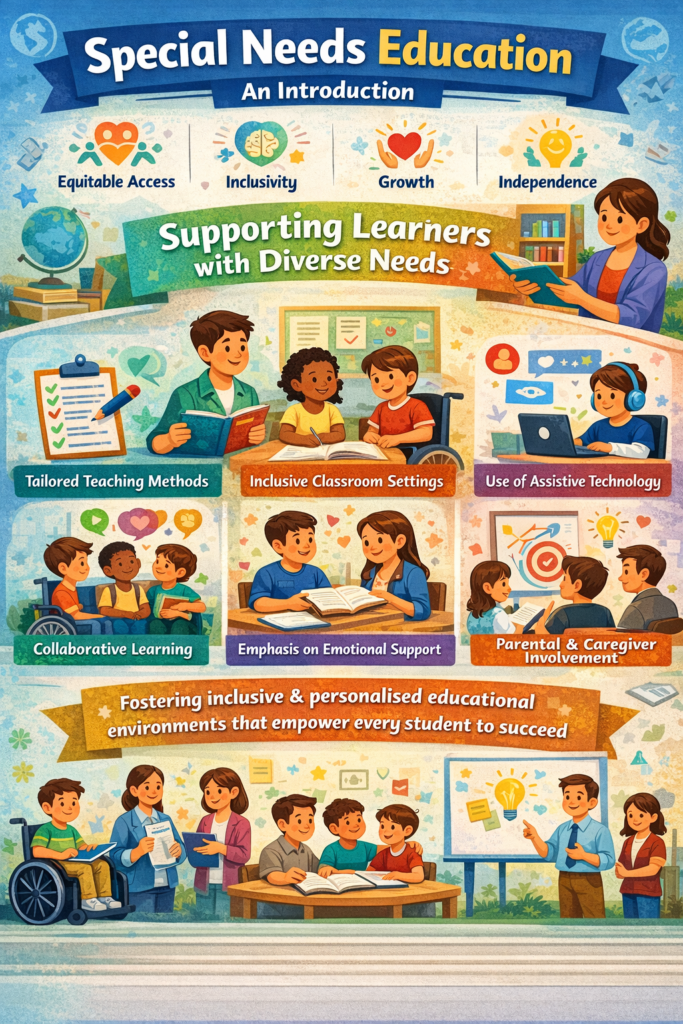
Special needs education is a vital field dedicated to supporting individuals with diverse learning requirements, ensuring they receive equitable access to education and opportunities for personal growth. With a growing awareness of inclusivity, educators and caregivers are increasingly adopting tailored strategies that address the unique challenges faced by students with disabilities or learning differences.
This introduction explores. seven key approaches That have proven effective in fostering success within special needs education. These approaches not only enhance academic achievement but also promote social development, emotional well-being, and independence. They include:.
- Tailored Teaching Methods
- Inclusive Classroom Settings
- Use of Assistive Technology
- Collaborative Learning
- Emphasis on Emotional Support
- Parental and Caregiver Involvement
- Ongoing Professional Development for Educators
By understanding and implementing these methods, educators can create more inclusive and supportive learning environments that celebrate diversity and empower every student to reach their full potential. This overview serves as a foundation for appreciating the critical role of specialised teaching techniques and collaborative efforts in the ongoing evolution of special needs education.
Individualised Education Plans (IEPs)
Purpose and Development of IEPs.
Individualised Education Plans (IEPs) are vital documents designed to support students with special educational needs and disabilities (SEND). Their primary purpose is to provide a structured and personalised educational framework that addresses the unique learning requirements of each pupil. The development of an IEP is a collaborative process involving:.
- Teachers
- Special educational needs coordinators (SENCOs)
- Parents or carers
- External professionals such as educational psychologists
- Often the students themselves
This teamwork ensures a well-rounded understanding of the child’s strengths, challenges, and aspirations.
The process begins with comprehensive assessments which may include:.
- Observations
- Formal testing
- Consultations with relevant professionals
These assessments help identify specific areas where the student requires additional support or adjustments. Following this, the team sets. clear, measurable, and achievable targets Tailored to the individual’s needs. These targets are designed not only to support academic achievement but also to promote social, emotional, and behavioural development, recognising the holistic nature of education.
IEPs also establish the strategies, resources, and support services required to meet these goals, such as:.
| Support Type | Examples |
|---|---|
| Specialised teaching | Tailored instructional approaches |
| Assistive technology | Text-to-speech software, communication aids |
| Intervention programmes | Speech therapy, behavioural support |
Importantly, the plan includes a timeline for progress reviews, ensuring that the child’s development is closely monitored and that any necessary changes can be made promptly to maintain effectiveness.
Tailoring Learning to Individual Needs.
The essence of an IEP lies in its ability to personalise learning experiences, recognising that every student has a unique profile of abilities and challenges. Tailoring learning involves adjusting:.
- Curriculum content
- Teaching styles
- Assessment methods
For example:.
- A student with dyslexia may benefit from multi-sensory learning techniques and access to text-to-speech software .
- A child with physical disabilities may require adapted physical education or assistive devices to participate fully.
IEPs support inclusivity by ensuring that adaptations are made within mainstream classrooms whenever possible, fostering a sense of belonging and participation. These adaptations might include:.
- Differentiated instruction
- Smaller group work
- Additional adult support
Beyond academic adjustments, IEPs often address social and emotional needs by incorporating strategies to improve:.
- Communication
- Self-regulation
- Peer interactions
Moreover, the IEP is a. dynamic document , subject to regular reviews and updates to reflect the student’s evolving needs and progress. This ongoing evaluation allows for:.
- Introduction of new goals or resources
- Removal of supports that are no longer necessary
Ensuring that the educational approach remains relevant and effective.
In summary , IEPs are an indispensable tool in the education system, championing personalised learning that empowers students with SEND to achieve their full potential. By carefully assessing individual needs and providing targeted support, IEPs contribute significantly to creating an inclusive, equitable, and supportive learning environment.
Inclusive Classroom Practices
Creating Supportive and Accessible Learning Environments
The foundation of an inclusive classroom lies in establishing a supportive and accessible learning environment that caters to the diverse needs of all students. This involves a deliberate design of both physical space and instructional materials to ensure that every learner, regardless of their abilities or backgrounds, can engage fully and confidently.
Key strategies include:.
- Arranging classroom furniture to provide clear pathways for students using mobility aids.
- Ensuring resources are available in various formats such as braille, large print, audio, and digital versions compatible with assistive technologies.
- Integrating Universal Design for Learning (UDL) principles, which encourage multiple means of engagement, representation, and expression to accommodate different learning styles and preferences.
Beyond physical adjustments, fostering an emotionally supportive atmosphere is equally important. Educators must cultivate a classroom culture that values respect, empathy, and open communication. This can be achieved through:.
- Establishing clear behavioural expectations.
- Promoting positive reinforcement.
- Encouraging students to express their thoughts and feelings without fear of judgement.
- Implementing regular reflection activities and social-emotional learning (SEL) programmes to develop self-awareness and interpersonal skills.
Cultural inclusivity Is also vital. Teachers should:.
- Incorporate diverse perspectives and materials into the curriculum.
- Recognise and celebrate students’ cultural identities.
This approach helps all learners feel seen and respected, creating a sense of belonging essential for academic and social success.
Encouraging Peer Interaction and Collaboration
Promoting meaningful peer interaction and collaboration is a cornerstone of inclusive education, nurturing social skills, empathy, and mutual respect among students.
Effective methods include:.
- Structured group work, paired activities, and cooperative projects designed to ensure equitable participation.
- Assigning roles that reflect students’ strengths and providing support to boost confidence and competence.
- Modelling effective communication and conflict resolution strategies.
- Encouraging appreciation of diverse viewpoints.
- Creating opportunities for peer tutoring and mentoring to support academic and emotional growth.
Collaborative learning experiences:.
- Help break down social barriers.
- Reduce feelings of isolation.
- Foster a classroom community where every student feels valued.
Inclusive extracurricular activities And group discussions focusing on shared interests can further strengthen these connections.
Summary Table: Key Aspects of Inclusive Classroom Practices
| Aspect | Description | Examples |
|---|---|---|
| Physical Accessibility | Designing space and materials for all abilities | Clear pathways, braille materials, assistive tech |
| Emotional Support | Creating a respectful and empathetic environment | SEL programmes, positive reinforcement |
| Cultural Inclusivity | Incorporating diverse perspectives and celebrating cultural identities | Diverse curriculum content, cultural celebrations |
| Peer Interaction & Collaboration | Promoting social skills through cooperative learning and peer support | Group work, peer mentoring, conflict resolution |
Ultimately, combining accessible learning environments with purposeful peer collaboration empowers all students to thrive academically, socially, and emotionally, preparing them for a diverse and interconnected world.
Use of Assistive Technology
assistive technology Has become an indispensable resource for promoting. inclusivity And. accessibility . These technologies are designed to empower individuals with disabilities or impairments by removing barriers and enabling fuller participation in everyday activities, education, employment, and social interactions.
Types of Assistive Tools and Devices
Assistive technology spans a vast array of tools and devices tailored to meet diverse needs. Among the most common are:.
- Screen readers (e.g., JAWS, NVDA): Convert on-screen text into synthesized speech or Braille output, aiding those with visual impairments.
- Speech recognition software (e.g., Dragon NaturallySpeaking): Allows users to control computers and dictate text using voice commands, offering independence to individuals with mobility difficulties or repetitive strain injuries.
- Alternative input devices: Specialised ergonomic keyboards, eye-tracking systems, sip-and-puff controllers, and switch interfaces accommodate users with limited motor skills.
- Hearing aids and cochlear implants: Improve auditory perception.
- Captioning, subtitles, and audio description services: Enhance access to multimedia content for those with hearing loss.
- Communication aids: Speech-generating devices and communication boards support individuals with speech impairments, facilitating clearer interaction.
- Emerging technologies: Wearable devices and smart home systems promote independence and safety in daily living.
Enhancing Accessibility and Engagement through Technology
The implementation of assistive technologies has a profound impact on accessibility, enabling users to overcome physical, sensory, and cognitive challenges. Key benefits include:.
- Education: Enables students with disabilities to access learning materials, participate in virtual classrooms, and collaborate effectively.
- Workplace: Supports employees by adapting environments to their needs, improving productivity and job satisfaction.
- Social interaction: Facilitates communication, access to entertainment, and community connection, reducing feelings of isolation.
Moreover, assistive technology promotes empowerment and autonomy, helping bridge the digital divide by ensuring equal opportunities for all. With ongoing innovation, including integration of. artificial intelligence And. machine learning , assistive devices are becoming more personalised and adaptive, further enhancing quality of life.
In summary , assistive technology is a vital enabler of inclusion, breaking down barriers and creating an environment where everyone can participate fully and confidently in all aspects of life.
Collaborative Teaching and Support
In contemporary education,. collaborative teaching and support Form the cornerstone of effective learning environments, particularly for students with diverse and additional needs. The role of special educators and support staff is crucial in this framework.
Role of Special Educators
Special educators possess specialised training that enables them to:.
- Identify learning difficulties
- Design personalised educational plans
- Adapt teaching methods to meet individual student requirements
Their expertise ensures that students who might otherwise struggle are provided with the necessary tools and strategies to succeed.
Support Staff and Their Contributions
Support staff include:.
- Teaching assistants
- Learning mentors
- Speech and language therapists
- Occupational therapists
They work alongside special educators to enrich the educational experience. For example:.
- Teaching assistants provide one-on-one or small group support, helping to reinforce learning objectives and manage classroom dynamics.
- Therapists address specific developmental or communication challenges, ensuring interventions are integrated into the daily school routine.
This multi-disciplinary approach is vital in creating an inclusive environment where all students feel valued and supported.
Teamwork Among Teachers, Parents, and Specialists
Collaboration is equally essential among the following groups:.
| Group | Role and Contribution |
|---|---|
| Teachers | Implement tailored strategies and monitor student progress |
| Parents | Provide consistent support and participate in learning |
| Specialists | Offer assessments and recommend interventions |
Regular communication—through meetings, reports, or informal conversations—helps keep parents informed and actively involved.
Role of Specialists
Specialists such as:.
- Educational psychologists
- Behavioural therapists
- Speech and language experts
Provide deeper insights into a student’s unique needs by:.
- Conducting assessments
- Recommending interventions
- Supporting teachers and parents in applying effective techniques
This tripartite collaboration ensures a holistic approach, addressing academic, emotional, and social development.
Professional Development and School Culture
Schools that foster a culture of collaboration often implement. professional development programmes Which:.
- Encourage staff to share best practices
- Keep educators updated on the latest research in special education
Such initiatives strengthen the collective capacity to support students effectively.
Summary
Collaborative teaching and support represent a dynamic partnership among special educators, support staff, teachers, parents, and specialists. This integrated approach:.
- Enhances educational outcomes
- Promotes wellbeing and inclusivity
- Ensures every learner has the opportunity to reach their full potential
Behavioural and Emotional Support Strategies
Understanding and Addressing Emotional Needs
Recognising and responding to an individual’s emotional needs is a cornerstone of effective behavioural and emotional support. Emotional needs often underlie the behaviours individuals display, and these needs may include:.
- Feelings of safety
- Belonging
- Self-esteem
- Recognition
By observing behavioural cues and listening attentively, carers and professionals can identify signs of distress such as. withdrawal ,. aggression , or. anxiety . It is essential to foster an environment where individuals feel secure enough to express their emotions openly and honestly, without fear of judgement or reprisal.
Techniques to support emotional expression include:.
- Active listening
- Empathetic engagement
- Validation of feelings
Moreover, understanding the context — such as recent changes, trauma, or ongoing stressors — can provide valuable insights into the root causes of emotional difficulties. Tailored interventions that address these specific needs can significantly improve emotional regulation and overall well-being.
Encouraging self-awareness and emotional literacy Empowers individuals to recognise and articulate their feelings, further enhancing their ability to cope with emotional challenges constructively.
Implementing Positive Behavioural Interventions
Positive Behavioural Interventions (PBIs) are essential in promoting desirable behaviours and reducing challenging ones by focusing on. reinforcement And. environmental modifications Rather than punishment.
Key steps in PBIs include:.
- Functional assessment
- Identify triggers and antecedents leading to problematic behaviours.
- Environmental modification
- Reduce overstimulation.
- Provide clear and consistent routines offering predictability and security.
- Consistency
- Ensure uniform application of strategies across caregivers and settings.
- Positive reinforcement
- Use praise, rewards, and other positive reinforcement techniques to encourage desired behaviours.
- Teaching alternative behaviours
- Equip individuals with healthier ways to meet their needs.
PBIs also focus on developing:.
- Coping mechanisms
- Social skills
- Problem-solving abilities
These developments reduce the likelihood of challenging behaviours and support emotional resilience.
Benefits of Positive Behavioural Strategies:.
| Benefit | Description |
|---|---|
| Respectful relationships | Foster collaborative trust between individual and carers |
| Enhanced motivation | Positive reinforcement increases engagement |
| Improved self-esteem | Encourages autonomy and confidence |
| Long-term emotional health | Supports sustained behavioural and emotional well-being |
Over time, these interventions contribute to. improved self-esteem, autonomy, and long-term emotional and behavioural health .
Family and Community Engagement
The role of family involvement in education cannot be overstated. When families actively engage with their child’s learning, it creates a foundation for. academic success And. personal growth . Research consistently shows that children whose parents or guardians participate in their education tend to:.
- Achieve higher grades
- Exhibit better attendance records
- Demonstrate enhanced social skills
This involvement goes beyond mere supervision of homework; it encompasses:.
- Attending parent-teacher meetings
- Volunteering at school events
- Collaborating with educators to support tailored learning strategies
Moreover, family engagement fosters a positive attitude towards school, encouraging children to value education and persist through challenges.
Inclusivity in Family Engagement
Importantly, family involvement is not limited to traditional nuclear families. Extended family members, guardians, and carers all play crucial roles in supporting a child’s educational journey. Schools that actively reach out to diverse family structures help build a more inclusive environment where every child’s learning needs are recognised and supported.
Key elements for effective family engagement include:.
- Regular communication and updates
- Accessible meetings
- Culturally responsive engagement strategies
These ensure that families feel valued and empowered to contribute.
Community Support Networks
Building strong community support networks complements family engagement by providing a broader safety net for learners. Communities can offer invaluable resources that schools alone may not be able to provide. Examples include:.
| Community Resource | Educational Benefit |
|---|---|
| Local businesses | Work experience placements, sponsorships |
| Community organisations | Mentoring schemes, youth clubs, extracurricular activities |
| Health and social services | Counselling, financial aid, health support |
Community support also helps address barriers to learning by connecting families with relevant services. Schools that collaborate with civic leaders and grassroots organisations create a comprehensive support system nurturing students’ well-being alongside academic achievement.
Synergy Between Family and Community Engagement
The synergy between family engagement and community support is vital for fostering resilient and well-rounded students. When families and communities work hand in hand with schools, they cultivate environments where children feel:.
- Supported
- Motivated
- Equipped to succeed
This holistic approach recognises that education is not confined to the classroom but is a. shared responsibility That thrives through collaboration and mutual commitment.
Continuous Professional Development for Educators
In the dynamic landscape of education,. Continuous Professional Development (CPD) Remains a cornerstone for educators, especially those dedicated to special needs education. The field is constantly evolving, with new research findings, pedagogical strategies, and technological tools emerging regularly. For educators, keeping pace with these developments through ongoing training is crucial to provide the most effective and inclusive education possible.
Key Focus Areas of CPD for Special Needs Educators
- Latest Special Needs Education Practices
- Practical, evidence-based strategies beyond theoretical frameworks
- Differentiated instruction techniques
- Assistive technologies
- Inclusive classroom management approaches
- Application of Individualised Education Plans (IEPs).
- Interdisciplinary Collaboration.
- Working with speech therapists, occupational therapists, psychologists, and families
- Strategies for effective communication and teamwork
- Creating cohesive support networks.
- Reflective and Adaptive Teaching Practices.
- Reflective teaching: critical analysis of instructional methods, classroom dynamics, and student interactions
- Tools: reflective journaling, peer observations, feedback sessions
- Adaptive teaching: flexibility in pedagogical approaches to meet diverse learning styles and challenges
Benefits of CPD
| Aspect | Description |
|---|---|
| Reflective Practice | Promotes self-awareness and proactive improvement |
| Adaptive Teaching | Modifies lesson plans and assessments to suit evolving student needs |
| Lifelong Learning Mindset | Encourages ongoing professional growth, not a one-time event |
| Enhanced Collaboration | Builds effective teamwork across disciplines and families |
Why CPD Matters
CPD nurtures a culture of lifelong learning among educators, instilling the understanding that professional development is a continual journey. This mindset is particularly vital in special needs education, where emerging research and societal changes constantly redefine best practices.
In summary , Continuous Professional Development is indispensable for educators working with special needs students. Through comprehensive training on cutting-edge educational practices and the cultivation of reflective, adaptive teaching, CPD enhances educators’ capabilities. This directly benefits learners by creating inclusive, supportive, and effective educational experiences that empower every student to reach their full potential.
Conclusion
Special needs education requires a thoughtful, inclusive, and personalised approach to ensure every learner can thrive. By embracing key strategies such as:.
- Differentiated instruction
- Collaborative teamwork
- Assistive technologies
- Fostering a supportive environment
Educators and caregivers can create meaningful opportunities for success.
Ultimately, the goal is to. empower individuals with special needs to reach their full potential , celebrating their unique strengths while addressing their challenges with compassion and expertise.
Through continued commitment and innovation, special needs education can truly transform lives and promote equality in learning.